
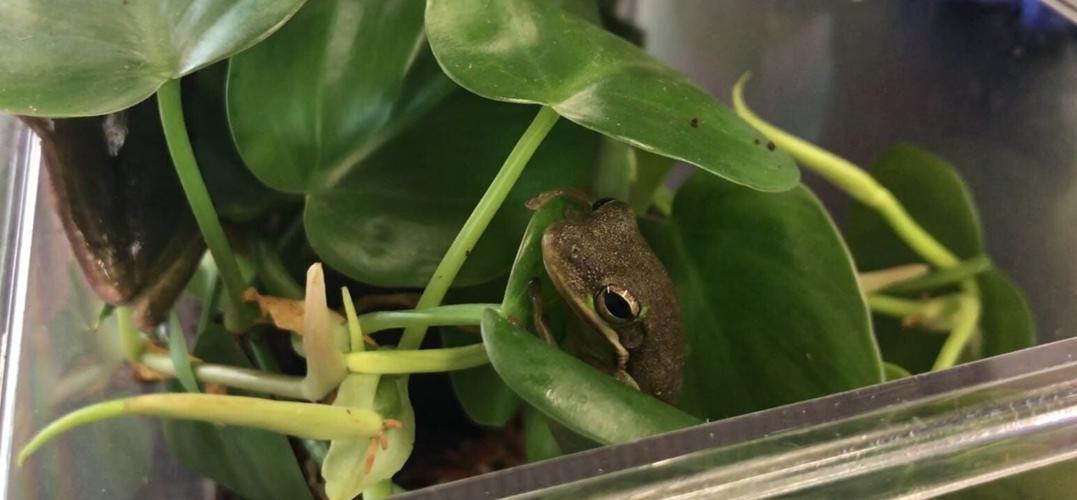
CHESTERTOWN, Md.- Scientist Norman Greenhawk is no stranger to amphibians and reptiles.
"Ever since I was a little kid, it was always the same thing, chase and catch the frogs, the toads and the snakes," he added.
Now he's using his passion to connect Delmarva to Puerto Rico, and the Philippines.

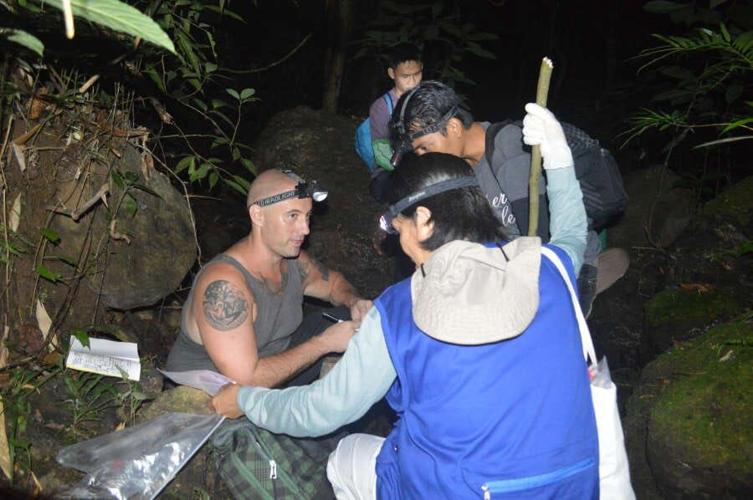
Field work collecting frogs for Project Palaka
"The more you study the more you realize you don't know. There's just an endless amount to study with reptiles and amphibians," Greenhawk said.
Greenhawk started Project Palaka in 2015 as a Fullbright initiative.
"Previous to that, I lived in Puerto Rico for 11 years, working for Las Casas de la Selva in Patillas," explained Greenhawk. "I wanted to focus on amphibians and reptiles, that's why I started Project Palaka."
The project is an off-site conservation project for native Philippine amphibians.

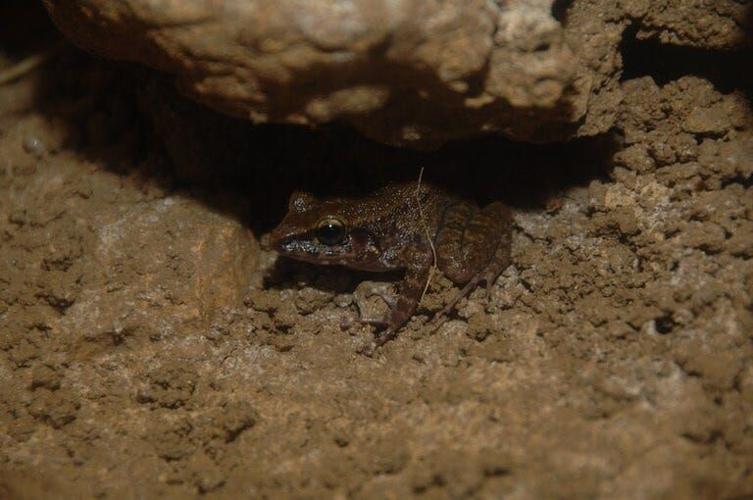
Platymantis insulatus
"What we do is collect individuals of target species, like the rare Platymantis Insulatus, and then breed in captivity," Greenhawk said. " Offspring will be raised in captivity and then released to their natural habitat."
The project is the first of its kind in the Philippines, according to Greenhawk.
"We are working with the University of the Philippines, Los Banos Museum of Natural History," explained Greenhawk. "We want this to be a partnership between Delmarva, Puerto Rico and the Phillippines."
During Phase II of the project, Greenhawk is hoping to connect students and scientists from Delmarva with colleagues in the Phillippines and Puerto Rico.
"The more scientists that you have even from very different backgrounds, the easier it is to find solutions to problems. So essentially long term not only with the amphibians, but I'd like Project Palaka to become something that would give young people the same opportunities I had," Greenhawk said.
Greenhawk is also partnering with his alma mater, Washington College, to continue to inspire more students to pursue research like the one he does with Project Palaka.
Project Palaka was awarded a grant from the Amphibian Ark to continue its research in the Philippines. Its founder and other collaborators are looking for the rest of funding needed to launch the second phase of the project next year.