
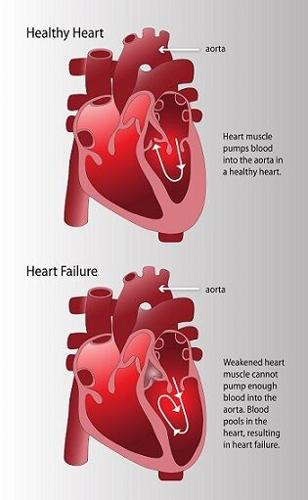
Studies show more than 5 million people in the U.S. have heart failure. Don’t let the name throw you off, though. Heart failure doesn’t mean your heart has stopped working, it just means that your heart isn’t working like it should to support your body.
Dr. Jeffrey Wieland, chief of cardiology at Peninsula Regional Medical Center, joined Jimmy and Lisa to talk about the risk factors, signs and symptoms of heart failure.

There are two types of heart failure:
- Systolic Heart Failure: heart isn’t pumping as strongly as it should
- Diastolic Heart Failure: heart isn’t relaxing the way it should
Most at risk for heart failure are those who have:
- multiple heart attacks
- high blood pressure
- valvular heart disease
Symptoms of heart failure:
- shortness of breath
- waking up due to shortness of breath
- fatigued with activity
- swelling of legs and feet
Treatment for heart failure:
- medications like beta blockers
- diuretics
- defibrillators
- heart transplant (severe cases)
Dr. Wieland also talked about preventative measures:
- regulate blood pressure and cholesterol
- avoid smoking
- manage diabetes
Heart failure in infants is most likely from congenital heart disease due to a hole in the heart or a defect in the heart. Most of the time, the heart can be repaired and the child can have a normal life.