


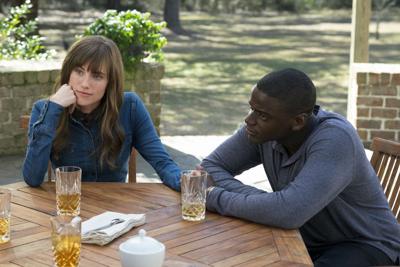
This film is problematic in a way similar to how I thought The Lobster by Yorgos Lanthimos was problematic. This film is considered a horror satire much in the same way as The Lobster. What is problematic is that it feels like a film out of time about 40 or 50 years too late. This film seems to satirize or horrify the idea of interracial dating. It’s not surprising given that the writer-director Jordan Peele is the result of an interracial relationship and interracial relationships have been a staple in his comedy act, as well as in the first season of his sketch series Key & Peele. That was five years ago, but even now it feels ancient as a thing to satirize. Comparisons to Guess Who’s Coming to Dinner (1967), which was 50 years ago, are appropriate because this movie feels like Peele should have made it back then. Now, it just doesn’t feel all that relevant.
The film also is unclear as to why it’s attacking what it is. Racism is all about demeaning or diminishing black people or specifically the black body. There are times where that is superficially and illogically depicted, but, in general, it seems as if black people, particularly black men, are fetishized in this film more than anything else. Racism is about the rejection of black bodies or the death or destruction of black bodies, as was the crux of the Black Lives Matter movement. Here, the twist is that the white-skinned people literally want to become black people. They want to be black. They want to be in those black bodies, and not just sexually, not that sex with a black person is any better than with a white person.
Given all the conversations about cultural appropriation that go all the way back to the 60’s, as echoed in films like Dreamgirls (2006), this film could actually be satirizing that. Cultural appropriations have been the source of many micro-aggression Twitter bouts lately, but the way Peele handles it feels off and wrong. If the idea is white-skinned people want to become black literally and physically, then it’s never taken to its logical conclusion or taken out the bubble that Peele creates. Those white people put on the black-face as it were but they essentially never leave the house or enclave to be given any interactions with the real world.
The vengeance at the end of the film feels wrong or at least too easy for the black person, for the one lone black person to be on a murderous rampage. The crux of the Black Lives Matter movement and even the modern-day Civil Rights Movement is that a lot of the racism is institutional or coming from authority figures abusing their power such as certain police departments. Therefore, it would only seem fair if the denouement of this movie was those same authority figures or institutions exacting vengeance aka justice on the white people here. Without it, the movie loses any relevance to current messages about race relations in this country. That is coupled with the fact the protagonist being black is practically incidental.

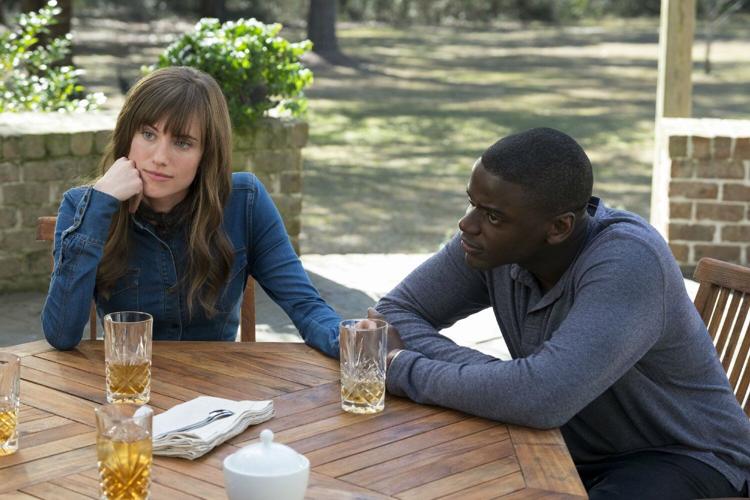
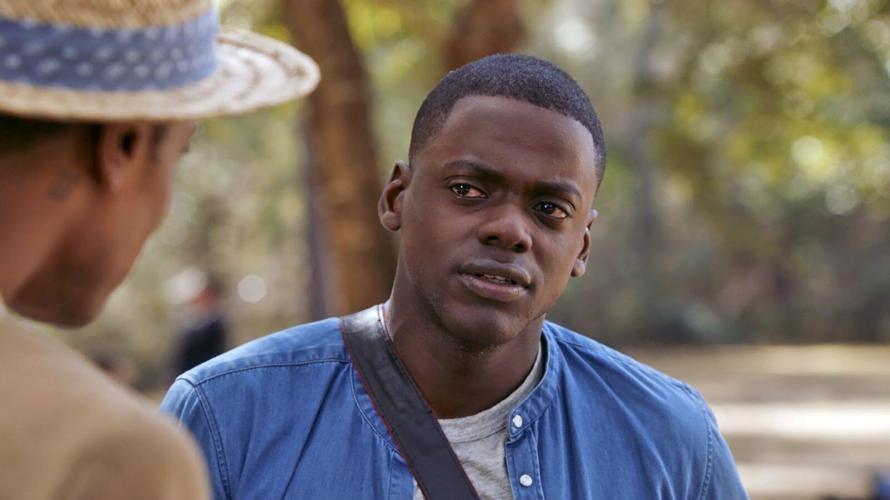
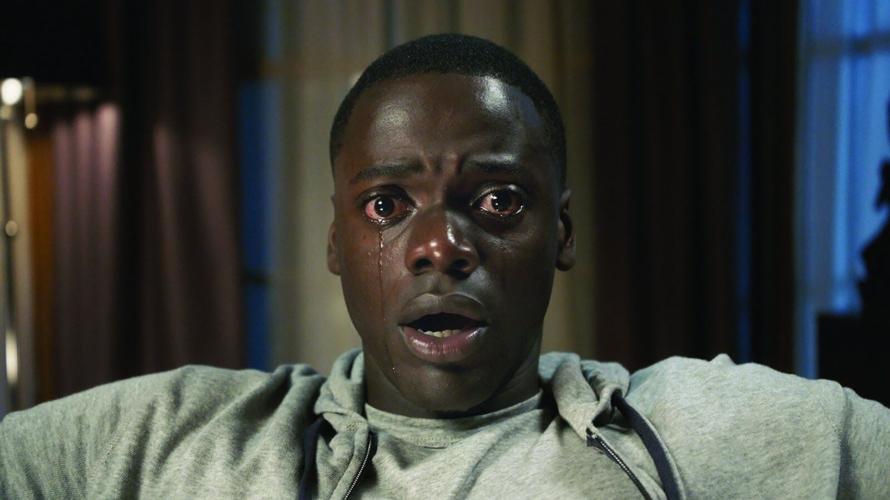
Daniel Kaluuya (Welcome to the Punch and Sicario) stars as Chris, a photographer who is African-American. He doesn’t really have any family. He never knew his father and his mother died when he was 11. He’s dating Rose, played by Allison Williams (Girls), a white girl whom not much is known. He’s only been involved with her for five months and now they’re going to spend the weekend with her parents and brother out in their isolated, country home.
Catherine Keener (Being John Malkovich and Capote) and Bradley Whitford (The West Wing andTransparent) co-star as Missy and Dean Armitage, respectively, the parents of Rose. Missy is a psychiatrist and Dean is a neurosurgeon. They seem open and welcoming, but they harbor a dark secret, relating to the black people who are there.
Spoiler alert!
Dean and Missy are having their children, Rose and Jeremy, bring black people to their country home. Jeremy, played by Caleb Landry Jones (Antiviral), abducts them. Rose pretends to be their girlfriend. Once the black people are there, Missy hypnotizes them and Dean performs brain surgery on them, essentially to transfer the consciousness of wealthy, white people into the bodies of the black people. The black people still retain their consciousness. They simply lose control of their bodies.
It could be seen as a new form of slavery, a more insidious form of slavery, but it’s different because they don’t simply use black people, they become black themselves. The question is why. Again, earlier in the film, black people are practically fetishized, as if the black body is the most desirable kind of body. It’s also seemingly the preferred body to have, which is a novel and appreciated sentiment.
The actions of the white people are obviously sinister and violent. Therefore, there is an underlining source of tension and horror. As a genre picture, be it horror or sci-fi, it’s moderately effective. As a satire of current race relations, it falls apart. If the black bodies are somehow different or better in the white people’s minds, then they’re wrong, but if they never see why they’re wrong or why that thinking is wrong, then what is the point? The movie seems to over-react to the micro-aggression acts of liberal white people with a bloody murderous revenge plot.

If one thinks about it, the white liberal racism on display in the film is racism in the affirmative. Normally, racism is in the negative, thinking a black person for example is inferior in some way. Here, the racism is in the affirmative, thinking a black person is superior, the reverse opinion in effect. I get that racism whichever the direction is wrong, but, for all the things to get upset about or in this case to make a horror film about, racism in the affirmative seems silly and perhaps petty, given that real racism has risen again thanks to our new President. A black man was actually punched at a Trump rally last year unapologetically but we’re going to get upset at white people who compliment Jesse Owens. Black people are fetishized, which is a concern, but I highly doubt that most black men would get mad at the idea that people think they’re more athletic and better sexually than their white counterparts. The stereotype for example that black men have bigger penises is not a stereotype that most black men think is so horrible.
If instead of a black man, the protagonist in this film were a black woman, then that would probably make the case here a bit better, but while I, as a black man myself, totally understand the awkward feelings of the character of Chris at his girlfriend’s being complimented for his muscles or sexual prowess, to demonize white people for that is basically bashing them for liking black people. Should black people really be angry at the white people who compliment them instead of the ones who are literally punching them in the face and telling them to go back to Africa?
This film also ignores colorism, which are the issues surrounding the tone of a person’s skin. Jordan Peele and Keegan Michael Key have made it known that they are biracial, that part of them is white, yet Daniel Kaluuya is not. Marcus Henderson who plays the black gardener at the Armitage house is like Kaluuya in his skin tone. Lakeith Stanfield who plays one of the black people who has a white person put in him is closer to Key and Peele’s skin tone, but this film never acknowledges that distinction. Lakeith is not as dark-skin as Kaluuya or Henderson. Does that make a difference? Because within the black community and specifically Key and Peele’s comedy it does!
What I also found disappointing by the film is that Lakeith Stanfield’s character is never allowed to comment on the fact that he’s now a white man in a black body, and if it’s all that he thought it was. Is Stanfield’s character disappointed that he isn’t the beefcakes that Daniel Kaluuya or Marcus Henderson were? Stanfield is a string-bean compared to Kaluuya and Henderson. Henderson in fact looks like he could be a track-star or a linebacker. Yet, we get no sense of how Stanfield’s character feels as a white man living literally inside a skinny, un-athletic and probably small penis, black man or how his life is now different, better or worse. To me, that’s where the movie fails.
We should have gotten a scene where Stanfield’s character is driving home with his new white wife and then gets pulled over by that same cop from the beginning and then Stanfield’s character gets shot by that cop Trayvon Martin-style and then he realizes, “Oh, that’s why they’re upset!” Having Kaluuya’s character simply murder them all, lets those white people off too easy.
It does perhaps work as a Key & Peele skit, stretched too far, but that’s all it is. Given the popularity of Key & Peele in certain circles, that just might be enough to entertain their fans.
Rated R for violence, bloody images, and language including sexual references.
Running Time: 1 hr. and 44 mins.