

People are starting to trade in the flip flops for shoes, and that really can mean an increase in injuries and foot conditions.
Dr. John Thomas with Thomas Podiatry and Associates joins us to talk about athlete’s foot, in-grown toenails, twisted ankles, and plantar warts. Dr. Thomas tells us all about how to help with these types of foot injuries.
Signs of athlete’s foot are itching and burning between toes, redness and dry skin on the bottoms of feet and between the toes. Athlete’s foot is caused by a fungus, lives in warm, dark, moist environments, like shoes or in locker rooms, and showers.
Dr. Thomas says athlete’s foot can be treated with creams. He also says creams work better than sprays and that the sprays are more for prevention. Dr. Thomas adds that in severe cases, a prescription may be needed.
Sprained and twisted ankles are usually sports related, but can happen from stepping on a curb wrong, or falling into a hole. There are varying levels of severity, and in some cases, may need to be seen to rule out ankle fracture. Sprained and twisted ankles can usually can be treated with a brace, or walking cast, along with rest and ice.
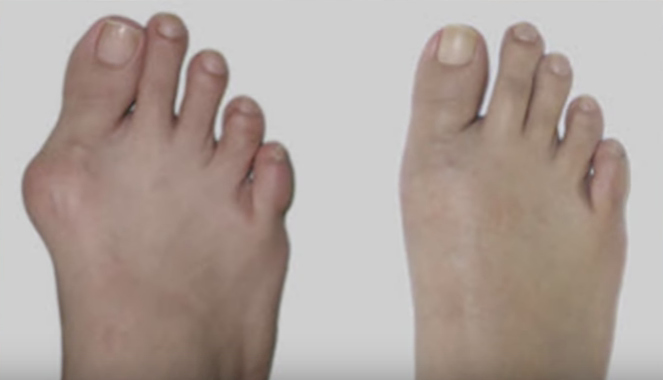
bunions
A bunion is painful bump or swelling on big toe joint. Dr. Thomas says bunions can be hereditary or caused by a shoe that is too tight. Treatment focuses on shoe gear modification and sometimes surgery may be needed.
Tight shoes can also cause in-grown toe nails. Other causes of in-grown toe nails could be trauma or improper nail-cutting techniques. Signs of an in-grown toe nail are pain along nail border, pain with tight shoe gear, pain with bumping the toe, or infection.
A plantar wart is painful skin lesion, usually on bottom of foot caused by a virus. To prevent plantar warts use shower shoes, no barefoot walking, keep cuts and scrapes covered, and do not share socks and shoes. Dr. Thomas says treatments for plantar warts vary from medication to surgical excision.