


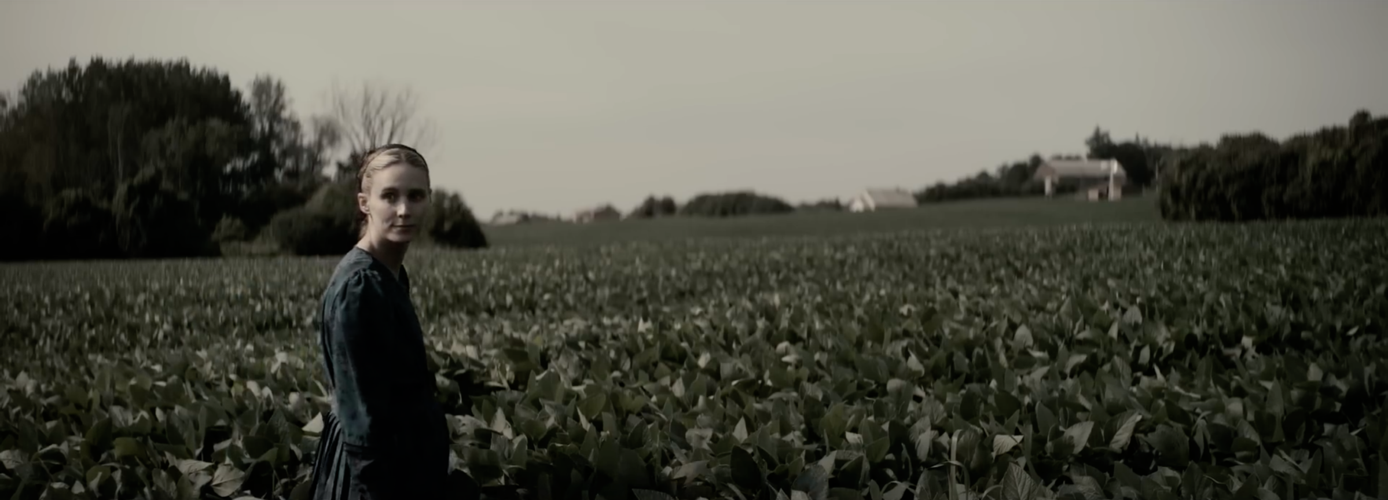


Nominated for two Oscars at the 95th Academy Awards, including Best Picture and Best Adapted Screenplay, writer-director Sarah Polley is working from the 2018 novel by Canadian author Miriam Toews. The book was inspired by a real-life event that happened to Mennonite women in Bolivia, part of the Manitoba Colony there. Between 2005 and 2009, over a hundred girls and women in that colony had been drugged and sexually assaulted.
Toews' novel imagines a group of the raped women meeting to decide what they'll do in reaction to these crimes. It basically becomes a debate of whether they'll stay in the colony or leave. According to some reports, the real-life event resulted in eight men being convicted in a Bolivian court in 2011. The question of why these eight men did what they did isn't addressed. The fact that they were able to get away with their crimes for as long as they did speaks to a more systemic issue, regarding how women are regarded in the colony. The book and this film attempt to reckon with that systemic issue.

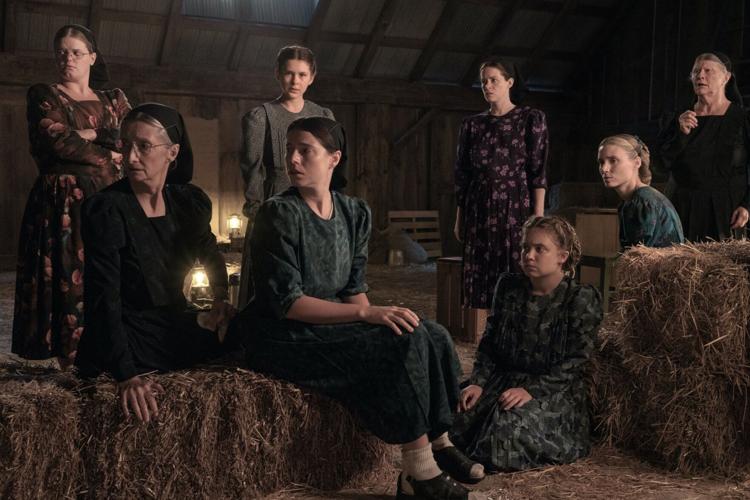
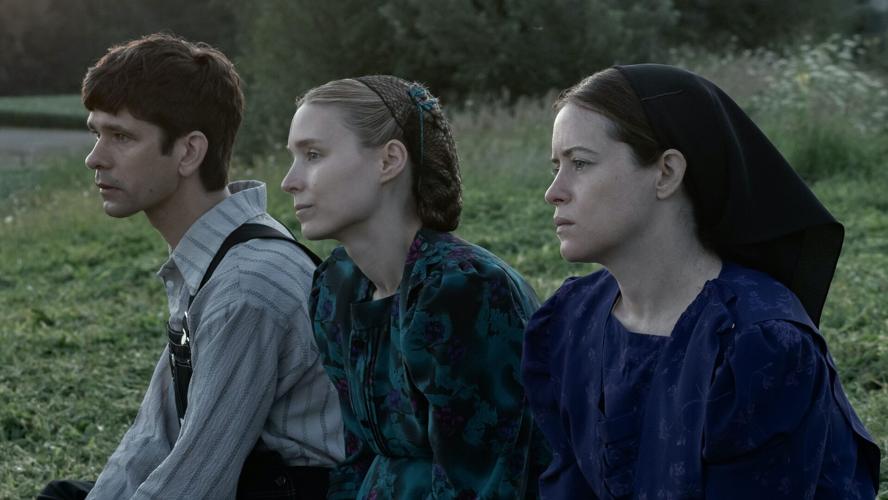
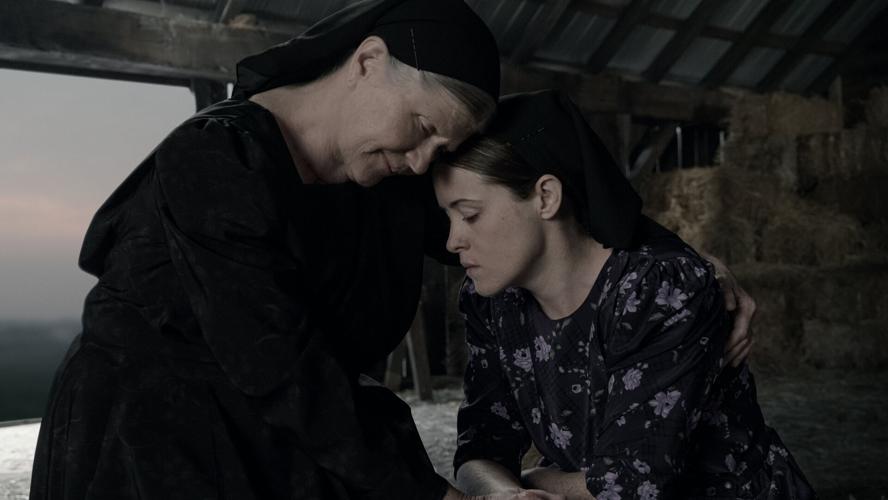
The leaders of the assaulted meet in a hayloft atop the main barn. The women include Ona Friesen, played by Rooney Mara (Carol and The Girl With the Dragon Tattoo), Salome Friesen, played by Claire Foy (The Crown and The Girl in the Spider's Web), and Mariche, played by Jessie Buckley (The Lost Daughter and I'm Thinking of Ending Things). There are about a dozen, give or take, that meet in the hayloft all together. The way that they debate the issue makes it akin to 12 Angry Men (1957) or any similar, chamber drama.
Many of the women begin with a certain position and argue that position strongly. As it progresses, we see many of them change their position or arguments. Mara's character of Ona could be seen as the Henry Fonda equivalent from 12 Angry Men and Buckley's character of Mariche as the Lee J. Cobb equivalent. Fonda and Cobb were on opposite ends of the debate and Cobb's character was the most obstinate. Similarly, Ona and Mariche are on opposite sides and Mariche is the most obstinate, if not the most outwardly angry.

Another film that was released this past year called Decision to Leave (2022) has a title that resonates with a lot of stories. This one included! Ultimately, the group here has to decide whether they'll stay in the colony or go away, abandoning the abusive men. Unfortunately, this is where a bit of disconnect occurs. In real-life, eight men were convicted. Presumably, this film also has eight men who are arrested, even though the film never gives an exact number. It's not clear why those eight wouldn't simply be excommunicated or expelled and left for the authorities to handle.
Ben Whishaw (No Time to Die and Mary Poppins Returns) co-stars as August Epp, a schoolteacher who was excommunicated but now is back in the colony. His parents were basically kicked out due to their political opinions and progressive positions when it came to the Mennonite society. Because the women are illiterate, they get August to write down the transcript of their meeting for posterity. He's sensitive and compassionate to what the women are experiencing, which seems to set him apart from other men.

Yet, August can't be the only caring and empathetic male, but the film suggests so and condemns every other man as either evil or complicit to evil. Ona at one point argues otherwise, but the film never gives voice or close screen-time to any other adult male in the colony, so we're never really meant to feel anything but aversion to these men.
It's not clear how large the colony is. In real-life, a hundred women were affected, but I'm not sure we get a sense of that scale here. For starters, the men are presumably all gone, having traveled to bail out the men arrested, so are we to assume a hundred men left all at once to do that? Why would that many need to go? Are we to assume that every single man believes the eight arrested are innocent or not guilty of the crimes? Even if so, all of the men's absences make no sense.

All of the men being gone is one of these narrative conceits that one perhaps has to brush aside. Suspend one's disbelief in order to accept the premise of this film. That premise is merely there to provide a foundation for a greater discussion regarding faith and religious devotion pitted against sexism and patriarchy pitted against criminal justice. At the end of the day, these men were caught sexually assaulting young girls, meaning children, so these men are arguably pedophiles. Some might throw their hands up and say that there is no debate to be had here. If there is one, it might mean actually engaging with those eight arrested men, which this film has no interest in doing and probably rightfully so.
Rated PG-13 for sexual assault, bloody images and language.
Running Time: 1 hr. and 44 mins.
In theaters.