
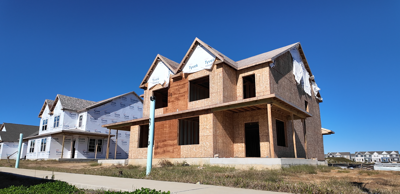


DOVER, Del. - A new fire sprinkler requirement for residential construction in Dover is drawing pushback from affordable housing advocates and homebuilders who say the mandate could add thousands of dollars to the cost of a new home.
The city adopted the 2024 International Residential Code on October 12, requiring fire sprinkler systems in newly constructed single-family homes, duplexes and townhouses. City fire officials say the systems are an important life safety measure, while opponents are asking the city to reconsider the potential financial impact on homebuyers.
However, the requirement may not return to City Council for another vote unless Mayor Robin Christiansen vetoes the ordinance.
Councilman Brian Lewis, the only member to vote against adopting the code, said the measure was approved on its final reading and would not return to council on its own.
The mayor has indicated he does not intend to veto the decision. In a statement to the Council president, Christiansen wrote, "I cannot in good conscience veto this action of Council and compromise the proper actions of Council or the safety of our Citizens."
Fire officials say sprinklers protect residents and first responders
Jason Osika, Dover’s fire marshal, said residential sprinklers can give occupants more time to escape a fire and help protect firefighters responding to emergencies.
"There's a lot of firefighter injuries today, even death, because of the way construction works so much faster," Osika said. "So with the sprinklers in place, it's allowing people to get out and hopefully holding it in place for when the firefighters arrive."
Osika said modern construction methods can allow fires to spread more quickly, making additional fire protection important for both residents and first responders.
He estimated sprinkler systems would cost approximately $2 to $2.50 per square foot, or about $4,000 to $5,000 for a 2,000-square-foot home.
The city made some amendments to the code addressing certain additions and renovations to existing homes. Osika also said projects that had already gone through the design process have additional time to submit documentation to move forward without sprinkler systems.
Affordable housing advocates raise concerns
NeighborGood Partners, which works with community partners to develop affordable housing in downtown Dover, is also asking city leaders to reopen the discussion.
Jill Lordan, a representative of NeighborGood Partners, said the organization estimates sprinkler systems could add between $8,000 and $10,000 to the cost of a home.
The organization aims to keep the homes it builds in downtown Dover priced below $250,000, while working to make homeownership accessible to families earning at or below 100% of the area's median income.
Lordan said the additional expense could make that goal more difficult.
NeighborGood Partners and its partners have built 78 new homes in downtown Dover since 2017 as part of the Restoring Central Dover initiative.
Lordan said the organization supports updating building codes but wants city officials to discuss the sprinkler requirement with homebuilders, housing organizations and other stakeholders.
"We really hope the Dover City Council will work with us and reopen the discussion on this issue," Lordan said.
She also questioned whether the added cost is justified by the safety benefits and said the organization wants to examine studies on the effectiveness of residential sprinkler systems.
Homebuilders cite Maryland's experience
The Home Builders Association of Delaware has asked the mayor to veto the ordinance to allow further consideration of its financial impact on homebuyers and residential development. Alternatively, it also proposed an amendment to adopt the 2024 IRC without mandatory sprinklers.
In a letter to the city, the association pointed to Maryland, which mandated residential sprinklers in 2012. The group said Maryland's home fire fatality numbers have not significantly declined since the requirement took effect.
The association argued that public policy must consider both the costs of these requirements and their broader consequences.
The letter adds to concerns raised by housing advocates about balancing fire safety with the cost of building new homes.
What happens next?
With the ordinance adopted, the mayor's veto is the only avenue identified by Lewis for bringing the measure back before City Council for reconsideration.
The mayor's statement suggests he is unlikely to take that step, citing both the council's decision and public safety.
For now, the requirement remains in effect, even as the Home Builders Association of Delaware and NeighborGood Partners continue to raise concerns about affordability and call for further discussion.