
 2026-08-27T08:01:02
(BPT) - September is Alopecia Areata Awareness Month, a time dedicated to recognizing and celebrating all those affected by alopecia areata, an autoimmune disease that causes unpredictable hair loss on the scalp, face and body. Alopecia areata impacts more than 2% of the world's population and nearly seven million Americans of all ages, genders and ethnic groups. Because alopecia areata results in visible changes in appearance, those living with alopecia areata often experience a loss of self-identity, depression and withdrawal.
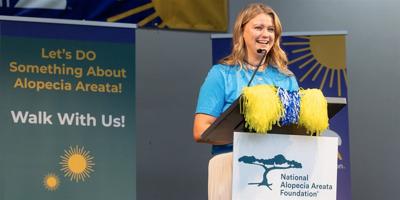
To shine a light on a disease that often lives in the shadows, the National Alopecia Areata Foundation® (NAAF®) hosts the Walk For Alopecia®, the largest fundraising and awareness campaign for alopecia areata in the world. The goal of the yearly Walk For Alopecia is to bring the community together for connection and a sense of belonging while educating the public and raising funds to advance research and support programs for those living with this disease.
This year's event on Saturday, Sept. 26, is the fourth anniversary of the walk, and to commemorate this milestone, NAAF has asked Walk For Alopecia participants to share their experiences.
Can you describe how it felt the first time you attended the Walk For Alopecia?
Lauren Nadeau, Volunteer Walk Site Leader and mother to Matthew, a National Walk For Alopecia Ambassador: The first Walk For Alopecia was incredibly emotional for our family because it was actually the first one we organized here in Boston. Seeing hundreds of people come together for this cause was powerful, but the most meaningful moment was watching Matthew meet other children and adults who looked like him and shared similar experiences.

Julia Rachel, Volunteer Walk Site Leader: I was nervous going into it. I seesawed between excitement and anxiety. It felt like I was going to be confronting the monster who had lived under my bed for years. But as soon as I arrived at the walk site and saw the crowd of people just like me, I felt my anxiety disappear, leaving only excitement and so much hope.

Harrison Goldberg, National Walk For Alopecia Ambassador: I recall being struck by the sheer number of people willing to show up to support the cause. Living with alopecia areata can be difficult; you can feel different from your peers in everyday life. But the walk reverses that experience. Instead of feeling ostracized and different from the world, you can use alopecia areata to bring people together.

Ariel Woodard-Stephens, Volunteer Walk Site Leader and National Walk For Alopecia Ambassador: I was the volunteer site leader for my first walk. I was excited to create a space for those like me. There were a lot of children in attendance, and it was like watching my younger self running around. Creating a space for children and adults with alopecia felt healing to my inner child because I never had that.
What does this year's theme "Creating Hope. Building Community. Driving Progress." mean to you?
Goldberg: For me, the theme represents three different ideas, but each is influenced by the others. Hope brings us together, community helps build our shared voice and together we can drive progress. Through events like the Walk For Alopecia and the NAAF conference, we're able to create hope for ourselves — to imagine and believe in a future where you feel proud of yourself and confident to be who you are.
Woodard-Stephens: Emphasizing hope as a source of strength can help your audience feel resilient and motivated to face challenges. And that hope translates into a desire to drive progress, such as treatment advancements with fewer side effects, health insurance coverage for expensive wigs, and increased visibility of the alopecia community, leading to fewer stares and less stigma. This focus on progress can inspire hope and confidence in future possibilities.
Thinking back to when you or your loved one was first diagnosed with alopecia areata versus being here today, how has the Walk For Alopecia impacted your own journey with acceptance?
Nadeau: The walk transformed a difficult chapter in our lives into something positive and empowering. When Matthew first lost his hair, we spent a lot of time looking for answers and trying to understand what his future might look like. The walk shifted our focus from what Matthew had lost to what he had gained. Watching him develop confidence and pride in who he is has helped our entire family move toward acceptance.
Goldberg: I was 6 years old when I was first diagnosed. I felt like a stranger in my own skin. Luckily for me, my parents found NAAF, and I eventually attended my first conference. The conference and its community propelled me to be confident and accepting of my alopecia areata. The walk reinforces the acceptance and support that I first found at the conference years ago.
How has participating in the Walk For Alopecia helped you find community?
Rachel: The walk has connected me with other people who have alopecia, not just in my state, but around the country. The more people I meet who have alopecia, the more I know our community is stronger than our disease.
Goldberg: The walk has helped me find local members of the alopecia community. It's nice to meet with someone from the community for a walk, dinner or whatever it may be.
If you had to describe the core energy or message of this walk to someone who has never participated, what would you tell them?
Nadeau: I would tell them that the Walk For Alopecia is not just a fundraiser. It's a place where people are celebrated exactly as they are and a reminder that no one has to navigate alopecia alone.
Rachel: The central theme of this walk, the lifeblood of the entire campaign, is love. There is such an outpouring of love from family and friends, and, most importantly, so much self-love. The walk helps restore that lost love and reminds you that you deserve your own kindness.
Goldberg: No matter who you are or why you're there, the Walk For Alopecia demonstrates the value and importance of being yourself. I hope that everyone who attends carries this message with them.
Woodard-Stephens: Come and experience the beauty of the community created by NAAF and its volunteers. Fall is homecoming season! If you are living with alopecia, consider the walk a chance to come home, and everyone loves a good homecoming.
If there's one thing you could tell someone else who has just been diagnosed with alopecia areata, what would it be?
Nadeau: I would tell them that it may take time to process the changes and emotions that come with alopecia, but there is an incredible community of people ready to support you. Seek out connections, ask questions and don't be afraid to share your story.
Rachel: Your diagnosis doesn't make you any less "you."
Goldberg: Try your best every day. This December, I will have had alopecia areata for 18 years. Throughout those 18 years, there have been many ups and downs, but each day is a new day. And a new day brings a new opportunity to commit to trying your best to accept your alopecia areata and love yourself for it.
Woodard-Stephens: You won't always feel this way. You are not alone. Welcome to the club. You have options.
This year, you can help create hope, build community and drive progress for everyone living with alopecia areata. Visit naaf.org/walk to join the 4th Annual Walk For Alopecia Presented by Pfizer, and help shine the brightest light on alopecia areata, raise funds and show the world it is not just hair.