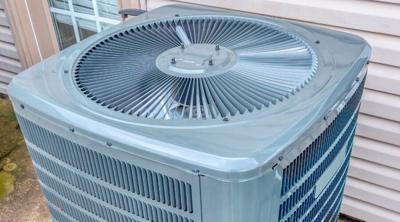

AC contractors in Flemington, NJ, discuss AC replacement, including signs it's needed and its benefits.
Flemington, United States - June 29, 2026 / Davis Heating & Cooling /
Important AC Replacement Basics to Know
Few home systems have as direct an impact on daily comfort as the air conditioner, and when that system starts to fail, the effects are felt in every room and on every energy bill. AC replacement is not simply a matter of swapping one unit for another; it is an opportunity to correct sizing mistakes, upgrade to modern efficiency standards, and choose a system type that fits the way the home is actually used. Knowing what warning signs to watch for, what benefits await on the other side of replacement, and what options exist for the new system turns an overwhelming decision into a manageable one.
Signs to Replace an Air Conditioner
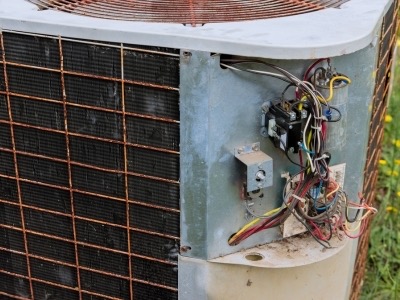 Age is one of the most honest indicators that an air conditioner's useful life is drawing to a close, and any system that has been running for more than a decade deserves a careful evaluation before the next cooling season begins. A unit in its later years tends to slow down in ways that are hard to miss, struggling to cool rooms it once handled easily, running longer cycles without reaching the thermostat setting, or shutting off unexpectedly during peak heat hours. Those performance changes are not just inconvenient; they are signs that the internal components are degrading in ways that reduce both reliability and efficiency.
High energy bills that have no clear explanation beyond the air conditioner itself are one of the most persuasive arguments for AC replacement, because an aging and inefficient AC unit loses its ability to convert electricity into cooling effectively as it gets older. The SEER rating a unit carried when it was new bears little resemblance to the efficiency it actually delivers after years of wear on the compressor, coils, and refrigerant system, and the difference shows up every month on the utility statement. When cooling costs climb year over year while the home gets no more comfortable, the system is costing more than a replacement ever would.
Frequent repairs are the final piece of the replacement puzzle, and they carry a financial logic that is hard to ignore once the costs begin stacking up. Each service call on an aging unit buys a little more time, but that time comes at a price, and at a certain point the cumulative repair spending outpaces the cost of simply installing a new system. A conversation with a trusted HVAC contractor about the repair history of the current unit is often the moment when homeowners realize that AC replacement is not just advisable but overdue.
Advantages of Replacing an Old AC Unit
The most immediate benefit of a new air conditioner installation is the jump in energy efficiency, as modern systems are engineered to cool more effectively while consuming significantly less electricity than the units they replace. A high-efficiency system with a strong SEER2 rating can produce meaningful reductions in cooling costs from the first full billing cycle, with those savings compounding over the lifespan of the equipment. For households where air conditioning runs for most of the year, the efficiency gains alone can justify the investment in a relatively short period.
Fewer repair costs follow naturally from the fact that a new system comes backed by a manufacturer's warranty and is operating with components that have not yet been subjected to years of heat, humidity, and mechanical stress. The enhanced comfort that accompanies a well-installed, properly sized new unit is another benefit that becomes apparent immediately, with more consistent temperatures, better airflow, and improved humidity control transforming how the home feels during the hottest months. Indoor air quality benefits as well, since newer systems are better equipped to filter airborne particles and maintain healthy humidity levels than aging equipment that may have accumulated debris in coils and filters over the years.
New AC installation also gives HVAC professionals the chance to resize the system based on a proper load calculation, correcting the common problem of equipment that was never matched correctly to the home's actual cooling needs. An oversized unit that short-cycles leaves rooms feeling clammy and humid, while an undersized one runs without pause and still fails to keep up with demand, and both scenarios drive up operating costs unnecessarily. Getting the sizing right from the start of the replacement process is one of the most lasting benefits a homeowner can take from the experience.
Choosing a Type of AC System
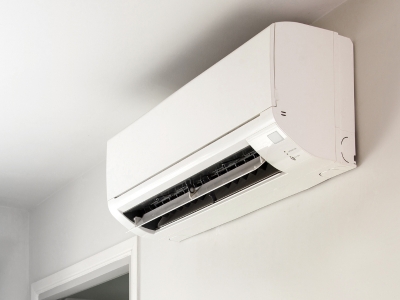 The decision between a ductless mini-split system and a central AC system is the central question in most residential AC replacement projects, and it is one that depends heavily on the specifics of the home, the existing infrastructure, and the priorities of the household. Central air conditioning is the system most homeowners are already familiar with, and when a home already has existing ductwork in good condition, the installation cost for a central system tends to be lower than the alternative. Hidden vents and a single outdoor unit give central systems a clean and unobtrusive appearance that blends into the home rather than altering the look of individual rooms.
Operating costs tell a different story, as central AC systems are subject to efficiency losses from duct leakage that can waste a significant portion of the conditioned air before it ever reaches living spaces. Ductless mini-split systems eliminate that loss by delivering cooling directly to each room through a wall-mounted air handler, making them far more energy efficient and translating that efficiency into noticeably lower energy bills over the course of a cooling season. The absence of ductwork also makes mini-split installation practical in homes, additions, or rooms where running new ducts would be costly or structurally complicated.
Mini-split systems bring another advantage in the form of room-by-room temperature control, allowing occupied spaces to be cooled to different settings without affecting the rest of the home, a capability that central systems can only replicate through the addition of complex and expensive zoning equipment. The trade-off is a higher upfront installation cost compared to a central system in a home with existing ducts, which makes the choice a balancing act between immediate budget and long-term operating savings. Consulting with a qualified HVAC professional before making the final call ensures the system selected is the right fit for the home, not just the most convenient or the most familiar option available.
About Davis Heating & Cooling
Davis Heating & Cooling is a family-owned and operated company serving Flemington, NJ, and beyond. They offer 24/7 live answers, factory-trained technicians, and a 10-year parts and labor warranty. Call them today for professional air conditioning replacement and installation in Flemington, NJ.


Contact Information:
Davis Heating & Cooling
105 Route 31 Bldg C
Flemington, NJ 08822
United States
Tom Davis
(908) 806-7419
https://www.davis-hvac.com/