
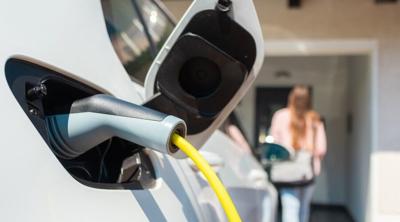


Electricians in Morristown, TN, discuss installing a home EV charger, including benefits and considerations.
Morristown, United States - June 29, 2026 / Service Pro Electric LLC /
Why Install an Electric Vehicle Charging Station at Home?
Electric vehicles are becoming a fixture on roads across the country, and the way drivers power those vehicles is shifting just as quickly as the technology behind them. Having a dedicated charging station at home removes the uncertainty of relying on public infrastructure and puts control of the charging process back in the hands of the vehicle owner. Exploring the benefits, understanding the available charger options, and knowing what to prepare for before an EV charging station installation are the building blocks of a smart and successful setup.
The Benefits of Installing an EV Charger at Home
One of the most immediate advantages of a home electric vehicle charging station installation is the convenience it brings to daily life. Rather than planning trips around the availability of public charging stations or waiting in line at a commercial network, a home charger makes it possible to plug in at the end of the day and wake up to a fully charged vehicle. The charging happens in the background, whether during sleep or while working from home, without requiring any extra time or effort.
Beyond convenience, the financial side of home charging makes a compelling case for the investment. Residential electricity rates are typically far lower than the per-kilowatt-hour pricing found at commercial charging networks, and over time, those savings accumulate into a meaningful reduction in the overall cost of owning an electric vehicle. Charging at home consistently rather than relying on public stations is one of the simplest ways to keep the long-term cost of EV ownership in check.
The installation of a home EV charger can also have a positive effect on property value, adding an amenity that resonates with a growing segment of the real estate market. As electric vehicle adoption continues to climb, buyers actively seeking a home already equipped with a charging station may be willing to pay a premium for that added convenience. A home with an EV charger installed signals forward-thinking infrastructure that appeals to a new generation of environmentally conscious buyers.
Understanding EV Charger Options
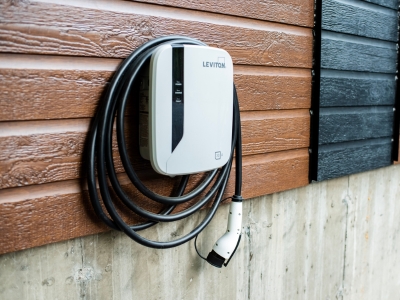 When exploring residential electric vehicle charging options, the conversation typically begins with two categories: Level 1 and Level 2 chargers. Level 1 charging uses a standard 120-volt household outlet and requires no special installation, making it an accessible starting point for new EV owners. The limitation, however, becomes apparent quickly, as a Level 1 charger can take well over 30 hours to bring a depleted battery to a full charge, making it impractical for drivers with daily commuting needs.
Level 2 charging operates at 240 volts, the same voltage used by large appliances like dryers and ranges, and it represents a dramatic improvement in charging speed and reliability. A vehicle connected to a Level 2 charging station reaches a full charge in approximately 5.5 hours, transforming overnight charging from a wishful plan into a dependable routine. For most households with an electric vehicle as a primary mode of transportation, the Level 2 charger is the standard that makes home charging genuinely functional.
The gap between Level 1 and Level 2 performance is significant enough that most electricians and EV manufacturers recommend Level 2 as the baseline for any permanent residential installation. Choosing the right charger from the start avoids the frustration of upgrading later and ensures that the charging setup keeps pace with the demands of everyday driving. Understanding this distinction early in the decision-making process points clearly toward a Level 2 charging station installation as the practical and long-term solution.
What to Consider Before Installation
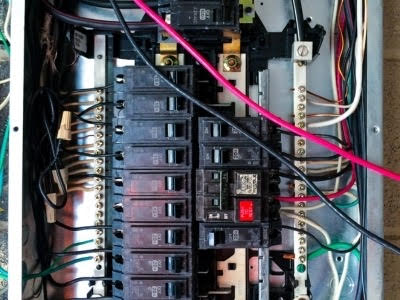 Before an EV charger installation can move forward, one of the most important factors to evaluate is the capacity of the home's electrical panel. The charging station draws a substantial and continuous electrical load, and if the existing panel is outdated or already operating near its limits, it may not have enough available capacity to support the addition. In that situation, an electrical panel upgrade becomes a necessary step before the charger installation can safely proceed.
Most modern homes are equipped with a 200-amp electrical panel, which generally provides sufficient capacity to accommodate a Level 2 EV charger alongside the home's existing electrical demands. Homes with older 100-amp panels or panels that have seen decades of use without upgrades may fall into a different category, requiring an assessment before any new load is added to the system. Knowing the panel's current condition ahead of time prevents surprises during the installation process and helps set accurate expectations for the scope of the project.
Regardless of the panel's condition, calling a licensed electrician for both the EV charger installation and any related electrical work is the step that protects the home and everyone in it. Improper wiring, incorrect breaker sizing, or a panel that has been pushed beyond its rated capacity are all conditions that can create serious electrical hazards. Working with a qualified professional ensures that the installation meets local electrical codes, passes inspection, and operates safely for the life of the vehicle.
About Service Pro Electric LLC
Service Pro Electric LLC is a locally-owned and operated electrical company serving Morristown, TN, and beyond. They offer upfront pricing, on-time service, and attention to detail. Call them today for electric vehicle charging station installation in Morristown, TN.


Contact Information:
Service Pro Electric LLC
402 West Hillcrest Drive
Morristown, TN 37813
United States
Alex Rogers
(423) 839-9509
https://www.serviceproelectricllc.com/