
The Hidden Benefits of a Dry Crawlspace: Better Air, Lower Bills, Stronger Foundations
Canton, United States - May 25, 2026 / ARK Basement Services /
Crawlspace waterproofing is a fundamental home improvement that shields a property from moisture-related damage. Many homeowners underestimate the risks of a damp crawlspace, which can result in structural deterioration and health concerns. This article outlines the principal benefits of crawlspace waterproofing—health improvements, preserved structural integrity, greater energy efficiency, and potential cost savings. It explains common methods and offers guidance on selecting a reputable service provider so homeowners can make informed maintenance decisions.
Key Takeaways
- Crawlspace waterproofing prevents moisture accumulation, reducing mold growth and improving indoor air quality for healthier living.
- Waterproofing protects structural integrity by preventing foundation damage and pest infestations caused by excess moisture.
- Sealing crawlspaces enhances energy efficiency by reducing drafts and heat loss, lowering heating and cooling costs.
- Proper waterproofing methods include vapor barrier installation, crawlspace encapsulation, and sump pumps to control moisture effectively.
- Encapsulation seals the crawlspace, improving temperature regulation and contributing to overall home energy savings.
- Regular maintenance, such as inspections and humidity monitoring, supports long-term mold prevention in crawlspaces.
- Signs of moisture problems include visible mold, water pooling, and musty odors, indicating the need for waterproofing services.
- Choosing a reliable waterproofing provider involves evaluating experience, customer reviews, and warranty offerings.
- Investing in crawlspace waterproofing can increase property value and prevent costly repairs related to water damage.
Health Improvements
Waterproofing a crawlspace improves indoor air quality by eliminating the moisture that supports mold and mildew. Mold spores contribute to respiratory problems, allergic reactions, and other health issues. Controlling humidity reduces these risks and creates a safer living environment. This preventative measure protects occupants and supports overall household health.
Structural Integrity

Water intrusion into crawlspaces can undermine a home’s structural components. Persistent moisture can weaken foundations and cause cracks, rot, or other damage. Effective waterproofing defends the foundation and structural elements from water-related deterioration. A dry crawlspace also reduces the likelihood of pest infestations that can further compromise the building, helping homeowners protect their investment and prolong the home’s service life.
Energy Efficiency
Proper crawlspace waterproofing improves energy performance by reducing drafts and heat loss. A sealed crawlspace enables heating and cooling systems to operate more efficiently, which can lower utility costs. In addition to financial savings, moisture control helps maintain more consistent indoor temperatures and greater comfort throughout the home.
Research indicates that proper crawlspace sealing can lead to substantial energy savings, directly impacting heating and cooling expenditures.
Energetic Inefficiencies Associated with Crawlspace Ventilation
Despite limited technical justification for current crawlspace ventilation codes, operable vents remain common practice among builders and code officials who seek empirical evidence. This research quantified weekly space‑heating energy use for a 1,150‑square‑foot residence in a climate with 5,900 heating degree days. The home met the 1992 Model Energy Code; the crawlspace perimeter was insulated with R‑10 foam board and the forced‑air HVAC supply ducts were located in the crawlspace and sealed and pressure tested. Using a “flip‑flop” design—vents open one year and closed the next—the measured energy penalty from keeping vents open in winter was 21% (12 MMBtu/yr) in the study’s second year. In the most recent winter, after insulating and air‑sealing the crawlspace access cover in addition to vent closure and insulation, savings increased to 32% (19 MMBtu/yr).
Measured energy penalties from crawlspace ventilation., 1998
Potential Cost Savings
Professional crawlspace waterproofing can deliver measurable long‑term savings. By preventing water damage and mold, homeowners avoid expensive repairs and ongoing maintenance. A well‑maintained crawlspace may also increase property value, which can offset the initial expense. Over time, reduced repair costs and improved energy performance often justify the investment.
What Are the Key Advantages of Crawlspace Waterproofing?
Crawlspace waterproofing provides several practical advantages that improve a home’s performance and durability. Key benefits include improved resale value, effective moisture control, and better indoor air quality for occupants.
- Improved Home Value: A waterproofed crawlspace can increase the resale value of a property, making it more attractive to potential buyers.
- Moisture Control: Effective waterproofing prevents moisture buildup, reducing the risk of mold and structural damage.
- Health Benefits for Occupants: By improving indoor air quality, waterproofing contributes to the health and well-being of all household members.
How Does Waterproofing Enhance Structural Integrity?
Waterproofing prevents water from entering the foundation and crawlspace. This reduces the risk of foundation movement, wood rot, and other forms of structural damage. Maintaining a dry environment preserves the home’s stability and reduces the need for costly structural repairs.
In What Ways Does Moisture Control Improve Indoor Air Quality?
Reducing humidity limits the presence and spread of mold spores and other allergens. Lower allergen levels support better respiratory health, particularly for people with asthma or allergies. Overall, moisture control contributes directly to a healthier indoor environment.
Which Methods and Technologies Are Used in Crawlspace Waterproofing?
Common crawlspace waterproofing methods include vapor barriers, encapsulation, and mechanical water removal. These approaches address moisture at its source and establish controlled conditions beneath the home.
- Vapor Barrier Installation: A vapor barrier is a crucial component that prevents moisture from entering the crawlspace.
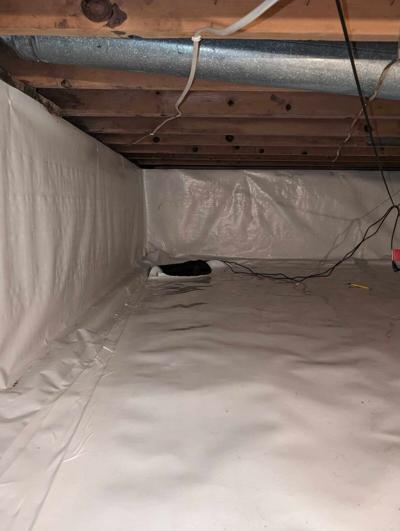
- Crawlspace Encapsulation: This method involves sealing the crawlspace to create a controlled environment, reducing humidity levels.
- Sump Pumps: Sump pumps are used to remove any water that may accumulate in the crawlspace, ensuring it remains dry.
What Is Crawlspace Encapsulation and Its Role?
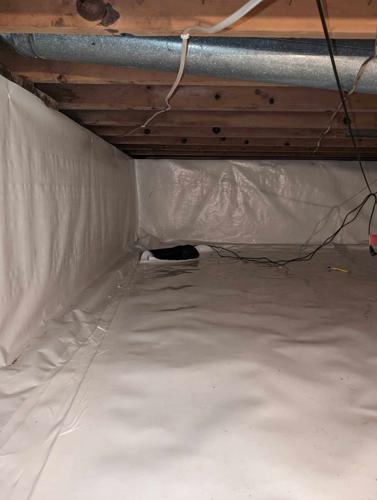
Encapsulation is a comprehensive technique that seals the crawlspace with a durable barrier and connects it to a controlled drainage or dehumidification strategy. The result is reduced moisture intrusion, improved temperature regulation, and protection for the home’s structure and indoor air quality.
How Do Vapor Barriers and Drainage Solutions Work Together?
Vapor barriers block ground and surface moisture while Drainage solutions move water away from the foundation. Used together, these systems form an integrated approach that controls moisture and reduces the risk of water damage.
How Does Crawlspace Waterproofing Prevent Mold and Related Health Issues?
Waterproofing reduces the damp conditions that enable mold growth. By controlling humidity and managing water intrusion, homeowners can substantially lower the likelihood of mold‑related health problems and maintain a healthier indoor environment.
What Are the Health Benefits of Mold Prevention in Crawlspaces?
Preventing mold in crawlspaces yields clear health advantages: improved respiratory health, fewer allergy symptoms, and an overall healthier indoor environment for all occupants.
- Respiratory Health: Reducing mold exposure can alleviate respiratory issues and improve overall lung function.
- Allergy Reduction: A mold-free environment minimizes allergy symptoms for sensitive individuals.
- Enhanced Well-Being: A healthier indoor environment contributes to the overall well-being of all household members.
Which Maintenance Practices Support Long-Term Mold Control?
Consistent maintenance preserves the effectiveness of waterproofing systems. Recommended practices include scheduled inspections, humidity monitoring, and prompt repair of any leaks or damage.
- Regular Inspections: Periodically check the crawlspace for signs of moisture or mold.
- Humidity Monitoring: Use a hygrometer to monitor humidity levels and ensure they remain within a safe range.
- Prompt Repairs: Address any leaks or water intrusion issues immediately to prevent mold growth.
How Does Crawlspace Waterproofing Contribute to Energy Efficiency?
A sealed crawlspace reduces uncontrolled air exchange and heat loss. This allows HVAC systems to work more efficiently and can improve overall comfort while lowering energy consumption.
What Energy Savings Can Homeowners Expect?
Homeowners commonly see measurable reductions in heating and cooling costs after waterproofing. Many report energy savings in the range of 10% to 20%, depending on the home’s size, climate, and the measures installed.
How Do Moisture Barriers Reduce Heating and Cooling Costs?
Moisture barriers prevent damp air from entering the crawlspace and stabilise conditions beneath the home. This reduces the workload on HVAC equipment and helps maintain consistent indoor temperatures, which lowers energy use.
When Should Homeowners Consider Professional Crawlspace Waterproofing Services?

Homeowners should engage professional crawlspace waterproofing services when they detect signs of moisture problems or when existing DIY fixes do not resolve the issue. Professional assessment is also advisable for properties with recurring moisture, finished floors above the crawlspace, or HVAC components located below the home.
- Visible Mold: The presence of mold indicates excessive moisture and the need for waterproofing.
- Water Pooling: Standing water in the crawlspace is a clear sign of water intrusion that requires immediate attention.
- Musty Odors: Unpleasant odors often indicate mold growth and moisture issues.
What Are the Signs Indicating Crawlspace Moisture Problems?
Common signs of crawlspace moisture problems include visible mold growth, water stains on surfaces, and persistent musty odours. Any of these indicators warrant further inspection and corrective action.
- Visible Mold Growth: Mold on surfaces indicates high humidity levels.
- Water Stains: Stains on walls or floors suggest water intrusion.
- Musty Odors: Unpleasant smells often indicate mold or dampness.
How to Choose a Reliable Waterproofing Provider?
Select a provider based on verifiable experience, documented customer satisfaction, and clear warranty terms. Request references, review case studies, and confirm the scope of work and aftercare support before contracting a service.
- Experience and Expertise: Look for companies with a proven track record in crawlspace waterproofing.
- Customer Reviews: Check online reviews and testimonials to gauge customer satisfaction.
- Warranty and Support: Ensure the provider offers a warranty on their work and ongoing support.
Different waterproofing methods provide specific benefits by addressing moisture through distinct mechanisms.
| Method | Mechanism | Benefit |
|---|---|---|
| Vapor Barrier Installation | Prevents moisture intrusion | Reduces mold growth |
| Crawlspace Encapsulation | Seals the crawlspace | Improves energy efficiency |
| Sump Pumps | Removes accumulated water | Keeps crawlspace dry |
This comparison clarifies how individual measures combine to protect a home from moisture‑related damage.
Summary and Next Steps for Homeowners
Crawlspace waterproofing delivers clear, measurable benefits: better indoor air quality, preserved structural integrity, and improved energy efficiency, all of which can reduce long‑term costs. Investing in professional waterproofing protects the property and supports a healthier living environment. Homeowners who understand these advantages can make informed maintenance decisions. To safeguard your home, consider reviewing professional waterproofing options available from qualified providers.


Contact Information:
ARK Basement Services
4326 Avondale St NW
Canton, OH 44708
United States
Mike Perry
(866) 939-2837
https://www.arkbasementservices.com/