

How Crawlspace Encapsulation and Moisture Control Protect Your Home from Water Damage
Canton, United States - July 20, 2026 / ARK Basement Services /
By Mike Perry, ARK Basement Services
Crawlspaces frequently harbor moisture and mold that damage structural components and degrade indoor air quality. Homeowners evaluating crawlspace waterproofing should understand how moisture control preserves the home environment. Solutions such as encapsulation, vapor barriers, and advanced drainage systems address moisture and protect the structure. This article explains the causes of crawlspace moisture, reviews waterproofing methods, outlines moisture control systems, and describes how these measures support health and property value.
Key Takeaways
- Crawlspace moisture originates from poor ventilation, groundwater seepage, and environmental factors that threaten home integrity.
- Common water intrusion sources include poor drainage, leaking pipes, and ventilated crawlspaces allowing outside moisture entry.
- Crawlspace encapsulation uses heavy-duty vapor barriers to seal moisture and improve indoor air quality effectively.
- Vapor barriers prevent ground moisture evaporation and require precise installation and maintenance for long-term effectiveness.
- Sump pumps actively remove accumulated water, protecting crawlspaces from flooding and structural damage.
- Dehumidifiers reduce excess humidity, preventing mold growth and maintaining healthier crawlspace environments.
- Mold growth signs include visible patches, musty odors, and water stains indicating underlying moisture problems.
- Professional mold remediation involves moisture source elimination, cleaning, antimicrobial treatments, and ongoing humidity control.
- Integrating basement waterproofing with crawlspace solutions enhances overall moisture management and reduces energy costs.
- Routine inspections and maintenance of vapor barriers, sump pumps, and dehumidifiers ensure lasting waterproofing performance.
What Causes Crawlspace Moisture and How Does It Affect Your Home?
 Crawlspace moisture arises from several environmental factors that can undermine the building’s fabric. Inadequate ventilation traps humidity and allows moisture to accumulate. Groundwater seepage during heavy rain introduces water that attacks foundation materials. Sustained high moisture promotes mold growth, harming occupants’ health and lowering indoor air quality. Identifying these causes early is essential to limit repair needs and preserve the structure.
Common Sources of Crawlspace Water Intrusion
Identifying the sources of water intrusion is a prerequisite to effective prevention and repair. Common contributors include poor landscape drainage, leaking plumbing, and ventilated crawlspaces that admit outside humidity.
- Poor Drainage: If your landscape does not direct water away from your foundation, it can pool around your home.
- Leaking Pipes: Pipe leaks can introduce significant moisture into the crawlspace, especially if left unchecked.
- Ventilated Crawlspaces: While ventilation is often intended to reduce humidity, it can also allow outside moisture to enter.
Professional inspection identifies the specific entry points and provides targeted recommendations to improve moisture control and protect foundation integrity.
Which Crawl Space Waterproofing Methods Ensure Long-Term Moisture Control?
Long-term protection relies on methods chosen for the site conditions and proven installation practices. Several approaches provide durable moisture control when applied correctly.
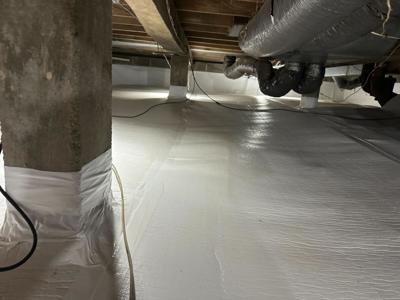
- Crawl Space Encapsulation: This method involves sealing the crawl space with a heavy-duty vapor barrier, effectively creating a moisture barrier. Sealing inhibits humidity infiltration and improves indoor air quality by reducing mold growth risk.
- Vapor Barriers: These barriers prevent ground moisture from evaporating into the airspace. Proper installation requires meticulous sealing of overlaps to ensure effectiveness.
- Sump Pumps: Proven to actively remove water that accumulates in crawl spaces, sump pumps are critical for homes prone to heavy rainfall or flooding. Regular maintenance ensures functionality.
How Crawlspace Encapsulation Creates a Moisture Barrier
Encapsulation establishes a controlled barrier using heavy-duty vapor membranes to separate the crawlspace from ground and outside moisture. Proper sealing reduces mold risk and improves indoor air by limiting humid air entry. Scheduled inspections and repairs maintain the system’s effectiveness over time.
Benefits and Installation of Vapor Barriers in Crawlspaces
Vapour barriers reduce moisture transfer from the ground into the crawlspace and contribute to more consistent interior conditions, which can lower energy use. Installation requires careful sealing at seams and penetrations to prevent breaches. Ongoing checks ensure the barrier continues to perform as intended.
Refer to the following research for evidence on vapour barriers and their role in controlling crawlspace humidity.
Mitigation of Crawl Space Humidity Through Vapor Barriers and Insulation
Crawl spaces frequently exhibit high humidity. Effective mitigation strategies include the installation of vapour barriers and insulation. Moisture ingress in building envelope materials:(ii) transport mechanisms and practical mitigation approaches, 2025
What Moisture Control Systems Complement Crawlspace Waterproofing?
To reinforce waterproofing, integrate systems that actively manage humidity and water flow. Typical options include dehumidifiers, drainage, and sump pump solutions tailored to the site.
- Dehumidifiers: These devices help reduce excess humidity, preventing mold growth and ensuring a healthier environment.
- Drainage Systems: Comprehensive drainage systems enhance moisture control by providing a path for water to be directed away from the crawlspace.
- Sump Pumps: Critical for quickly removing any unwanted water accumulation, sump pumps serve as a frontline defense against flooding.
Role of Sump Pumps in Managing Crawlspace Water Accumulation
Sump pumps actively remove collected water and route it to an external discharge, reducing the risk of flooding and foundation damage. Regular testing and maintenance are essential to ensure reliable operation during heavy rainfall.
Using Dehumidifiers to Maintain Optimal Crawlspace Humidity Levels
Dehumidifiers control humidity to reduce mold risk and support healthier indoor air. Use units sized for the crawlspace and position them for effective airflow. Routine filter replacement and performance checks keep the equipment operating efficiently.
How Can Crawlspace Mold Remediation Protect Health and Property?
Mold in crawlspaces presents health risks and can diminish property value if left unaddressed. Timely remediation limits exposure and prevents further material deterioration.
Common indicators of mold include musty odours, visible fungal growth, and water stains that point to ongoing moisture issues. Prompt response reduces health and structural impacts.
Signs of Mold Growth Related to Crawlspace Moisture Issues
Recognising signs of mold is important for early intervention. Typical indicators include:
- Visible Mold: Patches of mold can appear on various surfaces in the crawlspace.
- Musty Odors: Persistent, damp odors often indicate mold presence.
- Water Stains: Stains from water intrusion represent areas where moisture problems have occurred.
Maintaining vigilance for these signs helps prevent health concerns and limits repair costs.
Professional Mold Removal Techniques and Preventative Measures
Effective remediation requires locating and eliminating the moisture source, performing thorough cleaning, and applying antimicrobial treatments where appropriate. Preventative work includes regular inspections and active humidity control to reduce the chance of recurrence.
How Does Basement Waterproofing Integrate with Crawlspace Solutions?
Crawlspace and basement waterproofing form a coordinated strategy to reduce moisture across the foundation system. Implementing dedicated basement waterproofing supports overall structural resilience and consistent moisture management.
Combined solutions provide mutual benefits, lowering the likelihood of water damage throughout the building envelope.
Complementary Benefits of Basement Waterproofing for Home Protection
Addressing both crawlspaces and basements improves property protection and indoor air quality. Consistent moisture control lessens the load on heating and cooling systems and can reduce energy consumption over time.
Drainage System Options Including French Drains to Prevent Water Damage
Drainage systems, such as French drains, manage groundwater by directing it away from foundations and crawlspaces. Professional installation and quality materials help ensure long-term performance and reduce the risk of water-related damage.
What Maintenance and Inspection Practices Ensure Lasting Waterproofing Results?
Regular inspections and maintenance preserve the performance of waterproofing measures. A proactive schedule helps identify issues before they require major repair.
 Routine Crawlspace Inspection Checklists for Early Moisture Detection
A practical inspection checklist includes the following items:
- Checking Visible Signs of Moisture: Look for damp spots, mold, or musty odors.
- Inspecting Drainage Systems: Ensure that gutters and downspouts are directing water away from the foundation.
- Monitoring Humidity Levels: Use a hygrometer to keep humidity in check and address any spikes promptly.
Consistent inspections allow homeowners to address moisture problems before they worsen.
Maintenance Tips for Vapor Barriers, Sump Pumps, and Dehumidifiers
To preserve system performance, follow these maintenance practices:
- Regular Checks: Inspect vapor barriers for breaches or tears regularly.
- Address Repairs Immediately: Quickly fixing any issues with sump pumps or dehumidifiers can prevent larger problems.
- Documenting Maintenance Activities: Keeping detailed records helps maintain optimum performance and identifies patterns requiring further attention.
Diligent maintenance supports lasting waterproofing performance and protects the home from moisture intrusion.
Frequently Asked Questions
What are the signs that my crawlspace may need waterproofing?
Look for visible mold, persistent musty odors in living areas, water stains, or damp spots in the crawlspace. Condensation on surfaces or stored items and rising indoor humidity readings also indicate the need for waterproofing measures. Early recognition helps protect structural elements and indoor air quality.
How often should I inspect my crawlspace for moisture issues?
Inspect the crawlspace at least twice a year, typically in spring and fall, and after any episodes of heavy rain or severe weather. Regular checks help detect leaks or humidity increases before they cause significant damage.
Can I waterproof my crawlspace myself, or should I hire a professional?
Some minor tasks, like sealing small gaps, are suitable for competent homeowners. However, comprehensive waterproofing—such as encapsulation, drainage modification, and sump pump installation usually requires professional assessment and installation to ensure reliable, long-term results.
What is the difference between crawlspace encapsulation and traditional waterproofing methods?
Encapsulation seals the crawlspace with a heavy-duty vapor barrier to control humidity directly, reducing mold risk and improving air quality. Traditional methods, like improved exterior drainage, focus on redirecting water away from the foundation but may not address internal humidity to the same degree during periods of high groundwater or extreme weather.
How do climate and location affect crawlspace waterproofing needs?
Local climate and site conditions determine appropriate measures. High-humidity or flood-prone areas typically require more extensive solutions such as encapsulation and robust drainage, while drier regions may still need targeted work to manage groundwater and condensation. Tailoring the approach to local conditions yields more reliable outcomes.
What maintenance practices should I follow for my crawlspace waterproofing?
Regularly inspect vapor barriers for damage, test sump pumps, monitor humidity, and check for signs of mold. Maintain gutters and downspouts to keep water away from the foundation. Periodic professional inspections complement homeowner checks and help identify issues early; keep records of all maintenance activities.
Protect Your Crawlspace with Trusted Waterproofing Experts Serving Alliance, Canton & Stark County
Keeping your crawlspace dry is one of the best investments you can make to protect your home’s foundation, indoor air quality, and long-term value. Professional crawlspace waterproofing, encapsulation, vapor barriers, and drainage solutions help prevent moisture damage, mold growth, and costly structural repairs before they become major problems.
At ARK Basement Services, we’ve helped homeowners throughout Alliance, Canton, North Canton, and Stark County, Ohio, protect their homes with customized waterproofing solutions designed for local soil conditions and changing weather. Whether you’re dealing with excess moisture, standing water, or high humidity, our experienced team will identify the source of the problem and recommend the right long-term solution for your home.
If you’re searching for crawlspace waterproofing near Alliance, OH, crawlspace encapsulation in Canton, or reliable moisture control solutions anywhere in Northeastern Ohio, contact ARK Basement Services today to schedule your free inspection and estimate. Let our local experts help you create a healthier, safer, and drier home for years to come.


Contact Information:
ARK Basement Services
4326 Avondale St NW
Canton, OH 44708
United States
Mike Perry
(866) 939-2837
https://www.arkbasementservices.com/