
LINYI, SHANDONG, CHINA, July 29, 2026 /EINPresswire.com/ -- I. Basic Functions of Rain Covers
1. Definition and Purpose of Rain Covers
1.1. What Is a Rain Cover?
A rain cover is a protective cover specifically designed to shield outdoor equipment from rain; it is typically made from tarpaulin material with excellent waterproof properties. It effectively prevents rainwater from penetrating, protecting the interior of the equipment from moisture damage.
1.2 Core Functions of Rain Covers
The core functions of rain covers include waterproofing, dust protection, sun protection, and wind protection. In outdoor conditions, rain covers effectively block rainwater and direct sunlight, preventing equipment from aging and becoming damaged due to prolonged exposure.
2. The Importance of Rain Covers in Outdoor Protection
2.1 Ensuring Safe Equipment Operation
Outdoor equipment is typically high-value and has specific requirements for its operating environment. Without effective protection from a rain cover, prolonged exposure to rain can easily lead to equipment aging, short circuits, performance degradation, and other issues.
2.2. Extending Equipment Service Life
During long-term operation, outdoor equipment is continuously exposed to natural elements such as sunlight, rain, wind, and sand. Installing a rain cover effectively shields the equipment from these harmful factors, significantly extending its service life.
60170eb1ca7438c6c2cf5aacfedbe89c.png
II. Applications of Rain Covers in Different Industries
1. Applications in the Power Industry
1.1. Protection of Outdoor Transformers
Outdoor transformers are critical components of power transmission systems. As they are constantly exposed to the elements, they require reliable rain protection. Rain covers provide comprehensive protection for transformers, preventing rainwater from seeping inside and causing short circuits.
1.2 Protection of Distribution Boxes and Switchgear
Outdoor distribution boxes and switchgear also require protection from rain covers. These devices are typically mounted on utility poles or ground-level bases, where they are directly exposed to rain. Installing rain covers effectively blocks rainwater.
2. Applications in the Telecommunications Industry
2.1 Protection for Telecommunications Base Station Equipment
Telecommunications base station equipment is typically installed on rooftops or communication towers, where operating conditions are harsh. Rain covers provide reliable rain protection for this equipment, ensuring stable transmission of communication signals.
2.2 Protection for Surveillance Cameras
Outdoor surveillance cameras must operate around the clock, and both their electrical components and lenses require rain protection. Specialized rain covers provide targeted protection for these cameras.
III. Material Selection and Performance Requirements for Rain Covers
1. Common Material Types
1.1. PVC-Coated Fabric
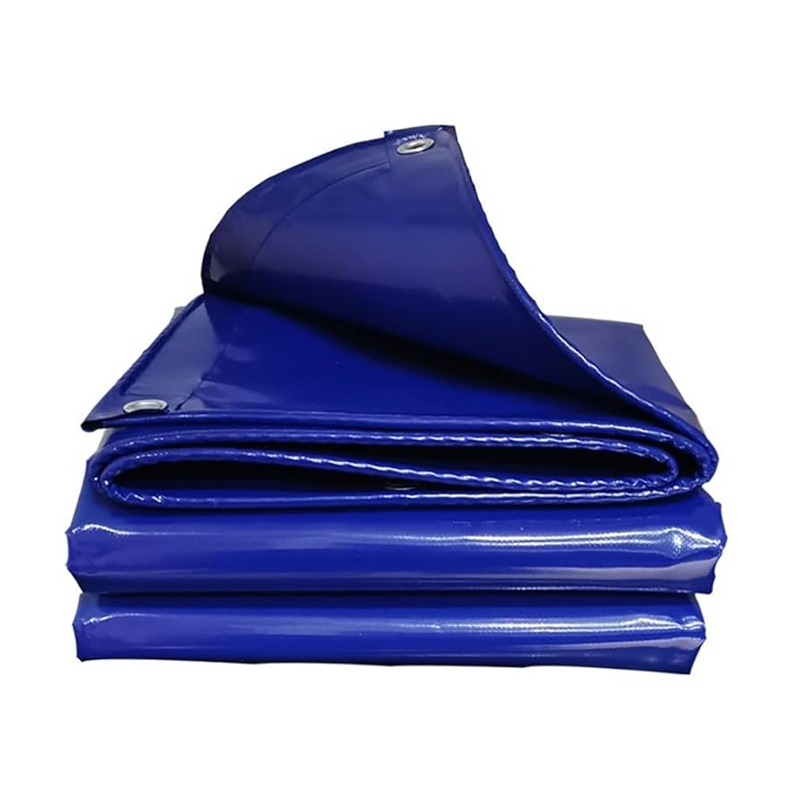
PVC-coated fabric is a commonly used material for rain covers. It consists of a polyester fiber base fabric coated with PVC on the surface. PVC-coated fabric offers excellent waterproof performance, high tensile strength, and good weather resistance.
PVC Tarpaulin Sheet Cover With Eyelets (1).jpg
1.2. PE Woven Fabric
PE woven fabric is woven from polyethylene flat yarn and features light weight, softness, and good water resistance. Compared to PVC-coated fabric, PE woven fabric is lighter, making it easier to transport and install.
158197b68046fdde602ecce28b846834.png
2. Performance Requirements and Testing Methods
2.1. Water Resistance Requirements
The waterproof performance of a rain cover is its core performance indicator. Methods for testing waterproof performance include hydrostatic pressure testing and rain exposure testing. A high-quality rain cover should be able to pass high hydrostatic pressure tests and rigorous rain exposure tests.
2.2. Weather Resistance Requirements
Rain covers are exposed to outdoor environments for extended periods and must therefore possess excellent weather resistance. Weather resistance includes UV resistance, resistance to high and low temperatures, and resistance to aging.
IV. Key Considerations for Selecting and Using Rain Covers
1. Selection Guidelines
1.1. Select Based on Application Scenarios
Different application scenarios have varying requirements for rain covers. For protecting power equipment, choose rain covers with good insulation and flame-retardant properties. For protecting telecommunications and surveillance equipment, select rain covers that are lightweight and easy to install.
1.2. Focus on Material and Manufacturing Quality
The quality of the rain cover’s materials and manufacturing process directly determines its protective effectiveness and service life. When purchasing, carefully inspect indicators such as material thickness, strength, and flexibility, and select rain covers made from high-quality materials.
2. Key Points for Use and Maintenance
2.1. Proper Installation and Securing
The installation and securing of the rain cover have a significant impact on its protective effectiveness. During installation, ensure that the rain cover completely covers the equipment being protected and is securely and reliably fastened.
2.2. Regular Inspection and Maintenance
After a period of use, the rain cover may show signs of wear and tear or aging, which can affect its protective effectiveness. Therefore, the rain cover should be inspected regularly, and any issues should be addressed promptly.
Conclusion
Rain covers play an irreplaceable role in protecting outdoor equipment. They effectively shield equipment from harmful elements such as rain, dust, and UV rays, ensuring safe and stable operation while extending the equipment’s service life. With continuous advancements in materials technology and manufacturing processes, the performance of rain covers will continue to improve, and their applications will become even more widespread. As an expert in protective solutions, Star Tarpaulin remains committed to the research, development, and innovation of rain cover products, providing customers with higher-quality products and services.
Linyi Xinshengyang Plastic Products Co., Ltd.
Linyi Xinshengyang Plastic Products Co., Ltd.
Legal Disclaimer:
EIN Presswire provides this news content "as is" without warranty of any kind. We do not accept any responsibility or liability for the accuracy, content, images, videos, licenses, completeness, legality, or reliability of the information contained in this article. If you have any complaints or copyright issues related to this article, kindly contact the author above.

Media gallery