
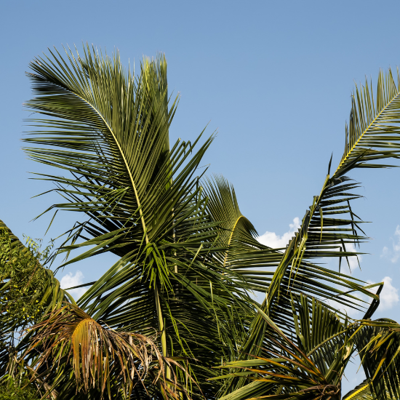

The Homeowner's Guide to Palm Tree Care in Phoenix
Phoenix, United States - July 6, 2026 / Joe Graisbery /
Palm trees are a familiar feature on many Phoenix properties, yet many homeowners underestimate what it takes to keep them healthy year-round. A dependable palm tree care guide helps property owners avoid common mistakes that can contribute to declining tree health. Elite Tree Service developed this resource to walk homeowners through the fundamentals of palm care, covering best practices suited to desert conditions.

Watering and Feeding Palms in Phoenix's Climate
Phoenix's arid climate makes irrigation one of the most important factors in palm health. In many yards, proper watering often means soaking the root zone deeply rather than giving palms frequent shallow drinks.
The area's alkaline desert soil can limit nutrient availability, which is why fertilization matters just as much. Palm tree fertilization is commonly recommended twice a year in Arizona, using a palm-specific fertilizer suited to local nutrient needs. Yellowing on older fronds often points to a potassium or magnesium shortfall, while curling or scorched new growth can signal a manganese issue.
Pruning Practices for Healthier Palms
Proper pruning preserves a palm's ability to continue producing energy through photosynthesis. Pruning dead fronds should be limited to those that have fully browned and fallen below the canopy's horizontal line, since removing green fronds early can harm the tree's health.
Spotting Palm Health Warning Signs
Consistent monitoring remains a homeowner's best defense against pest and disease management issues that can spread quickly if left unaddressed. A few palm health concerns to watch out for include the following:
Fusarium wilt: A fungal disease with no cure that spreads through contaminated pruning tools and mainly affects Canary Island date palms
Palm weevils: Beetles whose larvae feed inside palm tissue and can seriously damage the tree before symptoms become obvious
Root rot: Common in overwatered or poorly drained areas and often undetected until the decline becomes obvious
Beyond pests and diseases, certain physical warning signs indicate problems that require professional attention. For example, a trunk that starts leaning after a storm or soft, dark spots on the bark can indicate damage that needs an evaluation by trusted experts like those at Elite Tree Service.
Choosing the Right Location for New Palms
A complete palm tree care guide should also consider placement before planting a palm. Crowded areas can limit root development and make future trimming harder, especially near roofs or narrow walkways. Sun exposure is equally important, as some palms tolerate intense heat better than others.
Choosing the right location early can reduce problems as the palm matures. Soil drainage needs to be considered early on, as compacted soil can trap water in the root zone, increasing the risk of rot. Testing how quickly water drains from a planting hole is a useful step before planting begins.
Palm tree varieties also vary in their tolerance for local soil conditions, which factors into long-term maintenance needs.
About Elite Tree Service in Phoenix
This trustworthy palm tree care guide gives Phoenix homeowners a clearer way to protect their plants through seasonal changes. Elite Tree Service offers professional evaluations of palms that need closer attention, drawing on practical knowledge of the conditions affecting plants in the area. Homeowners looking for guidance on palm care can call (480) 386-1196 to schedule a consultation.


Contact Information:
Elite Tree Service
Serving Phoenix and nearby areas
Phoenix, AZ
United States
Donna T
https://elitetreeaz.com/
Original Source: https://elitetreeaz.com/homeowner-guide-to-palm-tree-care/