
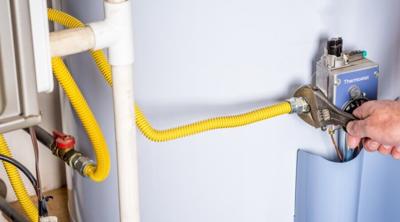
Plumbers in Sparks, NV, compare differences between gas and electric water heaters.
Sparks, United States - March 31, 2026 / Lincoln Heating & Air /
Pros and Cons of Common Water Heater Fuel Sources
Selecting a new water heater often starts with one big question: gas or electric? Each fuel source affects purchase price, long‑term operating costs, safety, and convenience in different ways. This overview explains how a gas water heater and an electric water heater perform, what installation requirements must be met, and when a water heater replacement might favor one type over the other. Armed with clear pros and cons, homeowners can work with a trusted plumber to match a system to household priorities, whether that means lower monthly bills, simpler maintenance, or peace of mind during severe weather.
Gas Water Heater
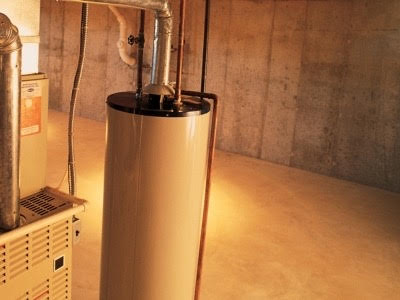 Gas water heaters rely on natural gas or propane burners to heat water in the tank. One major advantage is operating cost; in many regions, gas prices make a gas water heater less expensive to run than an equivalent electric unit.
Gas models also recover hot water more quickly, which benefits large households or homes with high simultaneous demand. However, this performance comes with extra responsibilities.
Proper venting is critical for removing combustion byproducts, and installation requires an adequate gas line and a shutoff valve. There is also some safety risk, including the potential for a gas leak or carbon monoxide issue if equipment is poorly maintained or incorrectly installed, so annual professional inspections are strongly recommended.
Electric Water Heater
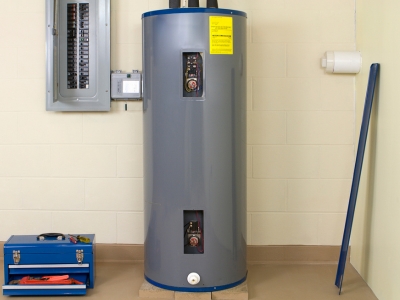 An electric water heater uses heating elements powered by household electricity, eliminating the need for combustion, flues, or gas piping.
Upfront, electric units are typically more affordable to purchase and install, especially in homes that lack existing gas hookups. They are also considered safer in many situations because there is no open flame, combustion exhaust, or risk of gas leak.
On the downside, electricity usually costs more per unit of energy than natural gas, so day‑to‑day operating expenses can be higher. Recovery time is slower, making it easier to run out of hot water during heavy use.
In addition, a standard electric model stops working during a power outage, which can be frustrating in areas where service interruptions are common.
Factors to Consider Before Installation
Fuel type is only one part of a smart water heater installation decision. Existing infrastructure matters; a home with a reliable gas line and venting may find gas models economical, while an all‑electric home avoids the expense of running new gas piping. Local energy rates should also be reviewed, because utility prices determine which system is cheaper to operate over time.
Reliability needs to play a role, too. In neighborhoods that experience frequent power outage events, a gas water heater with a standing pilot can maintain hot water when the grid is down. However, for households especially concerned about combustion safety or sensitive to the idea of a gas leak, an electric water heater may provide greater peace of mind.
About Lincoln Heating & Air
Lincoln Heating & Air proudly serves Sparks and the surrounding areas with a comprehensive range of heating, air conditioning, and indoor air quality solutions. They offer high-quality services with upfront, competitive prices. Call them today to schedule water heater installation in Sparks, NV.


Contact Information:
Lincoln Heating & Air
1520 Glendale Ave
Sparks, NV 89431
United States
Kenneth Quirk
(775) 359-1985
https://lincolnheating.com/