

Originally Posted On: https://www.ucanpack.com/blog/post/how-to-pack-international-orders-using-the-right-shipping-boxes-and-sealing-tape
What You'll Need Before You Start Packing International Orders
Before you tape a single flap, get everything laid out on the table. Here's the short list — nothing fancy — skip one of these, and you'll be repacking the box twice.
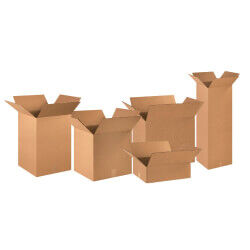
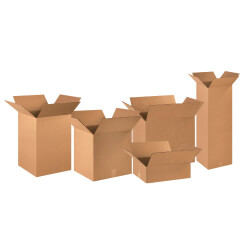
Corrugated shipping boxes in the right size — B-flute or C-flute, sized to your product, not the biggest box you've got lying around
Packing tape, 2-inch or 3-inch width, hot melt or acrylic adhesive (skip the cheap masking-tape-grade stuff for cross-border loads)
Reinforced or filament tape for corners and heavy boxes over 20 lbs
Fill material — bubble wrap, air pillows, or crinkle paper to stop products from shifting
Customs forms (commercial invoice or CN22/CN23, depending on destination and declared value)
Shipping labels and tracking numbers printed and ready before the box is sealed
A tape gun — hand-taping an international order with a torn-off strip is asking for a split seam
A tape measure and a kitchen scale, for checking dimensional weight before you print a label
Time needed: 10-15 minutes per box once you've got your supplies staged; add another 5 minutes if you're filling out customs paperwork by hand
Twenty percent. That's roughly how many international parcels arrive damaged when sellers grab whatever shipping boxes are lying around the warehouse instead of matching flute strength to the trip ahead. A box that survives a three-day domestic hop can cave in after two weeks bouncing between cargo holds, customs docks, and delivery trucks — a different game entirely.
Here's what most people miss: international packing isn't just a bigger version of your normal routine. Distance, handling frequency, and moisture exposure all stack up against your box, and cheap tape or the wrong ECT rating turns a small crack into a full-blown damage claim. In practice, the fix isn't complicated. Pick the right corrugated construction, size it tight to cut dimensional weight fees, and seal it like it's going to get thrown — because it will. Get those three things right, and you'll cut damage complaints without spending more per unit than you already do.
What You'll Need Before You Start Packing International Orders
Picture this: a customer in Germany orders three ceramic mugs, and the box shows up crushed at customs — because the seller grabbed whatever container was lying around the stockroom. That's the mistake you're avoiding. International freight gets tossed, stacked, and re-handled a dozen times before it reaches a doorstep overseas, so you need the right gear lined up before you tape a single flap.
Corrugated Shipping Boxes Sized for Your Product
Start with double-wall shipping boxes rated for your product's weight — a B-flute or C-flute box handles most orders under 20 lbs without buckling. Small items like jewelry or electronics accessories often fit perfectly in 9x6x4 shipping boxes, keeping dimensional weight charges down.
Sealing Tape, Fill Material, and Customs Documents
Grab 2-inch acrylic tape rated for cold storage transit, plus crinkle paper or air pillows for void fill. Don't forget printed customs forms — three copies, taped to the outside in a clear pouch.
Step 1: Pick the Right Flute and ECT Rating for International Transit
Weak boxes fail somewhere over the ocean, not on your loading dock. International routes mean more handling, more stacking, and weeks sitting in a container before a driver ever touches the pallet. That's why flute choice and ECT rating matter more here than on a quick domestic run.
Why B-Flute and C-Flute Corrugated Boxes Handle Long-Haul Freight Better
B-flute gives you a stiff, printable wall that resists crushing on tight retail shelves overseas. C-flute adds real stacking strength for freight sitting in a warehouse for weeks. Sellers moving high volume often order bulk shipping boxes in these flutes to keep unit costs down without cutting corners on the ECT rating carriers require for damage claims.
Matching Box Strength to Product Weight and Distance
Heavier shipments need a 32 ECT minimum.
Anything under 20 lbs usually gets by fine on 26 ECT B-flute. Oversized freight is different — a 36x36x36 cardboard box needs double-wall construction, period, once it's crossing borders on a pallet.
Step 2: Choose the Correct Shipping Box Size to Cut Dimensional Weight Costs
Ever guess at a box size and pay for it later at checkout? Dimensional weight pricing punishes that guess every single time. Carriers calculate charges using length times width times height, not just actual weight, so a box that's two inches too big on each side can bump you into a higher rate tier.
How to Measure Your Product Before Ordering Large or Extra Large Shipping Boxes
Measure the product's longest point on all three sides, then add one inch for padding — not four. For flatter items like apparel or documents, flat shipping boxes keep dimensional weight low while still protecting the goods during international transit and customs handling.
Avoiding Oversized Boxes That Inflate USPS, FedEx, and Freight Charges
Oversized boxes cost more at the counter and cost more in tape, void fill, and warehouse space. A detailed breakdown of why a right-sized shipping box beats bigger packaging on total cost explains the math behind this pretty clearly.
Step 3: Reinforce Every Seam With the Right Packing Tape
Here's a number that surprises most shippers: nearly 1 in 3 international damage claims trace back to tape failure, not a weak box. Customs handling, multiple carrier transfers, and long transit times punish a package that only has a single strip running down the center seam.
2-Inch vs 3-Inch Tape Width for Heavy Cross-Border Shipments
For orders under 20 lbs, 2-inch tape at standard adhesive strength holds up fine. Anything heavier — or anything passing through several carriers before it lands overseas — needs 3-inch tape with acrylic or hot-melt adhesive. Brands packing white shipping boxes for retail or beauty lines should stick with clear 3-inch tape so labels stay readable; white shipping boxes show scuffs and tape residue far more than plain kraft.
Using the H-Taping Method to Seal Top and Bottom Flaps
Run one strip down the center seam, then two more across each end where the flaps meet. That's the H pattern. Skip it — you're gambling on customs handling. Small brands testing new SKUs have learned this the hard way, which is part of why are shipping boxes with low minimums changing how startups test new products keeps coming up in packaging forums.
Step 4: Cushion, Label, and Prep the Box for Customs Clearance
Most sellers think tossing in a handful of paper scraps counts as cushioning. It doesn't — and customs agents opening a box for inspection expect contents secured, not sliding around like loose change. Loose product inside kraft shipping boxes is one of the top reasons items arrive cracked or scuffed after international transit.
Adding Fill Material So Contents Don't Shift in Transit
Fill every gap until you can shake the box without hearing movement. Air pillows, crumpled kraft paper, or bubble wrap all work — just don't overpack past the box's rated capacity. If you're still choosing dimensions, check these mailer boxes specifications that matter before you place a bulk order before sealing anything.
Placing Shipping Labels and Customs Forms Where Drivers Can Scan Them
Put labels flat on the largest side, never over a seam or corner. Customs forms need a clear plastic pouch so a driver can scan tracking without tearing anything open at the center.
Common Mistakes to Avoid When Packing International Shipments
Picture a seller in Ohio shipping a dozen ceramic mugs to Germany. The box looks fine at drop-off — then it shows up three weeks later with a blown-out corner — two broken mugs. That's not bad luck. That's a packing mistake, and it happens more than you'd think on cross-border freight.
Skipping a Second Tape Layer on Corners and Edges
One strip of tape down the center seam isn't enough for anything crossing an ocean. Corners take the worst beating during loading, customs handling, and truck transfers. Run a second strip across every corner and edge — it adds maybe 30 seconds per box.
Reusing Damaged Boxes for Long-Distance Freight
A box that already survived one trip is weaker than it looks. Reusing dented or water-stained boxes for international orders is asking for a claim. For heavier pallets or bulk freight runs, triple wall boxes hold up far better than a recycled single-wall box ever will.
How to Verify Your International Package Is Ready to Ship
Your box isn't ready just because the flaps are folded down. That's the mistake that turns a $30 order into a $200 damage claim once it crosses a border. Before it leaves your hands, run it through a real check — not a glance.
Quick Drop Test and Squeeze Check Before Sealing
Set the box on a hard floor and drop it from waist height, corner first. Nothing shifting inside? Good. Now squeeze the sides — a solid box barely flexes. If you're buying in volume, wholesale shipping boxes hold their shape far better than random retail cartons, and that matters for freight handlers who stack pallets without much care.
Confirming Tracking, Labels, and Duty Paperwork Are Attached
Check the tracking number matches your carrier account before it's out the door. Labels need to be flat, unwrinkled, and readable by a scanner — not just a human eye. Attach the customs form in the pouch, not loose inside. Missing paperwork is the number-one cause of international delay.
How-To FAQ
What size shipping box should I use for an international order?
Pick a box that leaves about 1 to 2 inches of clearance around your product on every side — no more. A box that's too roomy invites shifting in transit, and carriers charge by dimensional weight, so extra air in the box means extra money out of your pocket. Measure length, width, and height first, then order the closest standard size rather than rounding up "just in case."
Is it cheaper to use my own box instead of a flat-rate box for international shipping?
It depends on the weight and density of what you're sending. Flat-rate options work in your favor when you've got something heavy but compact — think dense tools or stacked apparel. But if your product is light and bulky, your own correctly-sized corrugated box usually beats flat rate because you're not paying for space you don't use. Weigh both options with your actual product before deciding, not just once and never again.
How much tape do I actually need to seal an international shipping box?
Run at least three strips across every seam — one down the center and one on each side edge, a method packers call H-taping. For international loads that'll pass through multiple hands and possibly sit in a truck or container for days, use 3-inch tape instead of 2-inch on anything over 20 pounds. Skimping on tape here is one of the fastest ways to end up with a customer complaint and a damage claim.
Can I reuse an old shipping box for an international shipment?
Not if it's already been through one trip. A box that's been compressed, dropped, or exposed to moisture loses a chunk of its stacking strength even if it looks fine from the outside. International routes involve more handling points than a domestic delivery, so start with a fresh box every time you're sending something across a border.
What happens if my package gets held up in customs?
Missing or unclear paperwork is the number one reason a package sits at a border instead of moving. Attach your customs form and shipping label flat on the largest side of the box, not on a seam or corner, so the barcode scans clean on the first try. Double-check that the declared contents and value on your form match what's actually inside — mismatches cause delays every time.
How long does international shipping take once the box is packed and sealed?
Transit time runs anywhere from 5 days to several weeks depending on the destination country, carrier, and whether it's going by air or by freight. A properly sealed, right-sized box doesn't speed up customs processing, but it does cut down the odds of a hold-up caused by a torn label or a burst seam. Build in a buffer of a few extra days when you quote delivery windows to customers overseas.
International shipping rewards the packers who get the boring details right. The flute rating on your shipping boxes decides whether a box survives three transfer points or splits open somewhere in customs. Box size decides your freight bill — a container that's two inches too big can push a shipment into a heavier weight bracket and quietly eat your margin. And tape, when it's cheap or applied in a single thin strip, is where most damage claims actually start. None of that is complicated once you've measured the product correctly, matched the ECT rating to its weight, and run an H-pattern with 3-inch tape across every seam.
Grab a stack of your current boxes, run a squeeze test on the next order headed out the door, and check the corners before it leaves your dock. If a seam gives under light pressure, size up or add a second tape pass — don't wait for a damage claim to teach that lesson the hard way. Order samples, test a few flute and size combinations against your heaviest product, and settle on the setup that holds up on every haul, not just the easy ones.
UCANPACK
753A Tucker Rd
Winder, GA 30680
1 201-975-6272