
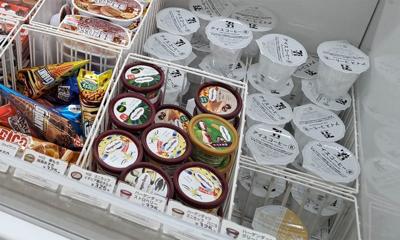

As Japan’s summer heat intensifies, a simple convenience store item is gaining attention among locals and visitors alike. Ice cups, commonly used for coffee and beverages, have become a popular way to stay cool while offering travelers a convenient glimpse into Japan’s everyday summer culture.
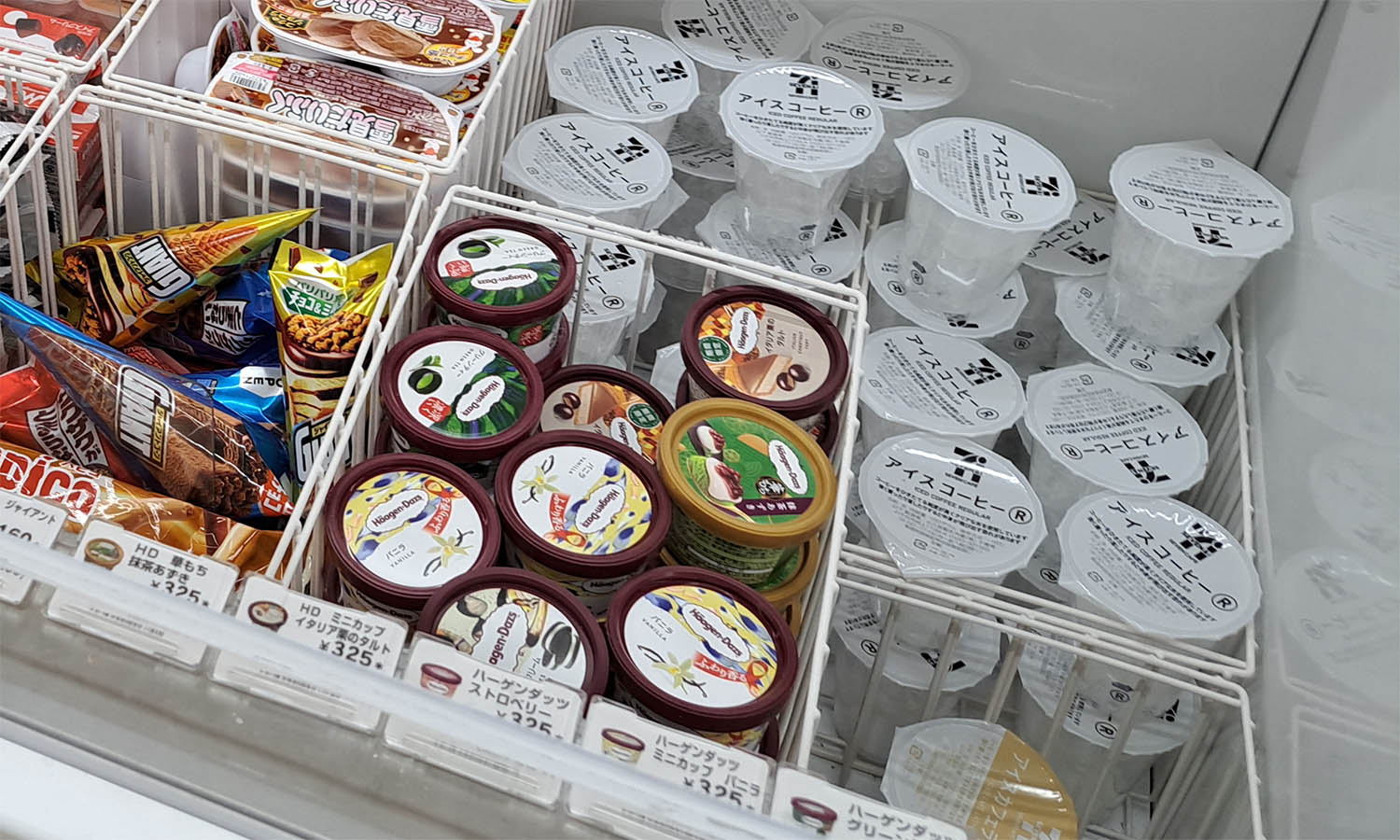
TOKYO, JAPAN (MERXWIRE) – As Japan experiences increasingly intense summer heat, demand for cooling products continues to rise. Alongside ice cream, cold beverages, and cooling accessories, convenience store ice cups have become one of the country’s most popular seasonal items. While the sight of cups of ice stacked in freezer cases may surprise many first-time visitors, for Japanese consumers they have become a practical everyday solution for coping with extreme summer temperatures.
Japan’s summers are not only hot but also highly humid, increasing the risk of heatstroke. According to Japanese authorities, tens of thousands of people are hospitalized for heat-related illnesses each year between May and September, with admissions exceeding 100,000 during particularly hot summers. As temperatures continue to rise, the government encourages people to stay hydrated, avoid prolonged exposure to direct sunlight, and take regular breaks in cool environments.
Ice cups are available at convenience stores throughout the year, but sales surge during the summer months. Major chains including 7-Eleven, FamilyMart, and Lawson offer ready-to-use cups of ice, mainly designed for coffee, tea, soft drinks, and other beverages. Made from purified drinking water, the ice is commonly added to freshly brewed coffee, tea, sports drinks, and reusable bottles, helping consumers quickly enjoy chilled beverages even during the hottest days.
The growing demand for cooling products has also boosted Japan’s ice manufacturing industry. According to industry statistics, the country’s ice market reached ¥69.1 billion in fiscal 2024, up 2.9% from the previous year and marking the fourth consecutive year of growth. Industry analysts attribute the expansion to record-breaking summer temperatures, which have increased demand for household ice as well as ice used in freshly brewed convenience store coffee.
The continued growth of inbound tourism has also supported demand from restaurants, hotels, and tourist facilities. At the same time, manufacturers are introducing higher-value products, including premium ice for shaved ice desserts and crystal-clear ice designed for cocktails, reflecting consumers’ growing preference for higher-quality food and beverage experiences. The industry expects the market to continue expanding in fiscal 2025, supported by persistent summer heat and strong tourism demand.
Beyond cooling beverages, Japanese consumers have developed a variety of practical ways to use convenience store ice cups during the summer. Ice from the cups can be transferred into insulated bottles or coolers to help maintain low temperatures during outdoor activities. Ice is also commonly used during camping trips, barbecues, fireworks festivals, and other summer events to keep drinks cold and refreshing.
Unlike in some countries where customers request ice from restaurants or beverage shops, ready-to-use ice cups are a standard convenience store product in Japan. Depending on the size, a cup typically costs around 100 to 300 yen and is available around the clock, making it popular among students, office workers, drivers, and travelers. For international visitors staying in accommodations without ice machines, purchasing an ice cup offers a convenient way to keep drinks cold and enjoy beverages more comfortably during hot summer days.
Convenience stores are not the only destination for cooling products. Drugstores and lifestyle retailers also introduce a wide range of seasonal items every summer, including cooling wipes, cooling sprays, cooling neck rings, ice packs, and cooling apparel. Together with ice cups, these products have become part of Japan’s everyday strategy for coping with increasingly severe summer temperatures.
The Consumer Aesthetics and Cultural Tourism Society Japan noted that Japan’s combination of high temperatures and humidity can make heatstroke more likely than many overseas visitors expect. The organization recommends carrying a reusable water bottle, making use of convenience store ice cups to keep drinks cold, drinking water regularly throughout the day, taking frequent breaks in air-conditioned spaces, and avoiding prolonged outdoor activities during the hottest hours.
As extreme heat becomes an increasingly common feature of Japanese summers, convenience store ice cups have evolved from a simple beverage accessory into an essential part of daily life. For international visitors, understanding this small yet practical aspect of Japanese culture can make summer travel more comfortable while offering a glimpse into the country’s thoughtful and convenient approach to seasonal living.
Media Contacts:
Consumer Aesthetics and Cultural Tourism Society Japan
PR Agency:
MERXWIRE INC.
Ada Huang
SOURCE: Consumer Aesthetics and Cultural Tourism Society Japan