
SLIDELL, LA, UNITED STATES, September 17, 2026 /EINPresswire.com/ --
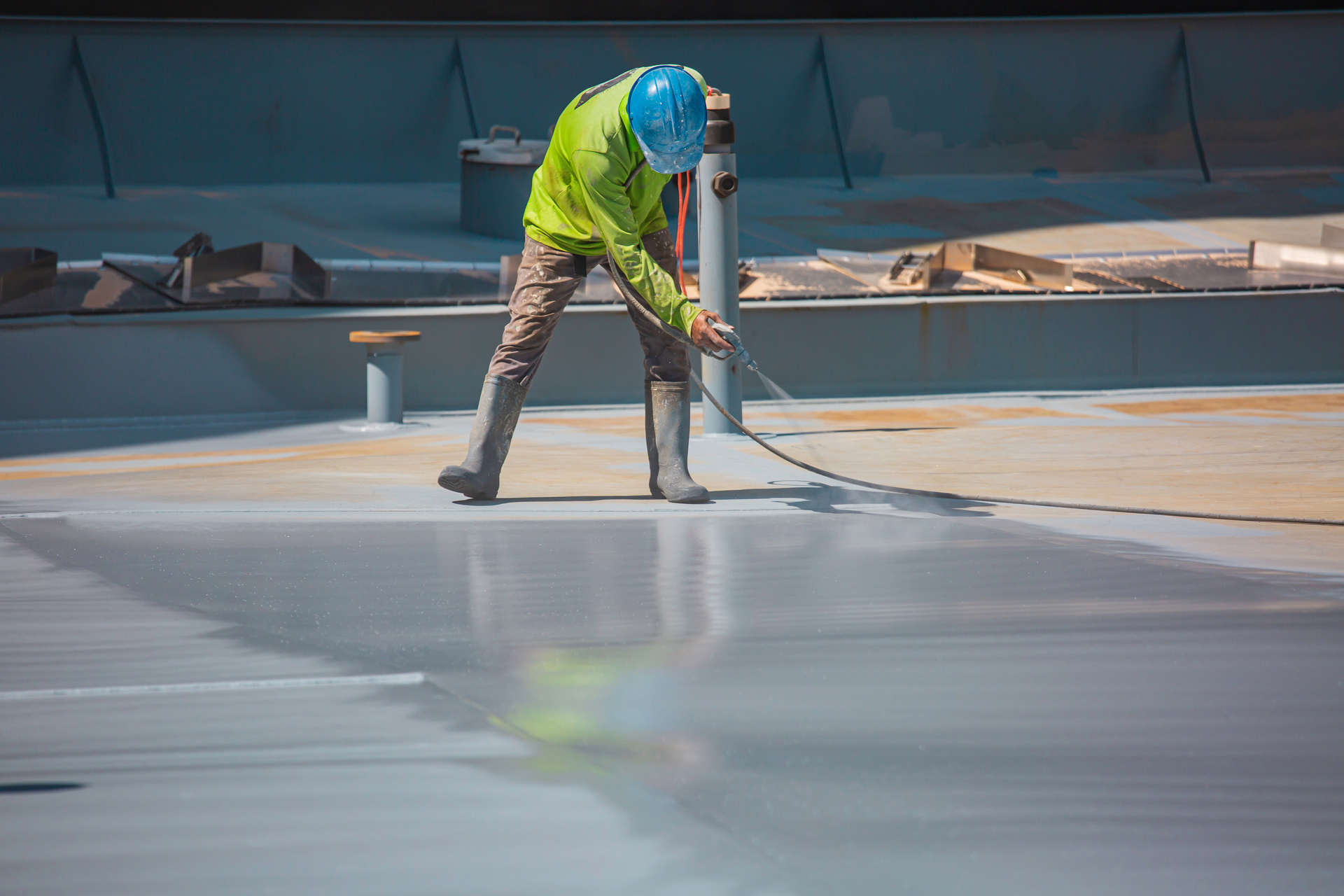
Roof coatings are commonly used on commercial and industrial buildings to address aging roof surfaces, improve weather resistance, and extend the service life of certain roofing systems. However, applying a new coating over an existing roof involves more than cleaning the surface and adding another layer of material.
Jaymar Construction LLC in Slidell, Louisiana, is providing information about factors building owners should consider before recoating an existing roof.
Roof coatings are fluid-applied materials designed to create a continuous protective membrane across an existing roofing surface. Depending on the roof assembly and coating product, systems may involve acrylic, silicone, polyurethane, or other materials formulated for specific applications and conditions.
Before recoating begins, the condition of the existing roof should be evaluated.
“Recoating starts with understanding what is already on the building,” said Jules Albert III, owner of Jaymar Construction LLC in Slidell, Louisiana. “The existing roof, previous coating, drainage conditions, moisture, seams, penetrations, and damaged areas all need to be examined before another coating is applied. Covering a problem does not necessarily correct the problem underneath.”
One important consideration is whether the existing roof remains suitable for a coating application.
Roof coatings are generally intended for roofing systems that retain sufficient structural and functional integrity. Significant deterioration, saturated insulation, widespread membrane failure, structural damage, or other substantial problems may require repairs or a different roofing approach before coating is considered.
Moisture beneath the existing roofing material can be particularly important.
Water trapped within a roof assembly may not always be visible from the surface. Applying another coating over existing moisture can potentially trap that moisture within the system rather than addressing the source.
Visual inspections, moisture testing, core samples, infrared scanning, or other evaluation methods may be used depending on the roof and circumstances.
Surface preparation represents another significant part of a recoating project.
Existing roofing surfaces can accumulate dirt, biological growth, oils, loose coating material, debris, and other contaminants. Those materials can interfere with adhesion between the existing surface and the new coating.
Cleaning requirements vary according to the roof type and coating manufacturer. Loose or deteriorated material may need to be removed, while damaged seams, flashing, fasteners, penetrations, and other components may require repairs before coating begins.
“Preparation can determine how the new coating interacts with the existing roof,” Albert said. “A coating needs an appropriate surface for adhesion. Dirt, loose material, moisture, or incompatible products can affect that bond, which makes preparation an important part of the process.”
Compatibility between the existing roof and the proposed coating also requires consideration.
Not every coating material can be applied directly over every existing roofing product. Chemical compatibility, adhesion characteristics, existing coatings, surface condition, and manufacturer requirements can influence material selection.
In some situations, primers or other preparation products may be required before a new coating is installed.
Drainage should also be evaluated.
Commercial roofs often contain drains, scuppers, gutters, internal drainage systems, and low areas intended to move water away from the building. Ponding water can indicate drainage problems, roof deflection, clogged drains, or other conditions requiring attention.
A coating does not change the fundamental slope or drainage design of a roof.
Areas where water regularly collects should therefore be examined before recoating rather than assuming another layer of material will correct the underlying drainage condition.
Roof penetrations deserve particular attention.
HVAC equipment, plumbing vents, electrical conduits, skylights, exhaust systems, pipes, curbs, and other penetrations create transitions within the roofing system. Flashing and sealant around these areas can deteriorate over time.
Recoating provides an opportunity to inspect those transitions and determine whether repairs are required before the new coating is applied.
Weather conditions can affect installation as well.
Roof coatings typically have manufacturer requirements concerning temperature, humidity, surface moisture, drying time, and potential rainfall. Louisiana's climate can make those considerations particularly relevant.
High humidity, afternoon thunderstorms, morning dew, and rapidly changing weather conditions can influence application schedules.
Coating thickness is another factor.
Roof coatings are typically installed according to specified coverage rates or dry-film thickness requirements. Applying too little material may not provide the intended finished membrane, while excessive application can create curing or performance issues depending on the product.
Multiple coats may be required for certain systems.
Recoating schedules can vary considerably based on coating type, exposure, roof conditions, installation quality, maintenance, weather, foot traffic, and other factors.
Regular roof inspections can help identify changes before deterioration becomes extensive.
Building owners may also want to maintain records concerning previous roof work. Information about the existing roofing membrane, coating manufacturer, installation date, repairs, warranty requirements, and maintenance history can be useful when evaluating future work.
Without those records, identifying existing materials can require additional investigation.
Foot traffic should also be considered.
Commercial roofs frequently contain mechanical equipment requiring periodic maintenance. Repeated traffic from HVAC technicians and other personnel can affect coated surfaces, particularly along commonly traveled paths.
Designated walkways or additional protection may be appropriate in areas receiving regular traffic.
Recoating an existing roof can be part of a long-term roof maintenance strategy when existing conditions are appropriate. The process, however, depends heavily on evaluation and preparation before the first coating material is applied.
Existing damage, trapped moisture, drainage problems, incompatible materials, deteriorated flashing, contaminated surfaces, and weather conditions can all affect the scope of a recoating project.
A roof coating may create a new protective surface, but the condition beneath that surface still matters.
For building owners considering recoating, understanding the existing roof is the logical place to begin.
Morgan Thomas
Rhino Digital, LLC
+1 504-875-5036
Visit us on social media:
Legal Disclaimer:
EIN Presswire provides this news content "as is" without warranty of any kind. We do not accept any responsibility or liability for the accuracy, content, images, videos, licenses, completeness, legality, or reliability of the information contained in this article. If you have any complaints or copyright issues related to this article, kindly contact the author above.

Media gallery