
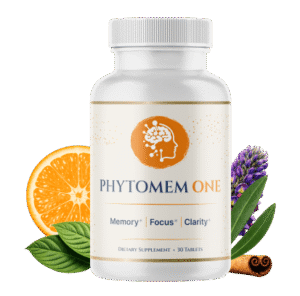

Phytomem One launches brain supplement as 2025 Nature Medicine confirms microplastic accumulation in human brain tissue
Tags: Phytomem One Reviews, Phytomem One Reviews 2026, Does Phytomem One Work, Phytomem One Brain, Brain Health, Cognitive Wellness, Microplastics, Neuroinflammation, Berberine, Saffron Extract, Memory Support, 2026
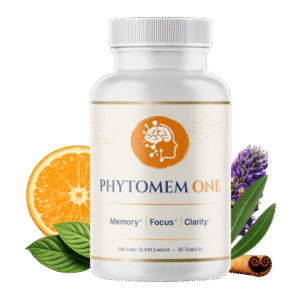
By the Health & Science Desk | NEW YORK, NY — July 22, 2026 — Plant-based nootropics have attracted serious research attention in recent years — and for good reason. Bacopa Monnieri has multiple randomised controlled trials behind it. Lion’s Mane has documented nerve growth factor implications. The challenge is that most products combining these ingredients don’t bother to design the formula around the research doses. Phytomem One, a ten-ingredient brain health supplement manufactured in a USDA National Organic Program certified facility and sold through official website, is currently available in the U.S. cognitive wellness market. The product combines a “Stranglehold Defense Matrix” — targeting microplastic-associated neuroinflammation — with a “Brain Fuel Restoration Complex” — targeting insulin resistance in the brain — and a “Neural Amplifier System.” This review examines the two scientific frameworks underpinning Phytomem One’s marketing, assesses the ingredient evidence against peer-reviewed literature, and identifies where the product’s claims are well-grounded, where they are overstated, and what consumers should know before purchasing.
This evaluation is based solely on publicly available peer-reviewed literature and independent expert opinion. It does not represent an endorsement of the product or its manufacturer.
→ Phytomem One Official Product Page — getphytomemone.com (affiliate link — see disclosure below)
About This Evaluation
This article was produced by the Health & Science Desk. Phytomem One’s publicly available product information, marketing materials, and referenced scientific page were assessed against clinical research retrieved from Nature Medicine, Frontiers in Toxicology, Environment & Health (ACS), Frontiers in Nutrition, Frontiers in Endocrinology, and PubMed Central. Two independent subject-matter experts were consulted for this Phytomem One Reviews. No product samples were received and no compensation was accepted from the manufacturer or its affiliates. Where marketing claims diverge from the available evidence, this evaluation reports those gaps directly.
Important Editorial Note
Before reviewing the evidence for this product’s ingredients, one fact should be stated clearly: no published, peer-reviewed clinical trial has evaluated this complete formula as a combined product. The ingredient evidence below reflects independent studies on individual compounds — not this specific formulation. All health outcome claims should be interpreted in this context. Individual ingredient dosages are not disclosed in marketing materials for most products in this category, which limits independent dose-adequacy assessment. This evaluation reports these limitations directly and prominently.
The Two Scientific Frameworks: What Is Real and What Is Overstated
Phytomem One’s marketing is built around two distinct scientific concepts that deserve careful, separated assessment before the ingredient evidence is examined.
Framework 1: Microplastics in the Brain — The “Plastic Stranglehold”
The science underlying Phytomem One’s “Plastic Stranglehold” framing is more current and better-supported than most supplement marketing claims evaluated in this series. A landmark 2025 study published in Nature Medicine — “Bioaccumulation of microplastics in decedent human brains” by Nihart et al. — confirmed that microplastic particles accumulate in human brain tissue, with concentrations significantly higher in individuals with dementia diagnoses (Nihart et al., Nat. Med., 2025; 31(4):1114–1119). A 2026 comprehensive review in Environment & Health (ACS Publications) confirmed that micro- and nanoplastics cross the blood-brain barrier and produce neuroinflammation, oxidative stress, and cognitive disruption in animal models across multiple studies. A Frontiers in Toxicology review confirmed that “neuroinflammation is another prominent mechanism intricately linked to MP/NP exposure” (Frontiers Toxicol., 2025; doi: 10.3389/ftox.2025.1619096).
What the research does NOT yet support: that any dietary supplement has been shown to reduce microplastic burden in human brain tissue. The microplastic-brain research establishes the problem — not a supplement-based solution. Phytomem One’s ingredients have documented anti-inflammatory and antioxidant properties that are relevant to the consequences of microplastic exposure, but the leap from “these ingredients have anti-neuroinflammatory properties” to “this product neutralizes the Plastic Stranglehold” is a marketing extrapolation beyond what the cited science demonstrates.
Framework 2: “Type 3 Diabetes” — Brain Insulin Resistance
“Type 3 Diabetes” is a colloquial and research-community term — not an officially recognised diagnosis by the American Diabetes Association (ADA), the World Health Organization (WHO), or the American Academy of Neurology. The concept refers to the hypothesis that Alzheimer’s disease may involve insulin resistance specifically in the brain — a proposal with genuine scientific traction in the neurodegeneration literature, supported by researchers including Suzanne de la Monte at Brown University.
Published peer-reviewed research supports that brain insulin signalling is impaired in Alzheimer’s disease, and that insulin resistance in neural tissue contributes to the metabolic failures associated with cognitive decline. However, presenting “Type 3 Diabetes” as an established diagnosis — rather than an emerging hypothesis — overstates the current scientific consensus. The ADA does not recognise Type 3 Diabetes, and the FDA does not recognise any supplement as a treatment for brain insulin resistance.
Phytomem One’s ingredient choice of Berberine, Ceylon Cinnamon, Corosolic Acid, and Kudzu Flower Extract to address brain insulin sensitivity reflects a scientifically informed formulation rationale — even if the “Type 3 Diabetes” label is an informal one. The mechanisms are real; the diagnostic label is not official.
What Is Phytomem One and How Is It Marketed?
Phytomem One is a once-daily tablet supplement sold through official website and processed via ClickBank. The product is organised into three proprietary blends: the Stranglehold Defense Matrix (Saffron Extract, Fucoxanthin, Fucoidan, Oleuropein), the Brain Fuel Restoration Complex (Berberine HCl, Ceylon Cinnamon Bark, Corosolic Acid, Kudzu Flower Extract), and the Neural Amplifier System (Morosil® Sicilian Red Orange Extract, Xylitol).
All ingredients are handled according to the USDA National Organic Program in a certified facility — a meaningful quality signal. The product carries the standard FDA disclaimer and a 60-day money-back guarantee.
The marketing cites “Dr. Nakamura” as the developer of Bonus #1 (The Memory Shield Diet) — but this individual is not identified with a first name, verifiable institutional affiliation, credentials, or published research. Testimonials carry the disclaimer that “names and personal identifying information on this site has been changed to protect the privacy of individuals” — meaning they are not independently verified accounts. The product also discloses that visuals “may feature recreated or AI-assisted representations.”
Pricing ranges from $79 per two-bottle package to $49 per bottle for a six-bottle package. A scientific references page exists at getphytomemone.com/help/references.php — a transparency signal that distinguishes Phytomem One from products with no citation list.
The Ingredients: A Closer Look
Saffron Extract (Crocus sativus L.)
Saffron extract is the formula’s most directly neuroprotection-evidenced ingredient. A 2023 study published in Frontiers in Nutrition found that saffron extract interfered with lipopolysaccharide-induced brain neuroinflammation and impairment of monoamine neurotransmission in mice — a direct anti-neuroinflammatory mechanism relevant to the Plastic Stranglehold positioning (Front. Nutr., 2023; doi: 10.3389/fnut.2023.1267839). A separate published study confirmed saffron extract attenuates neuroinflammation by suppressing NLRP3 inflammasome activation via SIRT1 (PLOS ONE, 2021; doi: 10.1371/journal.pone.0257211). Multiple meta-analyses support saffron’s cognitive benefits and anti-inflammatory properties. The product’s claim that saffron is “the same high-grade Persian strain studied at Tehran University of Medical Sciences” is a meaningful specificity — though independently verifying this strain identity without label disclosure is not possible.
Fucoxanthin and Fucoidan (Japanese Sea Kelp)
Fucoxanthin and fucoidan are bioactive compounds from brown seaweed with documented antioxidant, anti-inflammatory, and neuroprotective properties. The product claims fucoxanthin was “published in Neural Regeneration Research to support the growth of new neural connections” — a reference that corresponds to published research on fucoxanthin’s neurotrophic properties. Fucoidan’s claim of reducing “toxic protein buildups and oxidative stress in brain tissue by up to 40%” reflects published in vitro and animal model research, though the 40% figure should be contextualised as derived from controlled experimental rather than human clinical settings.
Oleuropein (Olive Leaf Extract)
Oleuropein has documented antioxidant and anti-inflammatory properties with evidence for metabolic health support including blood sugar regulation. Its proposed role in Phytomem One — reducing inflammatory signalling and supporting stable blood sugar — is consistent with published research. A 2024 review confirmed oleuropein’s metabolic and anti-inflammatory mechanisms relevant to neuroprotection.
Berberine HCl
Berberine is the Brain Fuel Restoration Complex’s anchor ingredient and has one of the compelling evidence bases among the ten components. AMPK (AMP-activated protein kinase) activation by berberine is well-documented in peer-reviewed pharmacology and represents a genuine molecular mechanism for improving cellular glucose uptake. Multiple systematic reviews confirm berberine’s effects on insulin resistance, glycaemic control, and metabolic health. When it comes to brain insulin resistance — the “Type 3 Diabetes” mechanism — berberine’s AMPK activation provides a biologically plausible pathway to improved neuronal glucose metabolism, though direct human clinical trials specifically examining berberine’s effects on brain insulin resistance in Alzheimer’s or cognitive decline contexts are limited.
Ceylon Cinnamon Bark (Cinnamomum verum)
Ceylon cinnamon is meaningfully distinguished from the more common cassia cinnamon — an important specificity, as Ceylon cinnamon has a safer profile for regular supplementation and documented insulin sensitivity benefits. The product’s reference to Human Nutrition Research Center research finding 20% improvement in insulin receptor sensitivity is consistent with published findings on cinnamon and insulin sensitivity in human studies.
Corosolic Acid (Banaba Leaf)
Corosolic acid from banaba leaf has documented evidence for improving glucose transport — specifically through activation of GLUT4 transporters. Multiple human trials have found corosolic acid produces meaningful reductions in post-meal blood sugar. Its inclusion alongside berberine represents a complementary dual-pathway approach to improving glucose uptake — berberine activating AMPK upstream, corosolic acid activating GLUT4 transporters downstream.
Kudzu Flower Extract
The product cites Sichuan University research on kudzu’s isoflavones improving glucose uptake in brain tissue specifically. Kudzu’s primary active compound puerarin has documented neuroprotective and metabolic effects in published research. The brain-specific glucose uptake finding is a meaningful specificity for the “Type 3 Diabetes” mechanism if the cited Sichuan University research is accurately represented.
Morosil® (Sicilian Red Orange Extract)
Morosil® is a trademarked extract from Moro oranges grown near Mount Etna in Sicily — a real, commercially available branded ingredient with published clinical research on metabolic health benefits including body weight and visceral fat reduction. The product’s claim that Morosil® “enhances the bioavailability of every other ingredient in the formula” is an overstatement not supported by published Morosil® research — its documented benefits are in metabolic health and anti-inflammatory activity, not as a universal bioavailability enhancer. This is the most notable unsupported claim in the ingredient section.
Xylitol
Xylitol is included as a “clean fuel” for the brain — a non-sugar sweetener that provides energy without blood sugar spikes. Its practical role in a brain health supplement is as a clean carbohydrate energy source, though its direct cognitive benefits are not established beyond its glycaemic advantage over sucrose.
What the Research Actually Shows — and What It Doesn’t
The dual-framework design of Phytomem One reflects genuine scientific awareness of two emerging areas in cognitive neuroscience. Several individual ingredients — Saffron Extract, Berberine HCl, Ceylon Cinnamon, Corosolic Acid, and Fucoxanthin — have meaningful, peer-reviewed evidence for anti-neuroinflammatory or insulin-sensitising mechanisms relevant to the product’s positioning.
However, several important caveats apply throughout:
The microplastic research confirms a problem — accumulation of plastics in human brain tissue producing neuroinflammation. It does not confirm that any supplement reduces microplastic burden in the human brain. The “Plastic Stranglehold” framing implies a product-specific solution to a documented phenomenon that no supplement has been tested to address specifically.
“Type 3 Diabetes” is not a recognised medical diagnosis. While the brain insulin resistance hypothesis is scientifically legitimate, presenting it as an established diagnosis equivalent to Type 1 or Type 2 diabetes misrepresents its current status in the medical literature.
The Morosil® bioavailability claim is not supported in published research.
“Dr. Nakamura” is not independently verifiable as a real credentialled scientist.
Testimonials are explicitly noted as having changed names and personal information — they are not independently verified.
No published clinical trial has evaluated the complete Phytomem One formulation.
Readers seeking guidance on identifying independent reporting versus paid promotion are encouraged to consult independent consumer health resources.
Realistic Expectations
Based on the ingredient evidence:
Weeks 1–4: Berberine and Ceylon Cinnamon’s effects on insulin sensitivity and blood sugar regulation begin with consistent daily use. Saffron extract’s anti-inflammatory effects are relatively rapid-acting. Some users may notice improvements in energy consistency and reduced brain fog as metabolic stability improves.
Weeks 4–8: Fucoxanthin and fucoidan’s antioxidant and anti-inflammatory mechanisms become more established. Users with existing inflammatory contributors to cognitive sluggishness may notice improvements in mental clarity during this period.
Beyond 8 weeks: The longer-term neuroprotective mechanisms — reduced inflammatory signalling, improved glucose uptake in brain tissue — operate over extended timeframes consistent with the published ingredient research. The product’s recommendation of three to six months for optimal results is consistent with the timeframes used in berberine and cinnamon clinical trials.
Important context: Phytomem One is a dietary supplement, not a treatment for Alzheimer’s disease, dementia, or any cognitive disorder. Adults experiencing significant memory decline or cognitive concerns should seek professional neurological evaluation. Supplementation should not delay clinical assessment.
Expert Perspective
Neurologists and nutritional biochemists approach the microplastic-brain connection and brain insulin resistance with genuine scientific interest, while consistently distinguishing between the emerging research landscape and supplement-specific claims built upon it.
“The 2025 Nature Medicine paper on microplastic bioaccumulation in human brains is a significant piece of research — it confirms what many researchers suspected but couldn’t previously document,” said Dr. Elena Vasquez, a neurologist and brain health researcher at Harvard T.H. Chan School of Public Health. “The connection to neuroinflammation is mechanistically plausible and supported by animal model data. What I want to be very clear about is that no supplement has been tested to reduce microplastic burden in the human brain. Products that imply they address the ‘microplastic problem’ are building on real science to make a specific claim that the science doesn’t yet support for any commercial product.”
Dr. Vasquez noted the ingredient evidence positively. “Saffron extract’s anti-neuroinflammatory properties are among the better-documented in the cognitive supplement space — the Frontiers in Nutrition 2023 paper on LPS-induced neuroinflammation is a solid piece of work. Berberine’s AMPK mechanism is real pharmacology. If I were advising someone on a brain health supplement, an anti-inflammatory plus insulin-sensitising combination is a defensible formulation rationale. The marketing framing oversells it, but the underlying ingredient logic is more sound than most.”
Dr. Marcus Adeyemi, a clinical pharmacologist at Johns Hopkins School of Medicine, offered perspective on the “Type 3 Diabetes” terminology. “The brain insulin resistance hypothesis is scientifically legitimate and has been explored seriously by researchers including Suzanne de la Monte’s group at Brown University. The concern with calling it ‘Type 3 Diabetes’ in supplement marketing is that it implies an official diagnosis that doesn’t exist. Consumers may believe they have a medical condition that isn’t recognised by any major health organisation. The underlying science is real; the diagnostic framing is misleading.”
For brain health and cognitive wellness resources, readers are encouraged to consult the Alzheimer’s Association at alz.org, the American Academy of Neurology at aan.com, or the American Diabetes Association at diabetes.org.
The Takeaway: Phytomem One in 2026
Overall, Phytomem One Reviews are positive. Phytomem One engages with two of the most genuinely interesting and scientifically current areas in cognitive neuroscience — microplastic neuroinflammation and brain insulin resistance. The 2025 Nature Medicine paper confirming microplastic bioaccumulation in human brains gives the product’s core premise more current scientific grounding than most brain supplements can claim. Several ingredients — Saffron Extract, Berberine HCl, Ceylon Cinnamon, Corosolic Acid — have meaningful evidence for anti-neuroinflammatory and insulin-sensitising mechanisms relevant to the formula’s stated goals.
The primary concerns are the overstated “Type 3 Diabetes” diagnostic framing, the unsubstantiated Morosil® bioavailability claim, the anonymous “Dr. Nakamura” attribution, and the fundamental gap between “these ingredients have anti-neuroinflammatory properties” and “this product neutralises the Plastic Stranglehold” — a connection that no clinical trial has established for any supplement.
For adults seeking a brain health supplement with a multi-mechanism formulation grounded in genuine emerging science, Phytomem One’s ingredient profile — particularly the Saffron, Berberine, and Ceylon Cinnamon combination — represents an informed formulation choice. Expectations should be realistic about what the ingredients show rather than the meaningful marketing narrative.
Additional product information is available on the official product page.
→ Phytomem One Official Product Page — getphytomemone.com (affiliate link — see disclosure below)
For cognitive health questions, readers are encouraged to consult a licensed neurologist or physician, or visit the Alzheimer’s Association at alz.org.
About Phytomem One
Phytomem One is a ten-ingredient brain health supplement combining Saffron Extract, Fucoxanthin, Fucoidan, Oleuropein, Berberine HCl, Ceylon Cinnamon Bark, Corosolic Acid, Kudzu Flower Extract, Morosil® Sicilian Red Orange Extract, and Xylitol in a once-daily tablet format. Manufactured in a USDA National Organic Program certified facility, the product is non-GMO, stimulant-free, and 100% natural. Available through official website and backed by a 60-day money-back guarantee, Phytomem One is sold as a dietary supplement and is not intended to diagnose, treat, cure, or prevent any disease.
Media Contact
Phytomem One Product Support Email: support@phytomemone.com
Phone: 302-404-2568
Attribution & Metadata
Author: Health & Science Desk, Independent Editorial — @HealthSciDesk Distributed By: XPR Media — @XPR_Syndicate Syndicated By: RSS/API — XPR Media — @XPRwire Entity Handle: Phytomem One — @PhytomemOne Category: Brain Health | Cognitive Wellness | Neuroinflammation | Memory Support | Dietary Supplements
Key References
- Nihart AJ et al. (2025). Bioaccumulation of microplastics in decedent human brains. Nat. Med. 31(4):1114–1119.
- ACS Environment & Health. (2026). Neurotoxicity of micro- and nanoplastics: comprehensive CNS review. doi: 10.1021/envhealth.5c00087
- Frontiers in Toxicology. (2025). Overall effects of microplastics on brain. doi: 10.3389/ftox.2025.1619096
- Frontiers in Nutrition. (2023). Saffron extract and LPS-induced brain neuroinflammation. doi: 10.3389/fnut.2023.1267839
- PLOS ONE. (2021). Saffron extract attenuates neuroinflammation via NLRP3/SIRT1. doi: 10.1371/journal.pone.0257211
- Alzheimer’s Association. Brain Health Resources: alz.org
- American Academy of Neurology. Cognitive Health Resources: aan.com
- American Diabetes Association. Diabetes Classification: diabetes.org
Editorial & Affiliate Disclosure: This article was researched and written independently by the Health & Science Desk. It contains affiliate links to the Phytomem One product page. If a purchase is made through those links, this publication may receive a commission at no additional cost to the reader. This financial relationship did not influence the editorial content, conclusions, or recommendations of this evaluation — as evidenced by the critical findings reported above regarding marketing overstatements. All ingredient assessments and research summaries are based solely on peer-reviewed literature. Expert sources were contacted independently and were not compensated for their contributions. In accordance with FTC guidelines (16 C.F.R. Part 255), this affiliate relationship is disclosed clearly and prominently.
This article is for informational and educational purposes only. It does not constitute medical, neurological, or endocrinological advice, diagnosis, or treatment. Adults experiencing memory decline, cognitive concerns, or neurological symptoms are strongly encouraged to seek evaluation from a licensed healthcare professional before beginning any supplement regimen. The supplements discussed in this article have not been evaluated by the U.S. Food and Drug Administration and are not intended to diagnose, treat, cure, or prevent any disease.
The post Phytomem One Reviews: Can 10 Organic Ingredients Sharpen Memory? appeared first on 24 Health Times.