



Mianyang, Sichuan, China - October 24, 2026
Buying wholesale Silk Pajamas isn’t just about picking a shiny fabric or fancy packaging. There’s more to it—like, you need some solid proof behind your choices. According to Textile Exchange’s 2024 Materials Market Report, silk is a pretty niche, specialty fiber. Because supply is limited, it’s super important to keep an eye on traceability, quality control, and making sure your suppliers stay consistent. And it’s not just me saying that—Grand View Research also reports that the global silk market is still growing, mainly thanks to premium clothing and the increasing popularity of natural fibers. These trends are definitely a good thing, but they also mean you’ve gotta watch out for vague claims and inconsistent specs that can pop up out of nowhere.Fritz Vollrath, a silk biologist and researcher at Oxford, calls silk “a remarkable material”. And honestly, that’s true — it can feel cool, super soft, and breathable. But, and here’s the catch, silk can also weaken if it’s poorly dyed, rough-finished, or if you don’t follow proper washing instructions. So, if you’re buying wholesale, you’ve really gotta check those details carefully.This guide shares 10 practical tips for vetting your silk pajamas suppliers. It covers stuff like momme weight (that fabric density thing), fiber makeup, stitching quality, sizing accuracy, colorfastness, certifications, packaging, samples, pricing, and how reliable they are when you need to reorder. Keep in mind — a sample might look perfect under showroom lights, but real-world testing might tell a different story.Also, using search terms like Silk Victoria Secret Pajamas can get you all tangled up. It’s crucial to verify who actually owns the brand, whether the product is authentic, and if the seller is an authorized distributor. Just because something looks similar doesn’t mean it’s connected. Be cautious!The bottom line? Low prices can be tempting and sometimes even useful, but they don’t automatically mean good quality. Always ask for test reports, production photos, and a clear, written specification sheet. Take your time comparing everything carefully — mistakes happen, sure. But a thoughtful approach to sourcing can save you a lot of headaches and money in the long run.
 Define Your Target Market and Wholesale Needs
Before sourcing Silk Pajamas wholesale, define the customer you can serve repeatedly.
Are they boutique shoppers seeking luxury gifts, or online buyers wanting breathable sleepwear under a fixed budget?
Textile Exchange’s Materials Market Report 2024 reported 124 million tonnes of global fiber production in 2023, while silk remained a small, premium segment.
That contrast matters: your opportunity is narrower, but customers may expect stronger quality evidence.
Start narrowly.
Write a one-page buyer profile with age, climate, preferred colors, size range, and target retail price. Then calculate wholesale needs from realistic sales, not optimism.
A small boutique may test 30 to 60 sets, while a larger seller may require graded sizes and repeat delivery.
Ask suppliers for silk type, momme weight, weave, shrinkage results, colorfastness testing, care labels, and sample approval terms.
A 19-momme charmeuse set feels different from a lightweight imitation fabric, even under warm store lighting. Verify composition through independent testing when the order is significant.
Numbers can mislead. Grand View Research has projected strong growth for the silk market, but growth does not guarantee your pajamas will sell.
My own buying mistake would be overestimating seasonal demand and ordering too many pale colors. Leave room for a smaller trial, customer feedback, and one measured reorder.
Compare Silk Types, Grades, and Pajama Construction
When buying Silk Pjs wholesale, compare the silk itself before judging color or packaging. Mulberry silk usually feels smooth, uniform, and gentle against the skin. Tussar silk has more texture and a slightly uneven surface. Habotai silk is lighter, but it may feel less substantial for regular sleepwear. Charmeuse describes a satin weave, not a separate silk species. Its glossy front and duller back create a noticeable contrast.Momme weight helps estimate fabric density. For pajamas, 16 to 22 momme often balances softness, durability, and breathability. Lower weights can look attractive but may become transparent or tear near the seams. Higher weights feel richer, though they may sleep warmer. Silk grades also need careful checking. A 6A label sounds precise, but grading systems can differ between suppliers. Ask for fabric samples, test colorfastness, and inspect the reverse side under bright light. I still get this wrong sometimes.Pajama construction reveals practical quality. Check whether seams are straight, enclosed, and firmly stitched. Flat seams reduce rubbing around the shoulders and inner legs. A wide, flexible waistband should hold its shape without pressing the stomach. Examine buttonholes, cuffs, and pocket corners closely; loose threads often appear there first. Compare shrinkage after a gentle wash test, not only before delivery. A beautiful sample can mislead. Wholesale buyers should also confirm measurement tolerances, care labels, and replacement terms in writing.
10 Tips for Buying Silk Pajamas Wholesale: Compare Silk Types, Grades, and Pajama Construction
Typical momme ranges help buyers compare fabric weight before requesting samples. Higher momme generally indicates a denser silk fabric, but softness, durability, and price also depend on the fiber quality, weave, finishing, and garment construction.
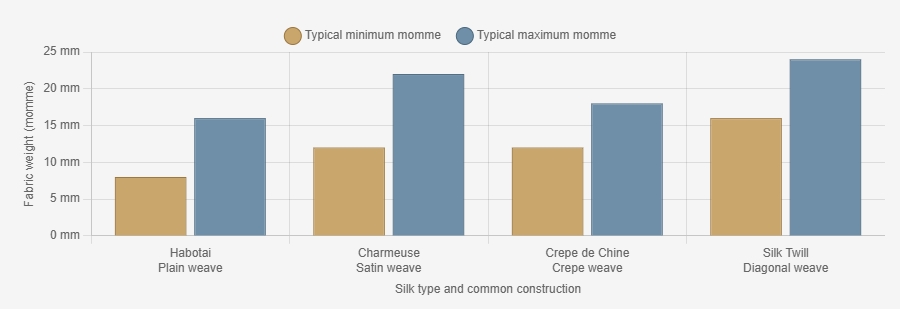
How to use this chart: Habotai is usually a lightweight plain-weave silk, charmeuse uses a smooth satin weave, crepe de chine has a slightly pebbled crepe texture, and silk twill has a diagonal weave that is typically more structured. Common silk grade labels such as 6A describe raw-silk quality, but grading systems are not fully standardized across suppliers. For wholesale pajamas, also check seam density, bar-tacked stress points, elastic recovery, colorfastness, shrinkage, and whether the listed momme applies to the finished fabric.
Verify Supplier Credentials, Samples, and Production Standards
Buying silk pajamas wholesale starts with supplier verification, not attractive photography. Request the registered company name, factory address, export history, and responsible contact. Confirm certificates directly with issuing organizations. A polished PDF can be outdated. Ask for a recent audit report, production photos, and a traceability record for silk yarn. The Textile Exchange Materials Market Report 2024 states that global fiber production reached 124 million tonnes in 2023. That scale makes material claims worth checking carefully.Order samples before discussing large quantities. Inspect the silk under natural light. Look for uneven slubs, weak seams, loose buttons, and inaccurate size labels. Record fabric weight, weave, momme, shrinkage, and color changes after washing. Request test results for colorfastness and seam strength using recognized AATCC or ISO methods. Do not accept “100% silk” without fiber-composition testing. Small differences matter. A soft sample may hide poor finishing.Production standards need evidence on the factory floor. Ask how workers measure cutting accuracy, needle damage, pressing temperature, and final inspection rates. Compare the approved sample with a pre-shipment unit from the actual batch. The International Sericultural Commission reports that China and India remain major silk-producing countries, so origin alone does not prove quality. It is also useful to verify packaging, carton moisture protection, and defect allowances in writing. I would not rely on one inspection. Even experienced buyers miss details when deadlines tighten. If your product page uses the phrase Victoria's Secret Silk Pjs, confirm that all wording and packaging remain legally appropriate and factually accurate.
Evaluate Wholesale Pricing, Minimum Orders, and Payment Terms10 Tips for Buying Silk Pajamas Wholesale?
Evaluate Wholesale Pricing, Minimum Orders, and Payment TermsTip: Request a complete quote before discussing discounts. It should show fabric grade, garment weight, packaging, shipping, and sampling fees. A low unit price can hide expensive alterations or weak stitching. In my sourcing experience, comparing three written quotes reveals the realistic market range. Check whether the price applies to pure silk or a blended fabric. Ask for the exact silk percentage. Feel the sample first.
Tip: Confirm the minimum order quantity for each color and size. Some suppliers quote a low minimum, then require large color batches. Ask whether repeat orders can use smaller quantities. Calculate your cash commitment, not just the price per piece. For example, 300 sets at 18 dollars require 5,400 dollars before freight. That number changes the decision. Leave room for defects and unsold sizes.
Tip: Read payment terms carefully. A deposit may be reasonable, but the balance should connect to inspection or shipment evidence. Confirm accepted currencies, bank fees, refund conditions, and production timing. Avoid sending money to an unrelated personal account. Keep every agreement in writing. Do not rely on chat promises alone.
Tip: Search terms such as “Pajamas Victoria Secret Sale” may produce retail results, not reliable wholesale comparisons. Verify the supplier’s business records, factory photos, sample quality, and response history. Ask for a pre-production sample. I once underestimated packaging costs; that mistake reduced the expected margin. Build a small contingency budget. Silk prices can move unexpectedly.
Check Sizing, Customization, Packaging, and Labeling Options
When buying silk pajamas wholesale, sizing deserves more attention than a beautiful product photo. Request a detailed measurement chart for the chest, waist, hip, sleeve, and inseam. Fit comes first. Compare these measurements with your customers’ preferences, not only standard size labels. Order a pre-production sample and wash it as instructed. Silk can change slightly after handling, and a loose sleeve may become a costly complaint. Ask how the supplier grades each size and whether measurements are checked during production.Customization should be tested in small steps. Discuss silk weight, color, piping, buttons, embroidery, and seam construction before confirming a large order. A clear specification sheet reduces misunderstandings. I would request one sample with the final logo placement, thread color, and label position. Small details matter. However, customization can increase minimum order quantities and lead times. I once underestimated the effect of a darker dye on the fabric’s hand feel; the color looked right, but the pajamas felt less smooth. A second sample would have prevented that mistake.Packaging should protect the fabric without creating unnecessary waste. Check whether each set uses tissue paper, a reusable pouch, or a carton, and inspect folding marks after delivery. Labeling must show accurate fiber content, care instructions, size, and required origin details for the intended market. Requirements differ by destination, so verify them with a qualified local adviser. Keep approved samples, measurement records, and packaging proofs together. That paper trail helps resolve quality disputes when production does not match the original agreement.
10 Tips for Buying Silk Pajamas Wholesale? – Check Sizing, Customization, Packaging, and Labeling Options
Wholesale specifications should be confirmed in writing and reviewed against the regulations of the destination market before production.
| Tip | Key Area | What to Check | Practical Wholesale Guideline | Why It Matters |
|---|---|---|---|---|
| 1 | Verify the Silk Fiber | Confirm whether the garment is made from 100% silk, a silk blend, or synthetic satin. Request the fiber composition shown on the product specification and care label. | Preferred: 100% silk for a natural luxury product. Common silk constructions include charmeuse, habotai, twill, and crepe de chine. | “Satin” describes a weave or surface appearance, not necessarily the fiber. Clear fiber information helps prevent product-positioning and labeling problems. |
| 2 | Compare Fabric Weight | Ask for the fabric weight in momme, a traditional unit used for silk. Compare swatches under the same lighting before placing a bulk order. | Useful range: approximately 16–22 momme for many lightweight-to-medium silk sleepwear applications; the ideal weight depends on the design and season. | Higher momme generally indicates a denser fabric, but it does not by itself guarantee softness, drape, colorfastness, or construction quality. |
| 3 | Build a Detailed Size Chart | Review finished garment measurements for bust, waist, hip, shoulder, sleeve length, inseam, and total length. Check whether measurements are in centimeters or inches. | Use a graded size chart with clear tolerances, such as ±1–2 cm where appropriate. Include body-measurement guidance and the intended fit: relaxed, regular, or slim. | Silk fabric has limited stretch in most woven constructions, so accurate measurements reduce returns and inconsistent fit across sizes. |
| 4 | Order a Pre-Production Sample | Inspect stitching, seam allowance, button attachment, piping, elastic recovery, print placement, and the way the fabric behaves after laundering. | Do not approve only from photos. Keep an approved, dated sample or signed specification sheet as the production reference. | A physical sample reveals workmanship and fit issues that are difficult to identify in digital images or technical drawings. |
| 5 | Define Customization Scope | List the available options for color, print, piping, buttons, collar shape, sleeve length, pocket placement, embroidery, and size grading. | Ask for separate minimum order quantities and setup charges for stock colors, custom colors, custom prints, and special trims. | Customization can affect fabric purchasing, sampling time, production scheduling, and the final unit cost. |
| 6 | Confirm Color Standards | Specify the color reference, approval method, acceptable shade tolerance, and whether the color is intended for solid dyeing or printing. | Approve a lab dip or print strike-off before bulk production. Request colorfastness information for washing, rubbing, perspiration, and light exposure when relevant. | Silk can show shade variation between dye lots, and monitor colors may not match the final fabric. |
| 7 | Plan Packaging Carefully | Choose between individual polybags, reusable fabric bags, paper boxes, folding cartons, tissue paper, hangtags, and protective inserts. | Confirm package dimensions, material composition, artwork approval, barcode placement, carton quantity, and whether packaging is included in the quoted price. | Packaging affects presentation, storage space, shipping volume, sustainability claims, and total landed cost. |
| 8 | Review Labeling Requirements | Check the required fiber content, country of origin, care instructions, size, importer or responsible-party information, and language requirements for each sales market. | Use durable labels that remain legible after care. Confirm label position, dimensions, sewing method, and whether printed or woven labels are required. | Labeling rules vary by destination, so the buyer should verify current local requirements before production and shipment. |
| 9 | Calculate the Complete Cost | Compare the unit price together with sampling fees, custom dye or print charges, trims, labels, packaging, inspection, freight, duties, and payment fees. | Request a written quotation that states the price basis, currency, Incoterm, validity period, lead time, minimum order quantity, and payment schedule. | The lowest garment price may not be the lowest total cost after customization, logistics, import charges, and packaging are included. |
| 10 | Set Quality and Delivery Controls | Agree on acceptable workmanship standards, measurement tolerances, defect definitions, inspection timing, carton markings, and delivery milestones. | Use a pre-shipment inspection based on the approved sample and purchase specifications. Confirm how shortages, defects, late delivery, and rework will be handled. | Written quality criteria create a shared reference and make wholesale orders easier to inspect and manage. |
Review Shipping Policies, Quality Control, and Return Procedures
10 Tips for Buying Silk Pajamas WholesaleWhen buying silk pajamas wholesale, treat shipping terms as part of the product cost. Tip 1: Confirm processing time in writing. Tip 2: Check whether shipping is prepaid or charged separately. Tip 3: Ask about customs documents, duties, and delivery responsibility. Tip 4: Request a tracking number for every carton. Tip 5: Review packaging details, especially moisture protection and size labels. A delayed shipment can damage seasonal sales.Quality control deserves equal attention. Tip 6: Order samples before placing a bulk order. Examine the fabric under natural light. Check stitching, seam strength, button attachment, and color consistency. Tip 7: Confirm the silk fiber content and fabric weight on the purchase documents. Tip 8: Ask how many pieces are inspected before dispatch. A written inspection checklist is useful. I once trusted a supplier’s verbal promise and missed uneven sleeve lengths in a small batch. That mistake was avoidable.Return procedures must be specific, not comforting. Tip 9: Confirm the deadline for reporting defects and the required evidence. Photos, videos, batch numbers, and packaging records may be necessary. Tip 10: Clarify who pays return freight and whether replacement or credit is offered. Read exclusions carefully. Some policies reject opened packages, but that can make defects difficult to prove. Request a written resolution timeline. Keep invoices, inspection notes, and delivery records together. Small gaps in paperwork can become expensive later.
Conclusion
Buying Silk Pajamas wholesale requires more than finding an attractive price. Start by defining your target customers, preferred styles, expected order volume, and sales channels. Compare silk types, grades, fabric weight, stitching, seams, and overall construction to ensure the products match your quality expectations. Before placing a large order, verify the supplier’s business credentials, request samples, and review production standards. Samples can help you assess softness, durability, color consistency, fit, and finishing details.You should also examine wholesale pricing, minimum order quantities, payment terms, and potential extra costs. Confirm available sizes, customization services, packaging choices, and labeling options so the products fit your business needs. Finally, review shipping timelines, inspection procedures, quality control measures, and return or replacement policies. Clear communication and written agreements can reduce misunderstandings, control costs, and help you build a reliable wholesale supply process.
About Us
We are a professional manufacturer for different styles of women and men's innerwear. Our company's products are committed to the forefront of fashion trends, to show the fashion elements in a simple style, and to ensure the comfort and safety of products.
Media Contact
Company Name: Sichuan Ledan Commercial and Trading Co., Ltd.
Contact Person: Media Relations
Email: Send Email
Country: China
Website: https://www.lodanve.com/
Press Release Distributed by ABNewswire.com
To view the original version on ABNewswire visit: Strategic Guide Reveals Essential Factors for Purchasing Wholesale Silk Pajamas