

HENGSHUI , HEBEI, CHINA, July 29, 2026 /EINPresswire.com/ -- The global construction industry is undergoing a significant paradigm shift driven by stringent energy efficiency directives, rising operational costs, and an escalating commitment to sustainable infrastructure development. As regulatory frameworks worldwide tighten baseline thermal requirements for commercial, industrial, and cold-chain structures, the demand for advanced building envelope technologies has intensified. Within this landscape, high-performance building envelopes serve as the primary defensive barrier against thermal transfer, rendering material engineering the foundational pillar of modern green architecture. Among the structural solutions available, polyurethane insulated systems have emerged as an industry benchmark for thermal performance. For specialized supply chains, identifying a highly competent China Polyurethane sandwich panel Manufacturer has become a critical strategic objective for global engineering firms, procurement managers, and real estate developers seeking to balance cost-effectiveness with rigorous international compliance.
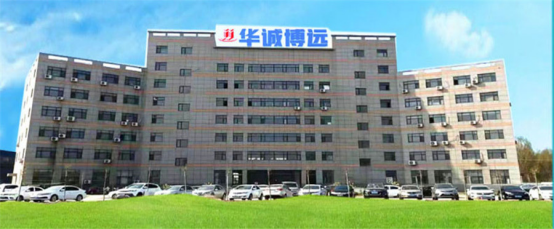
As the high-end building panel experimental and production base of the Huacheng Boyuan engineering computing group, HuaCheng BoYuan Hebei Building Materials Technology Co., Ltd. represents a comprehensive enterprise integrating research and development, manufacturing, sales, and architectural maintenance system services. By investing tens of millions to introduce advanced online automatic operation mixing pouring technology alongside an automatic cotton continuation system production line, the company manufactures sandwich panel systems characterized by high mechanical strength, structural durability, sound insulation, and fire prevention. The deployment of automated technology allows the manufacturing line to complete precise mixture ratios online in a single continuous process, automatically adjusting operations in real-time based on ambient temperature variables to ensure absolute structural consistency. Understanding the precise materials engineered into these high-efficiency building envelopes reveals why specialized manufacturing centers remain integral to fulfilling global thermal efficiency targets across complex industrial applications.
1. High-Density Rigid Polyurethane (PU/PIR) Core Foam
The primary insulating mechanism governing high-efficiency building envelopes rests on the chemical engineering of the core material. Rigid polyurethane (PU) and polyisocyanurate (PIR) foams serve as the primary barrier against conductive heat transfer. The structural efficacy of this material is dictated by its exceptionally low thermal conductivity, with a typical initial thermal conductivity ranging from λ = 0.018 w/m·k to λ = 0.024 w/m·k. This thermodynamic property ensures that structural envelopes can achieve high thermal resistance (R-value) with minimal cross-sectional thickness, thereby maximizing the usable internal volume of the building footprint while dramatically reducing heating and cooling demands.
From a manufacturing perspective, the consistency of the closed-cell structure within the foam determines its long-term thermal degradation profile. The integration of advanced online automatic operation mixing pouring systems allows for the precise controls necessary to stabilize the exothermic reaction during chemical synthesis. By adjusting component ratios dynamically according to shifting manufacturing temperatures, the closed-cell content is maintained above 95%. This high closed-cell ratio effectively seals the blowing agents within the matrix, preventing atmospheric gas exchange and moisture infiltration. Consequently, the material maintains structural integrity and thermal insulation performance across decades of continuous exposure, eliminating the risks of core sagging or thermal drifting commonly associated with traditional fibrous insulation blankets.
2. Advanced Fire-Resistant Mineral Wool Cores with Polyurethane Edge Sealing
Modern architectural projects frequently demand a challenging combination of thermal performance and non-combustible safety certifications. To satisfy rigorous fire safety classifications, structural panels utilize high-density structural mineral wool or glass wool as the primary core matrix. While mineral wool offers natural fire protection due to its inorganic composition, its inherent fibrous structure presents challenges regarding moisture absorption and lower edge-loading capacity, which can compromise thermal boundaries at structural joints.
To mitigate these structural vulnerabilities, automated production lines execute a hybrid material configuration: encapsulating the high-density mineral wool core with polyurethane edge sealing. This mechanical design shields the internal fibers from atmospheric humidity, which would otherwise degrade the panel’s thermal resistance over time. The structural cohesion achieved through continuous automated binding ensures the panel retains high mechanical shear strength. When deployed in large-scale industrial complexes and high-end manufacturing facilities, these composite panels deliver robust passive fire safety without causing localized thermal bridging along the longitudinal panel seams, preserving the continuous insulation envelope required by modern building codes.
3. High-Tensile Structural Steel and Specialized Metallic Facers
The thermodynamic performance of an insulated sandwich panel is deeply intertwined with its external mechanical protection. The external and internal metallic facers provide the structural rigidity necessary to withstand structural wind loads, thermal expansion stresses, and environmental exposure. Typically utilizing high-tensile structural steel coated with advanced protective alloys, these facers act as a vapor barrier that shields the insulating core from external destructive elements.
To ensure prolonged lifespan under aggressive ambient conditions, the metallic substrates undergo sophisticated multi-layered treatment processes, including:
Hot-dip galvanization or zinc-aluminum-magnesium alloy coating for baseline sacrificial corrosion defense.
Chemical conversion priming layers to maximize adhesion properties for subsequent aesthetic coatings.
High-durability topcoats such as Polyvinylidene Fluoride (PVDF) or High-Durability Polyester (HDP) to resist ultra-violet radiation and chemical weathering.
By maintaining a perfectly sealed exterior skin, the metallic facers prevent micro-fissures and moisture migration into the core foam. This safeguards the panel assembly against long-term moisture accumulation, which can cause severe degradation of overall thermal efficiency values.
4. Precision Formulation Activators and Flame Retardant Additives
The internal molecular architecture of the rigid foam matrix determines both its thermal stability and its behavior under high-temperature conditions. Advanced polyisocyanurate formulations rely on the integration of tailored chemical catalysts, blowing agents, and specialized flame retardant additives. These chemical components are blended via computer-controlled mixing systems prior to high-pressure injection between the metallic facers.
The online automatic mixing system allows for the integration of these additives in precise weight percentages. The addition of non-halogenated flame retardants modifies the carbonization path of the foam during thermal exposure, inducing the rapid formation of a protective char layer when exposed to flame. This carbonaceous barrier effectively restricts oxygen access to the deeper core layers and dampens heat propagation. Furthermore, the specialized formulation ensures that the polymer matrix remains physically stable when subjected to structural temperature deltas, minimizing volumetric shrinkage or warping that could cause joint separation and subsequent convective energy losses.
5. Integrated High-Elasticity Sealants and Multi-Contour Joint Gaskets
Even when using insulation cores with exceptionally low thermal conductivity, the aggregate thermal efficiency of a building envelope can fail if the joints between panels allow for continuous air leakage or moisture migration. Convective heat loss occurring through poorly sealed panel joints represents one of the primary sources of energy waste in large-scale conditioned spaces, such as automated logistics centers and cold storage facilities.
To eliminate these perimeter thermal leaks, modern manufacturing incorporates factory-applied, high-elasticity sealing gaskets and precision-profiled joint geometries directly into the panel edges. These multi-contour interlocking joint configurations create a tortuous path for air and moisture transfer. When panels are locked together during installation, the internal gaskets undergo controlled compression, forming a continuous airtight hermetic seal. This integrated design prevents localized condensation along structural interfaces, protects the underlying structural frame from moisture-induced corrosion, and ensures the building maintains a uniform, uncompromised thermal barrier across the entire surface area.
Versatile Application Profiles and Strategic Case Outcomes
The strategic combination of these five core materials allows these engineered panel systems to serve diverse architectural applications. In cold chain logistics and controlled-atmosphere cleanrooms, where internal temperature stability is critical to operational success, the high closed-cell polyurethane cores provide reliable climate control. In heavy industrial complexes, the integration of polyurethane edge-sealed mineral wool panels satisfies strict regulatory fire boundaries while maintaining reliable thermal performance. These systems optimize long-term operational costs by reducing HVAC energy consumption, demonstrating the value of precise material engineering in industrial construction. Technical specifications and project portfolio details can be explored directly through the corporate documentation channel at https://www.hcbybuild.com/.
HuaCheng BoYuan Hebei Building Materials Technology Co.,Ltd.
HuaCheng BoYuan Hebei Building Materials Technology Co.,Ltd.
+ +86-13784172703
Legal Disclaimer:
EIN Presswire provides this news content "as is" without warranty of any kind. We do not accept any responsibility or liability for the accuracy, content, images, videos, licenses, completeness, legality, or reliability of the information contained in this article. If you have any complaints or copyright issues related to this article, kindly contact the author above.

Media gallery