

Plumbers in Gilbert, AZ, discuss what slab leaks are, the signs that point to one, and their common causes.
Gilbert, United States - June 29, 2026 / Second Opinion Plumbing /
Slab Leak Basics Explained
A slab leak is one of the most serious plumbing problems a home can develop, and because it happens beneath the surface, it often goes undetected long enough to cause significant structural damage. The signs are there for those who know what to look for, and understanding the causes can help homeowners take steps to prevent the problem before it starts. Knowing the basics of slab leaks is the first step toward protecting a home's foundation, floors, and overall structural integrity.
What Are Slab Leaks?
Beneath every home built on a concrete foundation, a network of water and sewer pipes runs through or underneath the slab, supplying the home with the water it needs to function. A slab leak occurs when one or more of those pipes develops a break or leak, allowing water to seep out and make direct contact with the surrounding concrete and soil. Over time, that escaping water puts the entire foundation at risk, working silently beneath the surface while damage accumulates above.
The concern with slab leaks is not just the immediate water loss but the chain of destruction that follows as moisture spreads through the foundation and into the structure of the home. Water that pools beneath a concrete slab can erode the soil underneath, destabilize the foundation, and begin pushing moisture upward into flooring materials and wall systems. What starts as a small pipe failure can evolve into extensive water damage that affects multiple areas of the home at once.
Foundation leak detection is the process that brings these hidden problems to light before the damage reaches a point of no return. Licensed plumbers use specialized equipment such as electronic leak detection tools, pressure testing, and infrared technology to pinpoint the exact location of a slab leak without tearing apart the entire floor. Early detection is what separates a manageable repair from a full-scale structural restoration project.
Signs of a Slab Leak
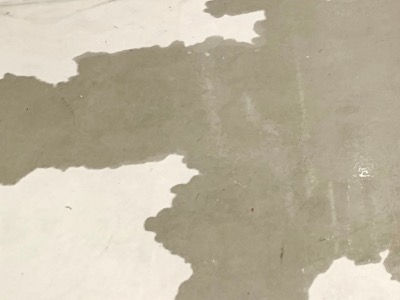 The home has a way of communicating when something is wrong beneath its surface, and a slab leak sends several recognizable signals that something is not right with the plumbing below. Dark, damp spots appearing on top of the concrete slab or foundation are among the earliest physical signs, indicating that water is migrating upward through the material. A persistent musty odor throughout the home, particularly near floors or lower walls, often accompanies this moisture and points to water that has been sitting undetected for some time.
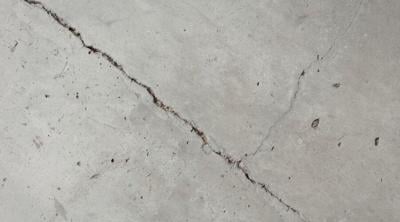
As a slab leak continues, the damage it causes becomes more visible in the structure of the home itself. Cracks forming in the foundation, along walls, or across flooring are a sign that moisture has begun to compromise the integrity of the materials above the leak. Flooring that bubbles, warps, or separates from the subfloor is another indicator that water has made its way through the slab and is affecting the surfaces above.
There are also plumbing-specific symptoms that serve as reliable warning signs for homeowners paying close attention to how the system is performing. The sound of running water when no fixtures are in use, an unexplained spike in the monthly water bill, and noticeably low water pressure from faucets and showerheads all suggest that water is escaping somewhere it should not be. Warm spots on the floor, often caused by a hot water line leaking beneath the slab, are another clue that warrants immediate slab leak repair.
Common Causes of a Slab Leak
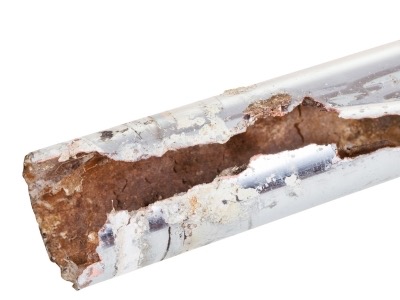 Slab leaks do not happen without cause, and understanding what puts pipes at risk beneath a foundation helps explain why some homes are more vulnerable than others. Pipe corrosion is one of the most common culprits, particularly in older homes where the plumbing materials have deteriorated over decades of use. As pipes corrode from the inside or outside, the pipe walls weaken until a small breach forms, and water begins to escape into the surrounding concrete and soil.
Shifting soil beneath the foundation is another significant factor that places stress on the pipes running below the slab. As the ground moves due to drought, heavy rainfall, or geological activity, the pipes are subjected to friction and pressure that they were not designed to withstand over long periods. That constant movement can cause pipes to crack, separate at joints, or develop pinhole leaks that gradually grow into a serious problem.
Excessive water pressure is a less obvious but equally damaging force that contributes to slab leaks when left unaddressed. When water pressure inside the pipes consistently exceeds safe levels, it places strain on pipe walls and connections that accelerates wear and eventually leads to failure. Scheduling routine plumbing maintenance and inspections allows a licensed plumber to catch early signs of corrosion, measure water pressure, and address any conditions that are moving toward a slab leak before the damage begins.
About Second Opinion Plumbing
Second Opinion Plumbing is a straightforward pricing plumbing company serving Gilbert, AZ, and beyond. They offer straightforward pricing, same-day service, and experienced plumbers. Call them today for slab leak repair and foundation leak detection in Gilbert, AZ.


Contact Information:
Second Opinion Plumbing
410 E Scott Ave
Gilbert, AZ 85234
United States
Brian Brooks
(480) 365-9555
https://secondopinionplumbingaz.com/