
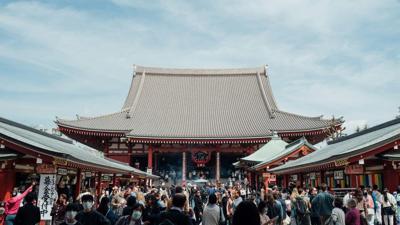
Despite the weak yen boosting tourism, rising prices and slow wage growth are driving more Japanese consumers toward budget-friendly travel, with growing demand for overnight buses, affordable hotels, and short, low-cost trips.
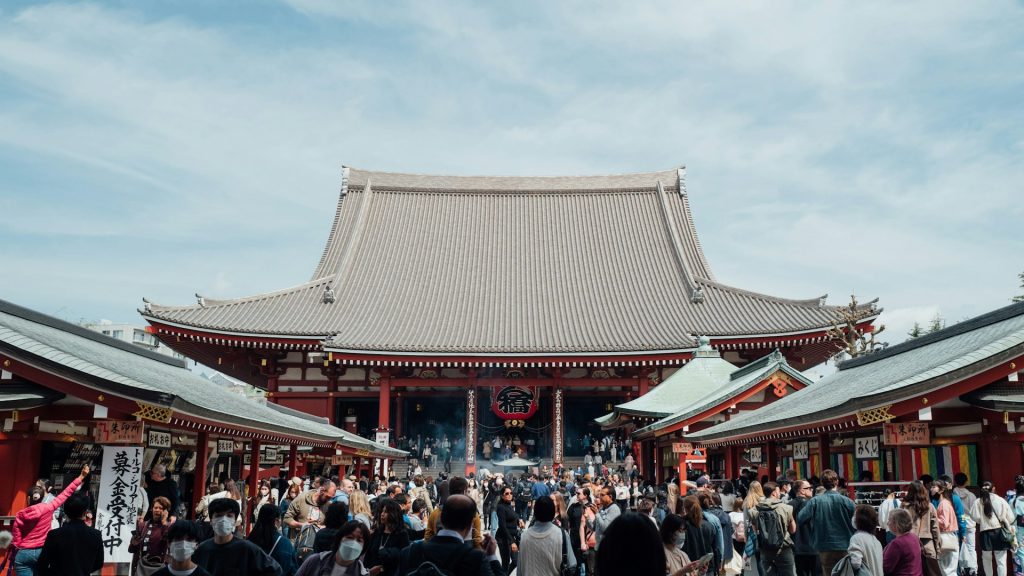
HOUSTON, TX (MERXWIRE) – The continued depreciation of the Japanese yen has contributed to a surge in inbound tourism. However, against the backdrop of rising prices and limited real wage growth, a growing “budget travel” trend is emerging within Japan. More Japanese consumers are choosing low-cost, short-duration, high-value travel options to reduce pressure on leisure spending.
According to the latest annual report from the Japan Tourism Agency’s Survey on Travel and Tourism Consumption Trends, total domestic travel spending in Japan reached JPY 26.7845 trillion in 2025, representing a 6.5% increase compared with the previous year. However, much of the growth was driven by inflation and rising accommodation prices rather than a significant expansion in discretionary spending. In fact, the total number of domestic trips reached 553.13 million, marking only a modest 2.4% increase. The relatively stagnant growth in traveller numbers suggests that rising living costs are encouraging Japanese consumers to adopt more defensive spending habits when planning travel.
Recent observations within Japan’s tourism market indicate that demand for overnight highway buses, capsule hotels, and affordable business hotels has rebounded noticeably. Compared with the pre-pandemic period, many consumers are now placing greater emphasis on reducing transportation and accommodation expenses while cutting back on non-essential shopping and premium dining. Rising prices have also made families more cautious about entertainment spending. Long-distance vacations are no longer arranged as frequently as before, with many households instead favouring short weekend trips to nearby cities to avoid the costs of overnight accommodation.
At the same time, younger consumers are becoming increasingly cost-conscious when travelling. Many students and young office workers actively search for discount travel packages, choose overnight buses to save one night of hotel expenses, or stay at budget hostels with shared public baths. Social media platforms have also seen a growing number of posts featuring low-budget travel guides and discount travel strategies. Online discussions surrounding “1,000-yen travel plans” and “hidden budget-friendly destinations” have become increasingly popular, encouraging travellers to explore non-traditional tourist destinations that offer higher value for money.
Recent data released by Japan’s Ministry of Internal Affairs and Communications also shows that rising food and energy prices continue to place pressure on household spending. Although some major corporations have raised wages, inflation continues to limit real wage growth, leading many households to adopt a more conservative approach toward leisure and travel spending.
Nevertheless, travel demand still increases during major holiday periods, such as the year-end New Year season, Golden Week, and Obon, driven by family visits and vacation-related necessities. Affordable one-day travel packages near major metropolitan areas also continue to perform strongly. Statistics show that transportation passes and regional discount coupons for suburban destinations surrounding large cities remain particularly popular on weekends, demonstrating that budget travel continues to maintain a solid consumer base among commuters and middle-income travellers.

While foreign tourists continue to increase high-value spending due to the weaker yen, domestic Japanese consumers are becoming increasingly cautious about travel expenses. As inflationary pressures persist, affordable, efficient, and cost-effective travel services are expected to gain further market share within Japan’s tourism industry.