

The National Museum of African American History and Culture will celebrate its 10-year anniversary with packed exhibits, sold-out galas and high-profile panels. Acting Director Shanita Brackett said the festive theme of “welcome home” recommits the museum to preserving legacies. Despite facing hostility from President Donald Trump's administration, the museum retains its mission of sharing African American history. The Smithsonian's leadership says they have continued their work without interference. Ahead of the celebrations, visitors from across the country, including students and history enthusiasts, said they were eager to experience the museum's exhibits and learn about the complex history of African Americans in the U.S.
From
To

People visit the Smithsonian's National Museum of African American History and Culture, Wednesday, Sept. 23, 2026, in Washington. (AP Photo/Julia Demaree Nikhinson)


Shanita Brackett, acting director of the Smithsonian's National Museum of African American History and Culture, speaks during an interview with The Associated Press, Wednesday, Sept. 23, 2026, in Washington. (AP Photo/Julia Demaree Nikhinson)

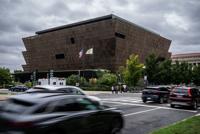
Cars drive past Smithsonian's National Museum of African American History and Culture, Wednesday, Sept. 23, 2026, in Washington. (AP Photo/Julia Demaree Nikhinson)


Shanita Brackett, acting director of the Smithsonian's National Museum of African American History and Culture, speaks during an interview with The Associated Press, Wednesday, Sept. 23, 2026, in Washington. (AP Photo/Julia Demaree Nikhinson)


The entrance to an exhibit on Emmett Till is seen at the Smithsonian's National Museum of African American History and Culture, Wednesday, Sept. 23, 2026, in Washington. (AP Photo/Julia Demaree Nikhinson)


FILE - A person holds a picture of Nolan Xavier Wells during a news conference at National Action Network headquarters, Friday, July 10, 2026, in New York. (AP Photo/Yuki Iwamura, File)


Republicans are trying to win an open Senate seat race in Michigan, and nominee Mike Rogers is stepping up his appeals to some Democrats. The strategy is key to what the former congressman sees as a way to defeat progressive Democrat Abdul El-Sayed. Rogers narrowly lost a Senate race two years ago. This time, he’s betting he can win over some Democrats and independents, particularly Black and Jewish voters. At the same time, he must rally Donald Trump loyalists to turn out to vote, even though the president isn’t on the ballot. The November race is critical in the fight for Senate control.


WASHINGTON (AP) — Several of the nation's largest left-leaning voter engagement and racial justice organizations are facing steep funding shor…


FILE - Kamala Harris, former Vice President and 2024 presidential candidate, arrives during the National Action Network (NAN) Convention in New York, April 10, 2026. (AP Photo/Angelina Katsanis, File)