

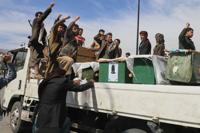
The Saudi-led coalition says missile debris has caused damage in Riyadh. The attack happened Thursday after Yemen's Houthi rebels targeted the Saudi capital. A witness reported damage to the Public Investment Fund Tower in the financial district. The Houthis have not claimed responsibility, but they have targeted Riyadh recently. Meanwhile, crude oil shipments through the Strait of Hormuz have decreased since November. Iran has increased attacks on shipping, but substantial amounts of Mideast crude are still reaching the global market. Despite uncertainty, oil prices have fallen due to expected oversupply.
From
To

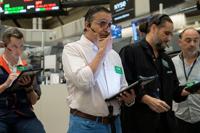
The overwhelming victory by the Democrats in the midterm elections shook up Wall Street this week. The biggest tremors were felt in shares of companies tied to the boom in artificial intelligence on concerns that a Democratic Congress will put the brakes on further development of data centers. Defense and oil companies fell on expectations Democrats would push for an end to the U.S.-Iran war, which would likely lower energy prices. Hospital shares rose on the possibility that funding for several government programs could be restored or boosted. Liquor companies and others buffeted by tariffs rose on hopes for relief.

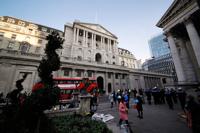
The Bank of England is expected to raise interest rates for the first time in over three years in order to tackle the inflation shock caused by the Iran war. Inflation is predicted to rise further over the coming months. So economists reckon the nine policymakers on the Monetary Policy Committee have little option but to increase the bank’s key rate to 4% from 3.75%. The increase anticipated Thursday would be the first since August 2023. The pressure on rate-setters has grown steadily over recent months. But the rise in inflation to an 11-month high of 3.5% in September cemented market expectations of a rate hike this month.

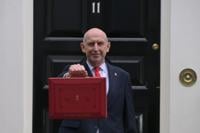
U.K. Treasury chief John Healey has used his first budget statement to offer households and businesses support with their energy bills this winter in the face of what he termed “global economic storms.” Healey was appointed chancellor of the exchequer in July when Andy Burnham became prime minister. Healey said that the Iran war wasn't something the U.K. government wanted and that it has upended the economic backdrop. A 100-pound one-off payment to poor- to middle-income households this winter was among the support measures announced in the early stages of Healey's speech. He also set a target date of 2030 for the U.K. to spend 3% of its gross domestic product on defense. But he didn't explain how.

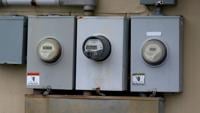
Governor Matt Meyer is calling on Delaware regulators to block a proposed Delmarva Power rate increase from taking effect while the utility's request is under review.
JAY, Maine (AP) — Across the country, families are looking to the winter with dread as energy costs soar and fuel supplies tighten.