

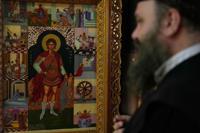
ILION, Greece (AP) — For the careless and despairing alike, there’s a special day on the Orthodox Christian calendar to provide relief — with …
From
To

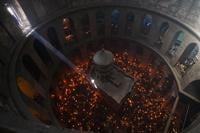
Jerusalem's Church of the Holy Sepulcher was built over the very spots where Christians believe Jesus was crucified, buried and rose from the dead. In a nightly ceremony dating back centuries, a representative of the Muslim families from Jerusalem who hold the basilica's keys locks the door from the outside. At dawn, the doors are usually reopened with the same ceremony watched over by about a dozen resident clergy of the Armenian Apostolic, Catholic and Greek Orthodox churches who share the worship space in a unique arrangement. On a mid-August night, also locked inside the sprawling, dark basilica were a smattering of registered pilgrims, a few cats and an Associated Press journalist.

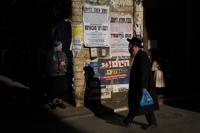
Ultra-Orthodox Jewish families are an unmissable facet of Israeli life. The numbers and the political and cultural clout of the adherents of this practice of Judaism are continuing to grow. That’s bringing their vision of faith, Jewish identity and civic practices on a collision course with that of other religious and especially secular Israelis. Mass protests over proposed changes to the exemption from the military draft for ultra-Orthodox men highlight the most contentious issue as the country approaches three years of war on multiple fronts and national elections. At the core of ultra-Orthodox doctrine is the belief that studying scripture is a higher duty than any other, including working or fighting.