




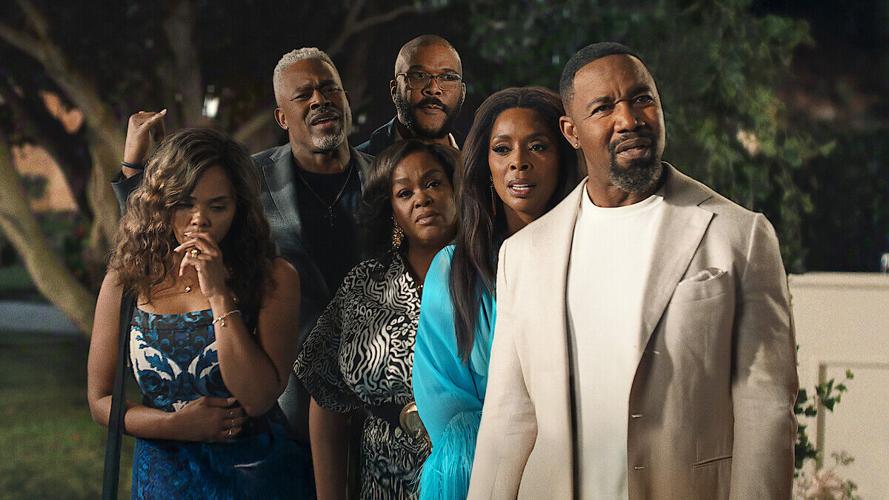


This is the third installment in a franchise that started with Tyler Perry's Why Did I Get Married? (2007) and continued with Why Did I Get Married Too? (2010). The 2007 entry was an adaptation of a 2003 stage play. It's been nearly 20 years since I've seen those films and a lot of the plot has since evaporated from my memory. Perry created a spin-off, TV series called For Better or Worse (2011) that ran for six seasons, starting on TBS and switching to OWN on cable television. The 2007 film centered on four betrothed couples, but the 2011 series instead focused on one of those four, betrothed. Yet, this franchise has been put down for nearly a decade. Perry brings back three of the betrothed couples for this third film. The fourth is noticeably absent. Namely, it's Janet Jackson who played Patricia Agnew in the first, two features, but, for whatever reason, she doesn't appear in this third.
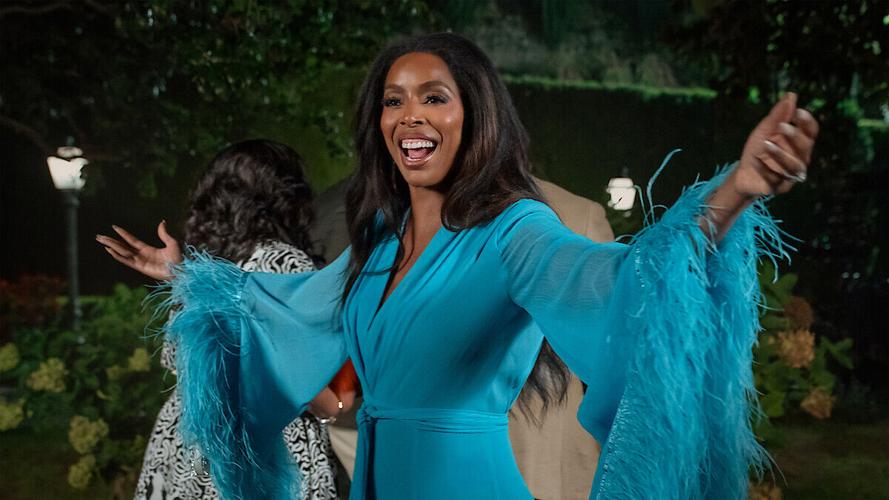
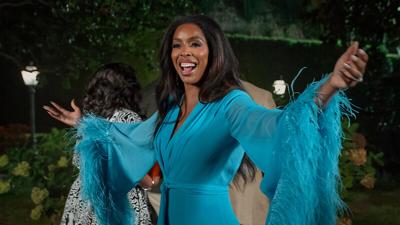
Tasha Smith (For Better or Worse) reprises her role of Angela Williams, a successful, hair salon owner. She's married to Marcus Williams, played by Michael Jai White (Black Dynamite and Spawn), former, professional, football player. They're incredibly wealthy and have been married for decades. They've had their ups and downs, specifically with infidelity. However, they're now involved with their daughter's upcoming wedding to the son of one of their other friends who is new to this franchise.

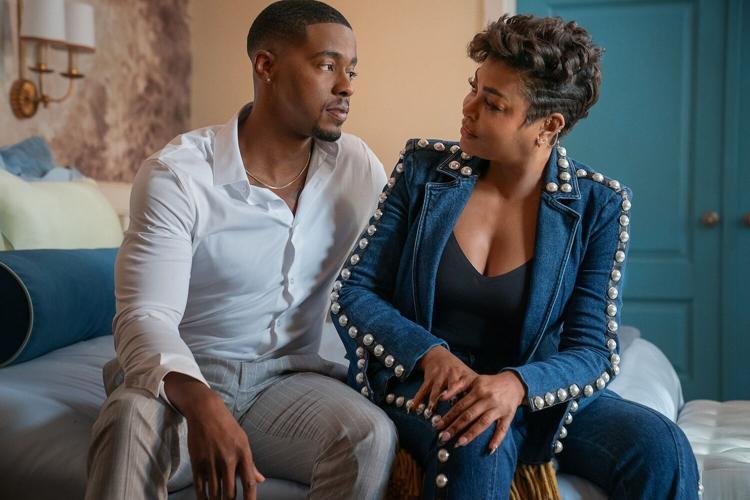
Taraji P. Henson (Hidden Figures and Hustle & Flow) co-stars as Roselyn, a successful, real estate agent. She's supposed to be good friends with Angela and the other couples, but she wasn't featured in the previous films. She basically fills the slot that Janet Jackson left. She's not married. She's divorced, but she has a son, and it's her son who is marrying the daughter of Angela and Marcus. However, there is some tension between Roselyn and her son. Her son, in fact, hates her for allegedly how she treated his father. Yet, there's more to the story that isn't revealed till the last act.
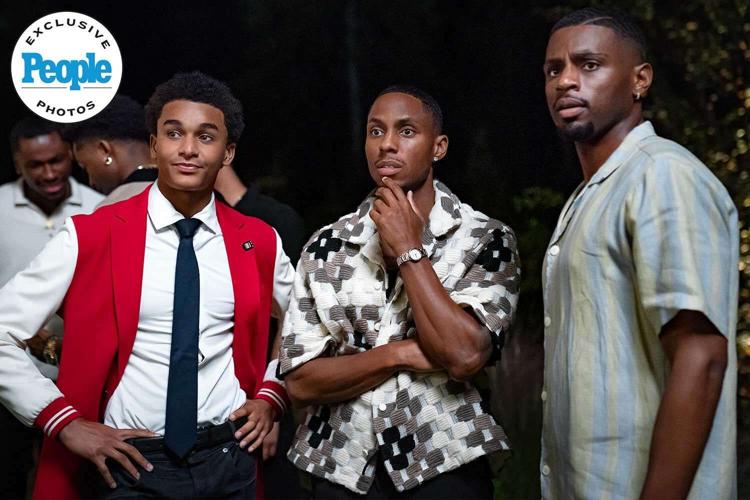
Essentially, this story is meant to center or include the lives of the adult children. Yet, weirdly, they mostly feel like after-thoughts or punchlines. The punchlines are basically the adult children are mirror images of their parents, destined to repeat the same mistakes as their parents. Other than being echoes, there really isn't much dimension to the adult children otherwise. The female children are completely brushed over, as Perry's script really only gives shine or voice to the male children. Those male children seem to exist to contrast the ageist jokes that are overwhelming in this narrative. The shine or voice given to the male children is very superficial at best. For example, the only thing we get to know about Angela and Marcus' son, MJ, played by Da'Vinchi (All American and Grown-ish), is that he's horny and can't help but hook up as often and whenever he can. We get nothing else though.

Everett Osborne (Sweetwater) plays Wesley, the son of Roselyn. He's marrying Jasmine, played by Armani Greer, the aforementioned daughter of Angela and Marcus. We learn that he plays football and attends the Alma Mater of Marcus. Wesley is also very competitive to break the records that Marcus set in football. Other than being angry at Roselyn about his father, the film has no interest in delving into Wesley and making him more of a three-dimensional character. It's obvious that he's being rude and mean to his mother, and his fiancée, Jasmine doesn't comment on it at all. She's about to marry the guy and the fact that he's treating his mother with such disrespect doesn't warrant a conversation between the newlyweds, at least not one that's depicted here.
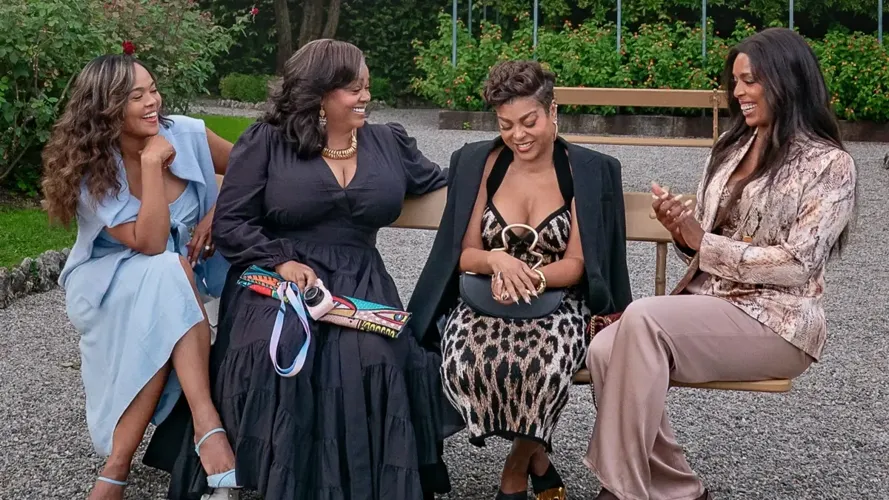
Jill Scott (First Wives Club and Get On Up) reprises her role of Sheila Jackson. The big thing about her character is the abuse that she experienced while married to her ex-husband, Mike, played by Richard T. Jones (The Rookie and Judging Amy). Because of the abuse, she becomes triggered when it's suggested that Wesley might be abusing Jasmine. Jasmine insists that he's not abusing her, but something is happening that she refuses to fully explain. The whole thing becomes about Sheila keeping her suspicions secret from Angela, which makes the whole thing more about Angela and Sheila's friendship. Perry's film does take time to show the friendship between the women, which is refreshing.

By the end of the film though, the whole thing purports to be about how children perceive their parents. The main thrust is this idea that there comes a point where children, especially adult children, have to stop seeing their mothers and fathers as being perfect. Given the dynamics and how the parents behave, I find it very hard to believe that these children see their parents' marriages as perfect. The children might not know all the sordid details of their parents' marriages, but as much as Angela bickers at Marcus and as much as Marcus complains, it seems ridiculous that anyone would think that they're perfect or that they don't have any problems.
However, even if we accept that the children have this perfect perception, it calls into question what exactly the parents are telling or teaching them about their lives. Tyler Perry co-stars as Terry Brock, a father himself whose son is friends with MJ and Wesley. Terry is meant to be a sensible and straightforward person. It calls into question what lessons he's teaching his son, if the children believe that marriage is this perfect thing and not the hard work that it can be and often is. It's suggested that the parents are great at molding their children, but what kind of molding are they doing, if their children don't know the issues that their parents have faced, which arguably have made them stronger? It seems so myopic and unrealistic, as well as antithetical to how people learn and grow.

Instead of developing the relationships between the parents and their children, Perry's film is constructed like a stage play where instead of organic and natural conversations, the film opts for a third act where all of the adult characters stand around, delivering monologues that hammer the theme and message over and over again. It's very clunky. It might work for a stage play, but even then, it's mostly awkward in the way it plays out.
Rated PG-13 for sexual material and strong language.
Running Time: 1 hr. and 51 mins.
Available on Netflix.