


CAMBRIDGE, Md. – The city of Cambridge is trying to figure out its next steps in a plan to protect itself from flooding, but not all city leaders are on the same page.
Monday's work session aimed to move the Cambridge Flood Resiliency project design closer to completion, ahead of the deadline to submit it to FEMA. The city would need to submit a project design plan by December to secure up to $16 million in funding.
City staff stressed that the project, long known as the ‘Make Cambridge Resilient’ project, is actually a broader flood resiliency plan.
The city manager and city engineer say a berm, or essentially a flood wall, needs to be part of this plan. But some commissioners question whether that's the right move at this point.
Federal regulators use a benefit-cost analysis to judge whether hazard mitigation projects are financially feasible and cost-efficient. Without the berm from the original plan, city staff say submitting only the infrastructure and sewer pipe repair plans would likely fail to meet the required threshold, and the funding would be lost entirely.
“If the project goes away, then the city is going to have to look at potentially other ways of dealing with some of the stormwater. It can't do what it needs to do without the berm,” City Manager Glenn Steckman said.
City Engineer Joel Leifer said now is the opportune time to make this move.
"This problem of flooding actually needed to be addressed 50 years ago,” said City Engineer Joel Leifer. “It's now because we have the opportunity to get it paid for...You either raise the city, which is raising the houses as well as the streets and everything, or else you put something up to keep the water out," Leifer said.

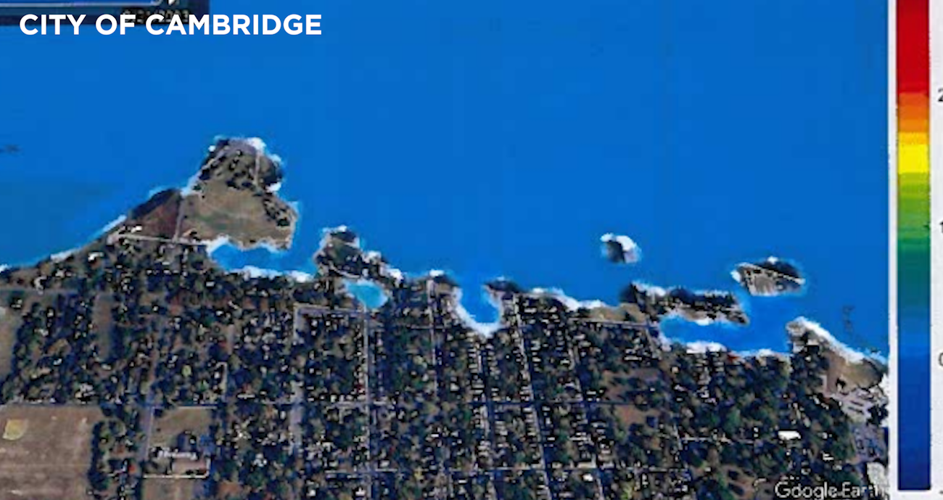
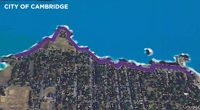
What the current state of the Choptank River Waterfront looks like as proposed by the City of Cambridge. (Credit: City of Cambridge)

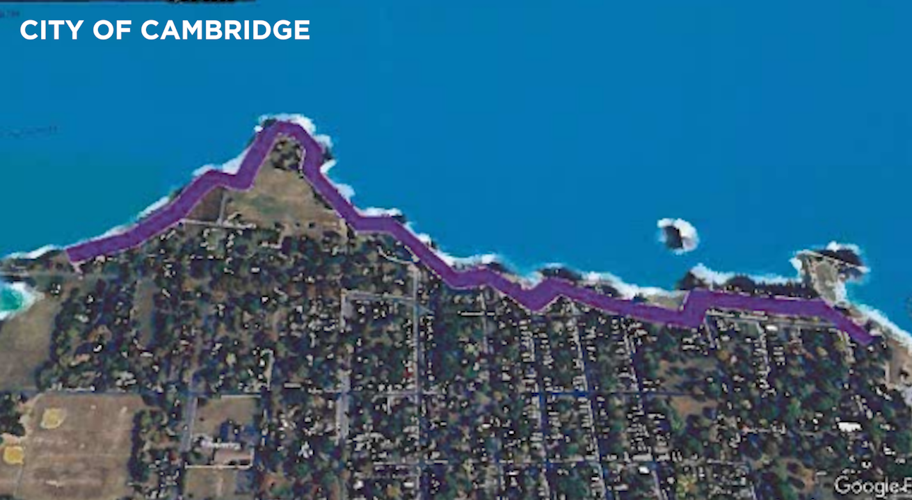
What the ideal state of the Choptank River Waterfront would look like with a berm as proposed by the City of Cambridge. The purple outline is where the proposed berm would be located. (Credit: City of Cambridge)
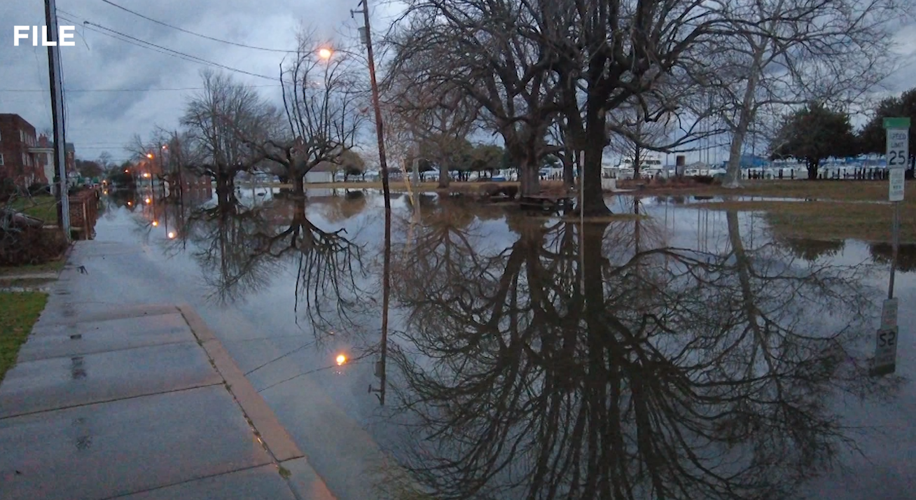
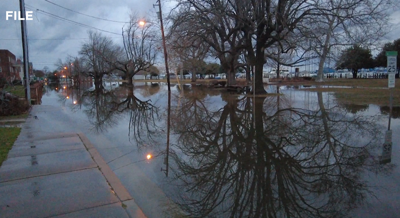
Leifer said Vu De Leau and Water streets have seen manhole covers pop off and sewage spill into the streets six or seven times since July 1.
Leifer also said the berm would stop water from the Choptank River from coming into the city, and stop water from the city from flowing into the river, which is why some of the stormwater pipes need to be replaced.
But at Monday night's meeting, Commissioner Brett Summers questioned whether the berm has to be built now.
"Part of my theory is we don't need a berm today, we need a berm when the berm level is at a point where it's coming over our bulkheads, and so how long before that would feasibly take place," Summers said.
Summers pointed to a 2023 Maryland report that found sea levels on shorelines will rise by one to one and a half feet by 2050.
Leifer pushed back on the idea of waiting.
"We can kick the can if the residents are happy to accept nuisance flooding, toilet paper in the streets, decaying infrastructure," Leifer said.
Leifer also said the city isn't locked into construction simply by submitting the design. He said the city is contractually obligated to submit a plan.
City Manager Glenn Steckman said the goal is to submit a plan that demonstrates that the city, and its residents, want to participate in the project.
Some neighbors who say they've seen the flooding and drain backups over the years see the benefit of moving forward with a berm.
"I say act when you can. I don't see the benefit in delaying it. It's that simple. Why not do it now? What's better later as opposed to now?" said Cambridge resident Joel Gruber.
Commissioners are expected to vote sometime this month on whether they support the current design plan.
A link to the presentation for the Flood Resiliency Project from Monday’s meeting is available here.