
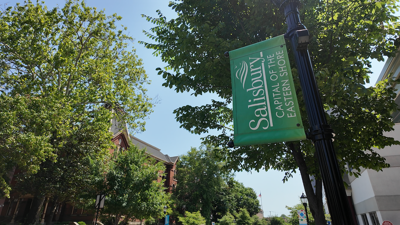


SALISBURY, Md. - Salisbury City Council unanimously approved changes Monday night to the city's zoning rules for cannabis growers and processors, giving those businesses more flexibility in where they can operate.
The ordinance removes a requirement that cannabis growers and processors remain at least 1,000 feet from another cannabis business. It also creates a process allowing growers and processors to seek a special exception from the Board of Appeals to reduce a 500-foot buffer from certain sensitive uses to no less than 250 feet.
Those sensitive uses include schools, licensed child care centers, registered family child care homes, playgrounds, recreation centers, libraries, churches and public parks.
The changes apply to cannabis growers and processors, not retail dispensaries. Growers and processors operate in Salisbury's Light Industrial and Industrial Park districts and generally function more like manufacturing businesses than retail operations.
Mayor Randy Taylor said expanding Salisbury's industrial base could help support the city's broader economic development goals.
"Well, I mean, obviously, the more industrial base we build, obviously the better employment base we have, which is awesome, you know, and we're doing a good job with that," Taylor said. "And I think we've had, you know, a couple of really big hits lately. So we're hoping to continue on that path."
City staff previously said existing distance requirements severely limited the number of properties available to cannabis growers and processors within Salisbury's industrial districts. The 1,000-foot separation requirement was identified as another obstacle to finding suitable locations.
Steven Johnson, whose family was awarded a cannabis processing license for the Eastern Shore region, said processors differ significantly from retail dispensaries because they conduct business with other licensed cannabis companies rather than directly with customers.
"We only sell to each other and to dispensaries, and just business to business. No retail," Johnson said.
Johnson said loosening the restrictions could also create economic opportunities for Salisbury.
"It will bring in multiple different paying jobs and, and, increase the economic viability of the area. Should do a lot more hiring, too," Johnson said.
The ordinance also explicitly prohibits cannabis growers and processors from operating in Salisbury's General Commercial District. City staff described that change as closing a loophole in the existing zoning code.
The Salisbury Planning Commission previously recommended the zoning changes after several work sessions and a public hearing.