
MANILA, Philippines (AP) — A shooting at a high school in the southern Philippines on Friday left at least three young people dead and six oth…
From
To

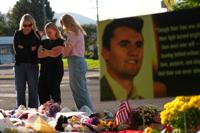
SALT LAKE CITY (AP) — Charlie Kirk’s family blamed Utah officials for failing to prevent the conservative activist’s assassination at a state …
NEW YORK (AP) — Federal authorities charged a dozen people Tuesday for fraudulently collecting more than $10 million in government childcare p…

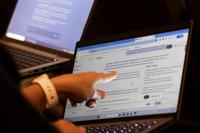
Millions of students every day turn to AI chatbots for help with schoolwork, emotional support and personal advice — often unaware of where th…

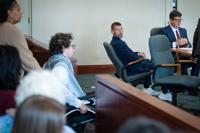
Jason Eaton insisted he was acting on orders from the CIA and Mossad when he shot three Palestinian college students who were walking past his…


AP
With college football in full swing, proponents of the Protect College Sports Act have launched an all-out blitz to push the legislation throu…


BELGRADE, Serbia (AP) — University students behind nearly two years of anti-government protests in Serbia on Monday formally entered the elect…

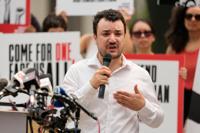
Palestinian activist Mahmoud Khalil sued Columbia University on Monday, alleging it failed to address harassment against him and other members…
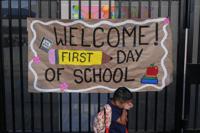
Experts say children need to struggle with everyday problems to develop independence. They emphasize the importance of letting kids figure things out on their own. Parents often face the challenge of knowing when to help and when to step back. Dr. Dana Suskind believes giving children the experience of solving problems is crucial. Experts suggest asking open-ended questions to guide children rather than immediately solving issues. Psychologist Dr. Jean Twenge notes that today’s kids have fewer opportunities to practice independence. Parents can facilitate small challenges in everyday life to help children build confidence and resilience.

FILE - A student wipes his face while his mother takes a photo of him with a sign on the first day of school at Betsy Ross Elementary School in Anaheim, Calif., on Aug. 6, 2026. (AP Photo/Jae C. Hong, File)