
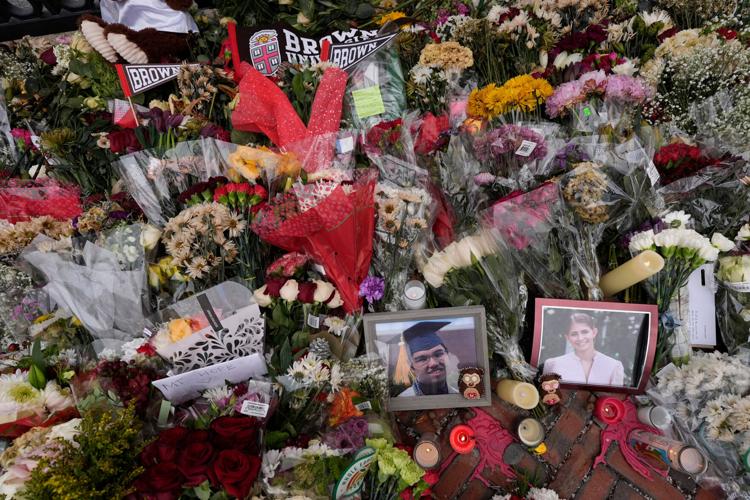
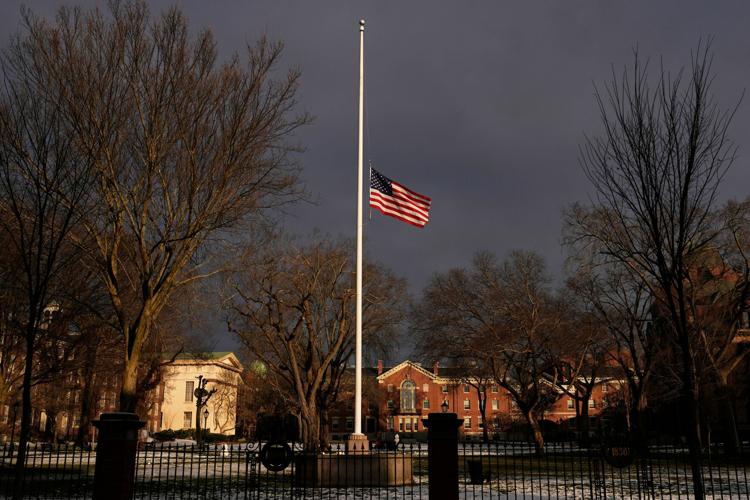
BOSTON (AP) — Federal investigators say they believe the man who carried out a mass shooting at Brown University and later killed a Massachusetts Institute of Technology professor did not act randomly.
Instead, former Brown student Claudio Neves Valente, 48, appeared to target places and people for what they represented in his own life — institutions and individuals he associated with personal failure, missed opportunity and perceived injustice.
In a detailed behavioral assessment released Wednesday, the FBI said Neves Valente, a Portuguese national, spent years planning the attack in isolation before killing two students and wounding nine others inside an engineering building on Dec. 13. Two days later, he killed MIT professor Nuno F.G. Loureiro at his home in Brookline, Massachusetts. Neves Valente was later found dead of an apparent self-inflicted gunshot wound inside a storage facility in Salem, New Hampshire, ending a multistate search.
The FBI described a man who spent years in isolation, rarely staying in one place and lacking traditional support systems such as family, peers and authority figures who might have recognized warning signs and alerted law enforcement.
Over time, investigators said, he built a narrative of grievance and inadequacy, with “little to no opportunity for bystanders to observe and contextualize the significance of his behaviors.”
“He appeared to struggle with how he viewed his life achievements and felt he was considerably marginalized by others,” the FBI wrote in the report. “As his failures outweighed successes, his paranoia increased, compounding his continued inability to thrive and leading to him being mentally unwell and committed to dying.”
Authorities said the violence itself was “symbolic in nature.” Brown University and Loureiro, investigators wrote, represented to the shooter “his personal failures and injustices he perceived were inflicted by others over time.”
“By attacking them, Neves Valente was likely able to overcome his shame and envy by using violence to punish those communities that he perceived contributed to his downfall,” the FBI said.
Yet even as investigators laid out that framework, they acknowledged its limits, noting that only Neves Valente himself knew the full reason behind the attacks and that mental health stressors alone cannot fully explain them.
After the attacks, investigators said Neves Valente recorded a series of videos and audio messages in which he confessed to the shootings, expressed no remorse and voiced some of the grievances later outlined in the FBI’s assessment, but offered no clear explanation for his actions.
Investigators have said Neves Valente acted alone and that the attacks had no known connection to terrorism.
Authorities said Neves Valente briefly attended Brown as a doctoral student in the early 2000s but did not complete the program, a connection investigators say later factored into how he viewed the university. The firearms used in the attacks were legally purchased in Florida years earlier, investigators said.
The findings come as students injured in the attack filed a lawsuit earlier this week, alleging the university ignored prior warnings about the shooter and did not provide adequate security that could have prevented the tragedy.