


House Speaker Mike Johnson says Congress would have to approve President Donald Trump's proposal to send $5,000 to each American adult if the Republican Party maintains control of the House and Senate in the November election. Johnson also says he's try to make that pledge happen. Trump made the unusual pitch at the party’s midterm convention in Dallas last week. He also said he didn't think Congress would need to authorize the payments, though he didn't explain how he spend more than $1 trillion without lawmakers’ authorization. He told reporters Sunday in Ireland that “the 5,000’s going to happen, 100%.”
From
To

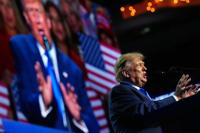
WASHINGTON (AP) — Donald Trump's pitch to send Americans $5,000 checks should Republicans prevail in the November midterms is drawing scorn fr…


RIO DE JANEIRO (AP) — Brazilian President Luiz Inácio Lula da Silva signed a decree and a provisional measure Wednesday aimed at lowering fuel…
TEHRAN, Iran (AP) — Iran early Tuesday introduced a higher price for its heaviest users of gasoline, state media reported, in the latest econo…

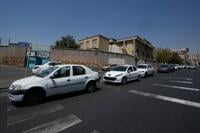
DUBAI, United Arab Emirates (AP) — Lines have grown outside gas stations across Tehran in recent weeks as the United States has tightened its …
DUBAI, United Arab Emirates (AP) — Iran’s currency hit a new record low Monday, with the rial dropping to 2.02 million to the U.S. dollar as m…


A Palestinian teenager was killed by Israeli settlers Friday after a rock throwing incident in the occupied West Bank.

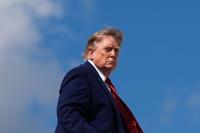
President Harry Truman famously kept a “The Buck Stops Here” sign on his White House desk. But the current president, Donald Trump, often veers from that motto of taking responsibility. The Republican has blamed his predecessors for continued inflation. As the unpopular war with Iran drags on, he says earlier presidents squandered years of chances to curb Tehran's nuclear ambitions. He says vandals are responsible for the problem-plagued renovation of the Lincoln Memorial Reflecting Pool. To some degree, all presidents try to shift responsibility. But no president in modern history has taken it as far as Trump has. The White House says Trump is working to correct long-festering challenges.

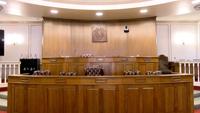
The City of Dover is considering a rate hike for water and wastewater services to address rising costs and fund essential infrastructure improvements.

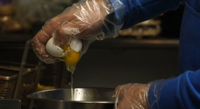
Egg prices are cracking local restaurants’ budgets as costs continue to rise across the country. The U.S. Department of Agriculture predicts egg prices will climb at least 20% in 2025. In December, the cost of a dozen eggs averaged $4.15, an increase of nearly 37% compared to the same time last year.