
DALLAS (AP) — A federal judge on Tuesday ordered Texas to install air conditioning in all of its prisons, saying that inmates in lockups witho…
From
To


Costa Rican man complained of lack of care for diabetes before his death in ICE custody, family says
A 36-year-old Costa Rican man whose family says he complained of not receiving proper care for his diabetes is the third detainee in less than six months to die at a U.S. Immigration and Customs Enforcement facility in Louisiana. Carlos Josue Marchena Marchena was found unresponsive at Winn Correction Center in Louisiana and later pronounced dead at a hospital, according to ICE. The man's sister, girlfriend and a detainee in a nearby cell said Marchena told them he was receiving irregular insulin doses, insufficient food and water and poor medical care in the days before his death. ICE said he received proper medical care.


The Trump administration plans to limit refugee admissions to 17,500 mostly white South Africans. The administration told Congress Tuesday that these individuals face land seizures and persecution. The South African government has rejected claims that white South Africans, known as Afrikaners, are a persecuted minority. The administration intends to spend about $500 million to resettle these new arrivals. Historically, the U.S. refugee program welcomed tens of thousands from around the world every year. Presidents set annual caps on refugee numbers, taking into account global conflicts and humanitarian needs. This move marks a significant shift in the program's focus.


WASHINGTON (AP) — The U.S. Supreme Court on Tuesday declined to intervene in a custody dispute over a 5-week-old child who was born in Texas a…

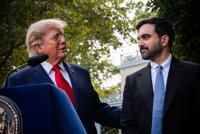
NEW YORK (AP) — Earlier in the month, President Donald Trump warned voters that democratic socialists — extreme, crazed, lunatics, he called t…

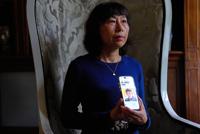
WASHINGTON (AP) — Ahead of a high-stakes summit between the U.S. and Chinese leaders, the wife of a detained Chinese American seismologist exp…

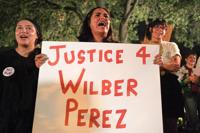
The attorney for a Venezuelan man shot by a federal immigration officer in Texas says he's back in an ICE detention center after being taken to a hospital for a second time. Wilber Rafael Garces Perez was being held Tuesday at a federal center in South Texas. His attorney says Perez was making a DoorDash delivery Sunday in Austin when immigration officers in an unmarked vehicle sideswiped his car and forced it to stop. Perez was shot and taken to a hospital. The U.S. Department of Homeland Security, which oversees ICE, did not immediately respond to requests for comment Tuesday.


A federal judge has struck down a Trump administration directive that would have barred some immigrants from accessing Head Start preschools, plus other federal programs. The directive was already on hold. But U.S. District Judge Mary McElroy in Rhode Island made the injunction permanent on Monday. The rule would have reclassified many federally funded social services, making them inaccessible to immigrants considered “nonqualified aliens.” This category includes immigrants on certain work visas and recipients of Temporary Protected Status and Deferred Action for Childhood Arrivals. The judge declared the directive “unlawful” and said President Donald Trump's Republican administration did not follow the proper avenues to rewrite the rules.
BOSTON (AP) — The social media influencer “Clavicular,” who gained a following promoting the online “looksmaxxing” trend, has been charged in …

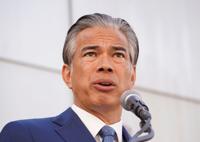
WASHINGTON (AP) — Democratic attorneys general from California and New York sued the Trump administration Tuesday over its plans to buy back o…