AP

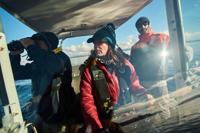
Using a drone with specially mounted petri dishes and an 11-year-old rescue dog trained to sniff out feces, a team of scientists perform health checks on an endangered orca population in the Salish Sea. Researchers know of just 76 living Southern Resident killer whales. Despite mandated protections, their population recovery is faltering. A drone pilot for the the San Diego Zoo Wildlife Alliance flies a drone through spouts as the whales surface to breathe, collecting droplets. The dog, Eba, helps researchers find whale poop in the water. Over the years, the team has collected hundreds of samples. They contain hormonal, bacterial, fungal, parasitic and DNA information to help create individual health profiles for each orca.

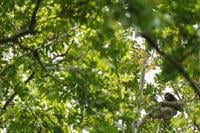
As deforestation, development and climate change threaten sloths in Costa Rica, conservationists are installing rope bridges to help the slow-moving mammals navigate increasingly fragmented forests. The Sloth Conservation Foundation has installed more than 400 bridges, with cameras recording thousands of wildlife crossings. The project aims to reduce injuries and deaths from vehicles, power lines and predators, while efforts to restore tree cover offer longer-term protection. Scientists also warn that rising temperatures and habitat loss pose growing threats to sloths’ survival.

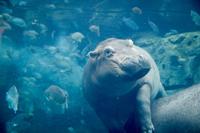
The Cincinnati Zoo said Hippo Cove has reopened with new protective measures following the death of the beloved hippo Fiona last week. Fiona died after a hat she swallowed weeks ago got caught in the middle of her small intestine. The zoo reopened Monday with modifications to prevent a similar issue. The hat Fiona swallowed was tossed by a zoo visitor before a ceiling fan caught it and flung it into the hippo habitat. Cincinnati Zoo Director Dave Jenike said a layer of netting was added above viewing windows and all ceiling fans were removed in the area.

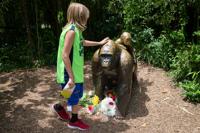
The Cincinnati Zoo is once again facing the tragic death of a beloved animal. Fiona the hippo died at the zoo on Thursday, a decade after zoo workers shot a beloved gorilla, Harambe, because a boy had fallen into his habitat. Harambe's death drew widespread condemnation, but the outrage faded the following year with the premature birth of Fiona. The zoo shared her miraculous survival story in videos and blog posts, and captured hearts around the world. She died more than a week after she ate a visitor's hat that accidentally found its way into her enclosure, sparking an outpouring of grief in Cincinnati and beyond.

One of the owners of a famous internet squirrel named Peanut has been charged with multiple felonies, including mortgage fraud. This comes weeks after the other owner was detained by immigration officials. Mark Longo, who runs an animal sanctuary in New York, was arrested Wednesday. He faces 14 felony charges, including grand larceny and falsifying business records. Longo allegedly used fake documents to secure a $720,000 mortgage. His wife, Daniela Bittner, was arrested in October and faces possible deportation to Germany. Peanut, the squirrel, gained fame on social media but was euthanized in 2024 after biting a biologist.

AP
  • Updated

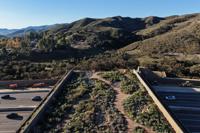
Coyotes don't wait for ribbon cuttings. Several of them, along with other animals, are already making their way across a new wildlife crossing set to officially open next month over a Los Angeles area freeway. The bridge has a landscape that’s indistinguishable from surrounding hillsides. It stretches 1,250 feet over U.S. 101 to give wildlife hemmed in by urban sprawl a safe path to the nearby Santa Monica Mountains and beyond. An opening ceremony is set for Dec. 2. It is billed as the largest wildlife crossing in the world.

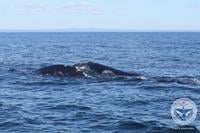
Scientists who study whales are heartened by an unexpected discovery of a baby right whale off Canada. Researchers in Canada captured images of an unidentified baby North Atlantic right whale, one of the rarest sea mammals in the world, off Anticosti Island in Quebec in September. Scientists with the New England Aquarium in Boston said this week that after analyzing photos and data about right whales, they have determined it was a calf likely born months ago that went unseen during winter surveys for the giant animals. The discovery puts the number of baby right whales discovered from the most recent birthing season at 24.

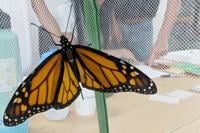
Every August, monarch butterflies east of the Rocky Mountains begin their migration from southern Canada and the northern United States to central Mexico to hibernate. In the spring, when temperatures warm, they awaken, mate and begin their migration north again to lay their eggs. In Texas, scientists with the National Wildlife Federation are now tracking monarchs during their migration to understand where they roost and protect the habitats they rely on.