









David Osit's Predators (2025) was a documentary about NBC's To Catch a Predator (2004). The documentary focused on how the show affected the people who were involved and those who watched. The thesis of the documentary was to spotlight the negative repercussions and how the program was exploitative in some people's eyes. The documentary also goes into present-day copycats of that NBC series and how many of them haven't learned the lessons of why To Catch a Predator ended. One of the reasons it ended was due to an incident in 2006 when one of the targets killed himself, and many became critical of the show's entanglement with police and instead of following the police's lead, the show was leading the police by the nose, doing so not in the name of justice but in the name of ratings.
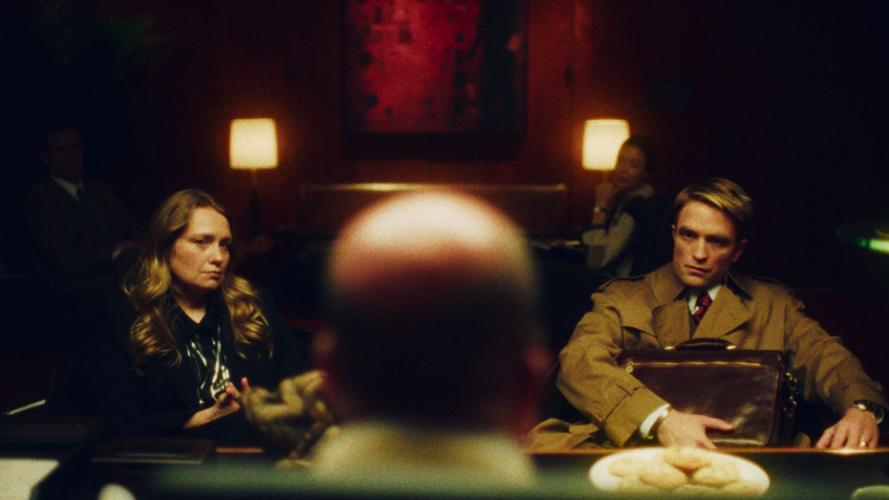
Directed by Lance Oppenheim who is known for his documentaries, this film depicts a narrative of the events leading up to that 2006 incident. Oppenheim crafts visuals that have this hazy, almost dream-like glow. Even though this film is based on a true story or in fact an article about such, Oppenheim wants this to be a work of fictionalization, a work of almost operatic proportion. The daytime scenes are even photographed in a dark way in order to show the demented spiral that the people involved go down.

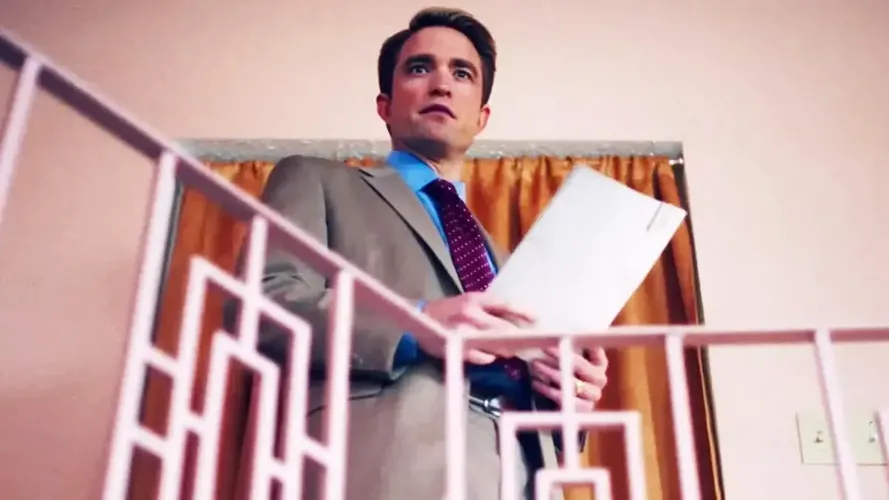
Robert Pattinson (The Odyssey and The Batman) stars as Chris Hansen, the host of To Catch a Predator. He's a highly-acclaimed journalist with NBC News. His show works with a group called "Perverted Justice," an online, vigilante organization that targets potential pedophiles on the Internet. It's not clear who came up with the idea, but Chris' team sets up hidden cameras in a sting house and lure the potential sexual predator to that house where Chris would surprise them, confronting them about their potentially illegal actions, and he does so live on-camera. Afterward, the predator would leave, but the cops would be waiting outside in order to arrest them. Chris had become so popular that a NBC executive wants to put Chris' show in primetime television, opposite the highest rated program on network TV, that of Lost (2004). While that's exciting for Chris, it also puts him under pressure to make sure he's doing what he can to compete with Lost.
Merritt Wever (Unbelievable and Nurse Jackie) co-stars as Andie Bender, the producer of Chris' show. She sees the deleterious effects. However, she wants the ratings. She wants to be on top in terms of the work she's doing. She's very concerned and centered on her career. She's also very competitive about anyone else she might encounter in her position on other shows. She doesn't necessarily care about the welfare of anyone involved, either mentally or physically. She simply wants to do this show in a way that will get good ratings. She's also a bit controlling in so much that she wants to be seen as good at her job.

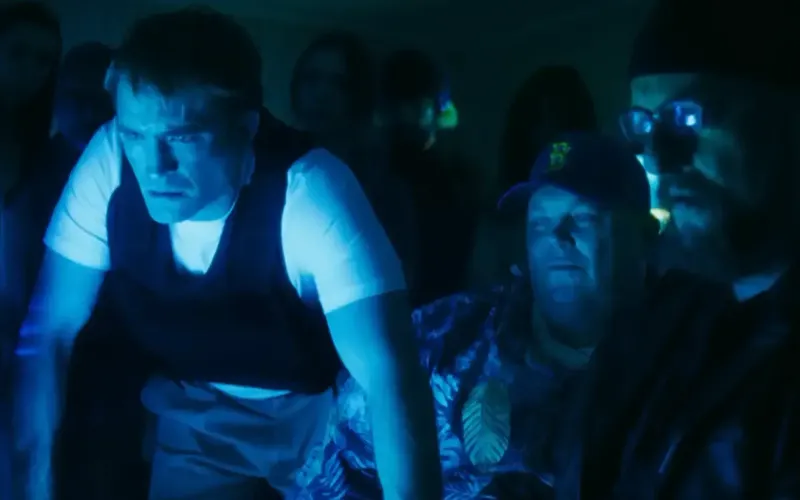
Skyler Gisondo (Superman and The Amazing Spider-Man) also co-stars as Dan Plumb, a young aspiring actor who is hired to be what's called a "decoy." His role is to pretend to be an underage boy and entice potential predators into the house, so they can be caught on camera and be confronted by Chris. At first, he's worried about being a good actor and giving a good performance. It's not until later that he realizes that what he's doing is more than just acting but it's affecting people's lives, and it begins to weigh on him.
The justification is that these men are potential predators and Chris always describes them as monsters or evil. He seemingly has no sympathy for any of these men. However, the potential criminality is a separate issue from the criticism that what the show was doing was tantamount to entrapment. The film doesn't go into the legal consequences that followed, but from how Oppenheim plays things, it feels like entrapment.

That entrapment is motivated due to Chris' desire to get ratings on par with Lost. One of the guys from Perverted Justice named Xavier, played by Matthew Maher (Air and Our Flag Means Death), has what he calls a "whale," which he classifies as someone connected to politics who could be a potential child predator. Chris becomes obsessed with catching this whale. It's clear that Oppenheim's vision is equating Chris Hansen to Captain Ahab from Moby-Dick (1851), which is ironic, given that at one point he does see a man's penis or dick.
There's also an added element, which I'm not sure how close to reality it skews. Chris is having an affair, despite being married with little children. Someone from the National Enquirer, a tabloid newspaper, calls and threatens to expose his infidelity. Much in the way he exposes predators, someone threatens to expose him. It's akin to giving him a taste of his own medicine. There's also an aspect of the people trying to catch predators being comparable to predators themselves. I don't think this film makes that case as much as the documentary did, especially in a case, involving a 18-year-old, that occurred in the successor to To Catch a Predator. The documentary goes into that case, but this film doesn't.

Rated R for disturbing sexual material, graphic nudity, some violent content, and language.
Running Time: 1 hr. and 50 mins.
In theaters.