


DOVER, Del. - Delaware Republicans are laying out their priorities for the upcoming legislative session, unveiling what they call a "Contract with Delaware Voters" Tuesday in Dover.
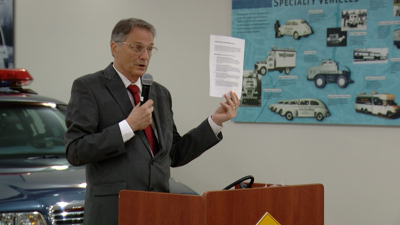
Sen. Bryant Richardson, R-Del., and other Republican lawmakers gathered to unveil the document at the Delaware State Police Museum, describing it as a roadmap for the issues they want to pursue if given the opportunity to lead.
Richardson said the contract is intended to give voters something more concrete than campaign slogans.
"This is kind of like the meat and potatoes," Richardson said. "This is something of substance."
Republicans highlighted issues including affordability, taxes, local control, education, public safety and what they describe as restoring political balance in Dover.
Rep. Lyndon Yearick, R-Del., said Democrats have held control of the General Assembly for years, and argued that having more than one party involved in governing could lead to greater compromise.
"There are some things I think are going great," Yearick said. "I think we could do better. Most things in life do work better with a balance."
Republicans say their priorities include addressing state spending and affordability, supporting youth and preserving certain rights and policies they say are important to Delaware residents.
"I hope that it will get in the hands of all the voters so that the voters can see that right now, people can make promises," Richardson said.
Sen. Trey Paradee, D-Del., said he disagrees with parts of the contract—including its proposed restrictions on reproductive rights.
He said Democrats instead want to focus on lowering energy and health care costs, improving public schools, strengthening the economy and creating what he called a more inclusive Delaware.
Senate Majority Leader Bryan Townsend said another Democratic priority is ensuring corporations pay what he described as their fair share.
The two parties are now outlining different priorities ahead of the next legislative session, with affordability, energy, health care, education and other policy issues expected to remain part of the debate.