

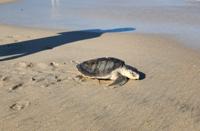

Maryland. – Maryland Department of Natural Resources officials are asking people along the Chesapeake Bay and Atlantic coast to watch for sea turtles and marine mammals showing signs of cold-stunning, a condition caused by prolonged exposure to cold water that can leave animals lethargic, unresponsive, and vulnerable.
Cold-stunning typically occurs in late fall and early winter as water temperatures drop or fall rapidly within a short period. Affected animals can drift or strand, posing risks to themselves and, in some cases, to boaters. If untreated, the condition can be fatal for certain species.
Wildlife agencies respond to thousands of cold-stunned sea turtles along the Atlantic Coast each year. During the season, Maryland staff monitor weekly updates from the National Oceanic and Atmospheric Administration. As of Dec. 15, 696 sea turtles had been reported stranded in the Greater Atlantic Region, with more than 90% in Massachusetts.
While sea turtles are most commonly affected, West Indian manatees can also suffer cold-stunning and have occasionally been reported in Maryland waters during winter. In late November 2016, DNR’s Marine Mammal and Sea Turtle Stranding Response Program responded to a deceased, cold-stunned manatee found at the Dundalk Marine Terminal.
Anyone who encounters a lethargic, floating, or debilitated sea turtle or marine mammal in Maryland waters or stranded onshore should keep a safe distance and call the Maryland Natural Resources Police Hotline at 800-628-9944. The hotline operates 24 hours a day, year-round. An online form is also available to report deceased marine mammals or sea turtles.