





It's perhaps coincidental that Gregg Araki's film comes just months after The Devil Wears Prada 2 (2026). Araki's film echoes the plot not of that sequel but of its original back in 2006, which was about a young woman who goes to work with a tough and arguably abusive, female boss, a female boss that's fierce and fabulous. The young woman partners with a gay man in order to navigate what is potentially a toxic workplace. This film has that same basic premise, but it's not really focused on the workplace, as it is the specific relationship the protagonist derives from that workplace. Instead of a young woman, the protagonist is a young man, and that specific relationship is his affair with his boss, which never happened in The Devil Wears Prada (2006).
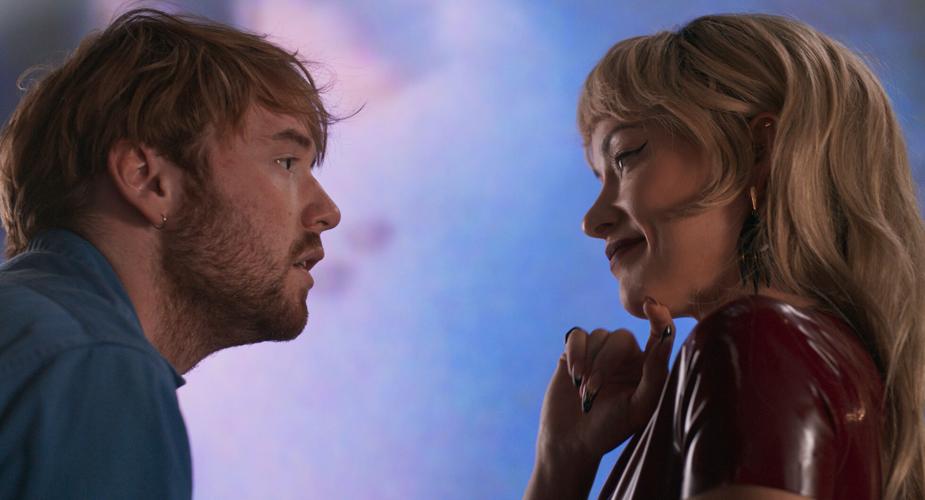
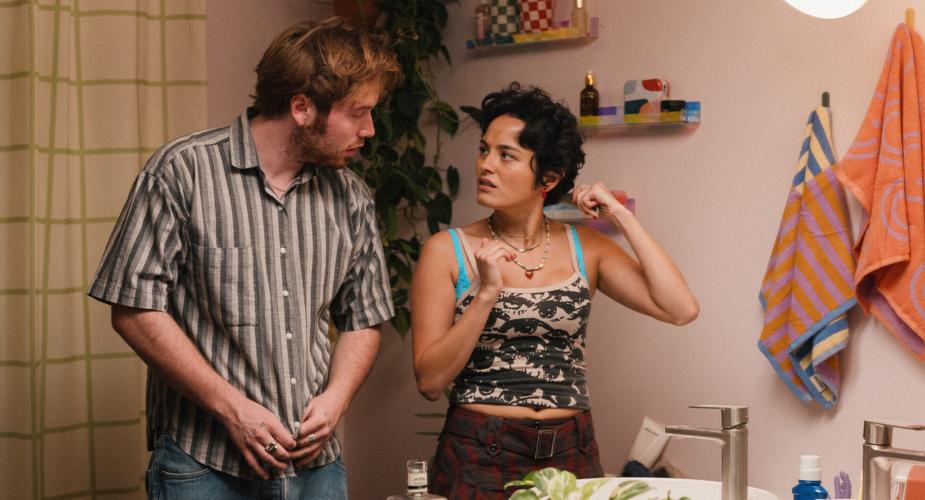
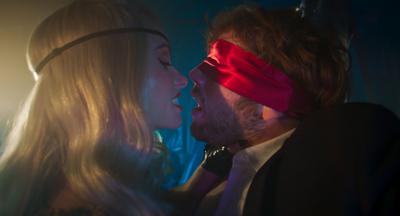
Cooper Hoffman (The Long Walk and Licorice Pizza) stars as Elliot, a new employee at an art gallery. His boss is herself an artist named Erika Tracy. He loves art and genuinely has an interest in it. He's also a fan of Erika. It probably doesn't hurt that she's a beautiful woman with whom he has a crush. Seemingly, she could hook up with any guy, but out of nowhere she initiates a sexual relationship with Elliot. He never questions why because of his crush and because of the problems with his girlfriend. While some might consider it sexual harassment or grooming, Elliot seemingly enters into this affair willing.

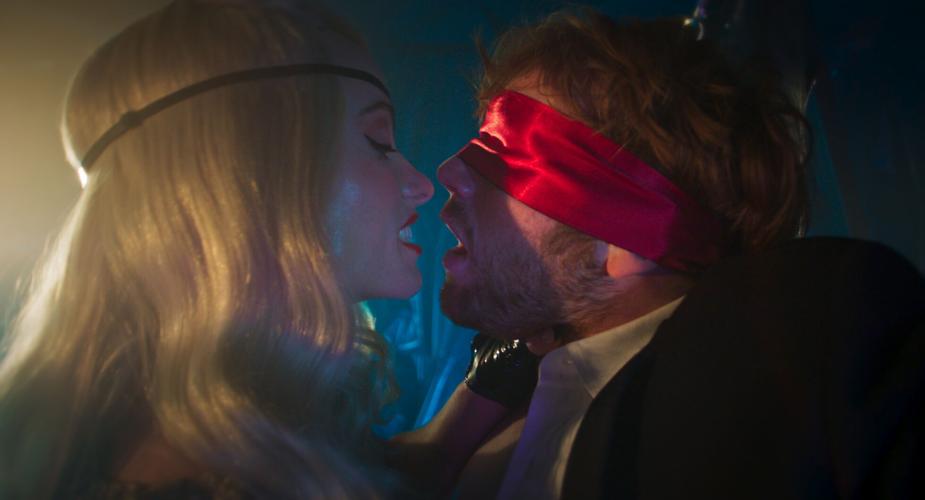
Earlier this year, Harry Lighton's Pillion (2026) brought the concept of BDSM back into the conversation, specifically depicting a sub-dom relationship. At first, that's what seemed like what was happening between Elliot and Erika, and that is essentially what is happening. Lighton's film was about a young man discovering and learning to embrace a sub-dom being a part of who he is and his sexuality. It could be argued that the same could be said about Elliot. This film doesn't feel like a coming-of-age or self-discovery story in that way. The way the film opens, it feels as if it would be Araki's version of Sunset Boulevard (1950), where we see the downfall of a younger man at the expense of a desperate woman.
Olivia Wilde (Don't Worry Darling and Tron: Legacy) co-stars as Erika Tracy, the so-called desperate woman. She doesn't come across as a Norma Desmond-type. With the BDSM on display, she comes across as a dominatrix type. She's anti-woke, sex positive, no-nonsense and a dedicated artist. She's very bold. She's also an ice queen. It's clear that she has no romantic feelings for him. Unlike Lighton's film, there's no illusions that she ever will have any romantic feelings for Elliot. It might be his delusion that she will.

One of the films that put Araki on the map was Mysterious Skin (2004), which was about how a young man has been affected by sexual abuse. This film could be placed in that same bucket. The tone in the end doesn't suggest that what Elliot experienced was sexual abuse, although a character in Mysterious Skin doesn't see what he experienced as sexual abuse at first but comes to acknowledge it at the end. This film comes to no such acknowledgment.
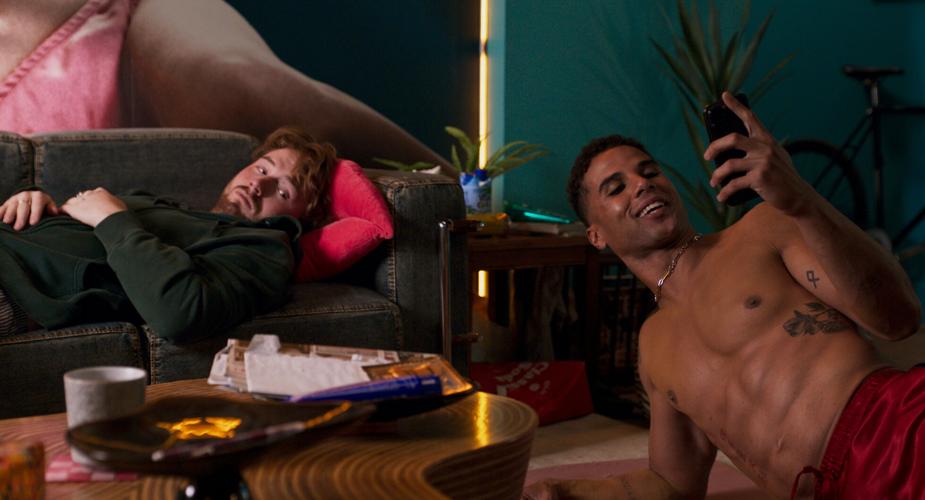
Mason Gooding (Heart Eyes and Scream) plays Zap, a gay man who also works at the art gallery. He's the only person, other than Erika, to whom Elliot speaks. Gooding is playing all the gay stereotypes, but it's certainly something different for him. Daveed Diggs (Nickel Boys and Hamilton) plays Victor. His character barely speaks. He spends the whole film, giving annoyed looks at Elliot. It's suggested that he might be gay but we don't get much about who he is or anything deeper about him. Gooding and Diggs are great actors who are representing Black queer experiences, but I wish actual Black queer actors were cast.

Rated R for strong sexual content, graphic nudity, and pervasive language.
Running Time: 1 hr. and 30 mins.
In theaters July 31.