


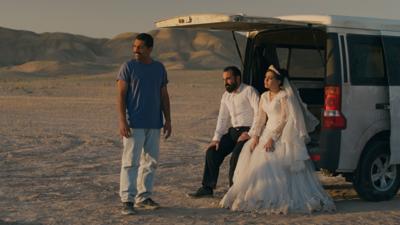
On February 28, Israel and the United States engaged in joint attacks in the Middle East, against the Persian country, kicking off what's now called the 2026 Iran War, aka Operation Epic Fury. This follows what was called the Twelve-Day War back in June 2025 when Israel attacked Iran's nuclear facilities and the United States assisted by bombing enrichment sites. A ceasefire was called, but in December 2025, massive protests against the Iranian government by its citizens broke out. Most of it was about the economic crisis in that nation. The government responded by killing those protestors in massacres of thousands of people. Some argue that the United States' participation in the 2026 Iran War is partly due to those massacres and believing in regime change.
Iran's government is a repressive regime and there have been precursors to those massacres. This film by Jafar Panahi is a reflection of some of those precursors. Back in 2009, or 15 years ago, massive protests broke out in Iran over the presidential election that year, which many thought was fraudulent. Those protests were known as the Green Movement. The Iranian government responded by arresting protestors and putting them in prison where they were tortured. Anyone who supported the protests or even journalists that reported on it were imprisoned and beaten too. This persecution was depicted in Jon Stewart's Rosewater (2014).

Panahi was a supporter of the Green Movement or the Green Wave. Panahi's debut feature, The White Balloon (1995) was Iran's official submission to the 68th Academy Awards, but, in the early 2000's, Panahi's films became more political and critical of Iran's treatment of women. After his involvement with the Green Movement, Panahi was arrested and convicted of propaganda against the regime. He was subsequently barred from making films in Iran, but that didn't stop him from continuing to do so in secret or guerilla style. This current film is a reflection of his experience or feelings following his arrest, as much as it is a spiritual sequel to Stewart's Rosewater.
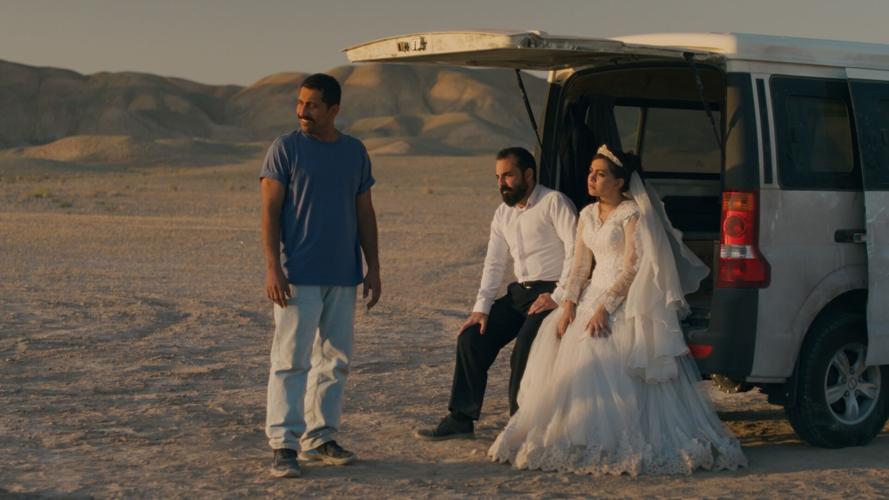
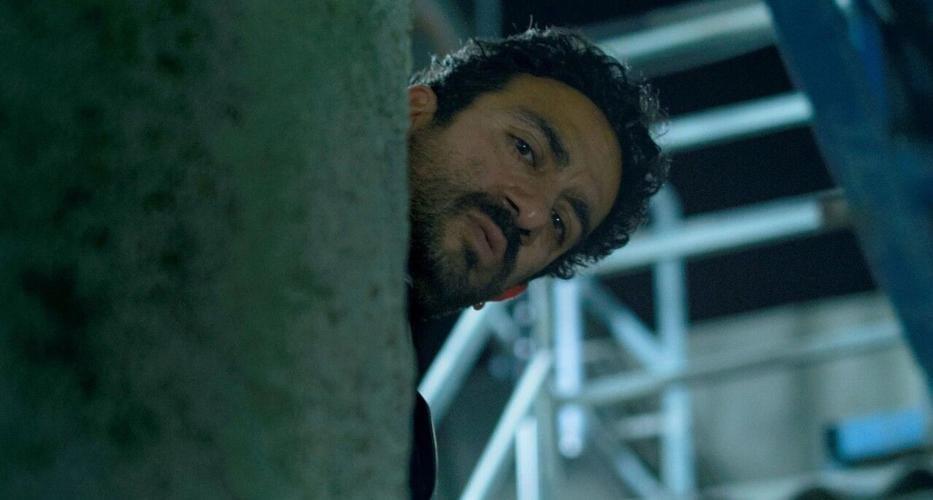
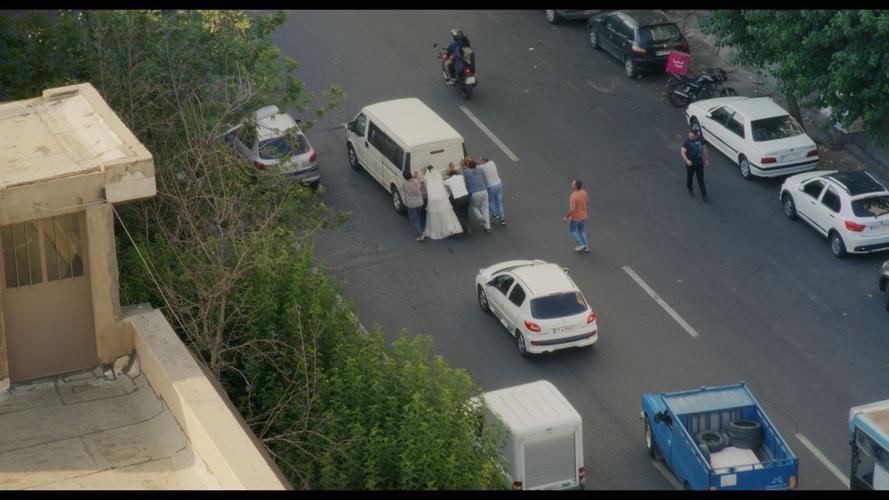
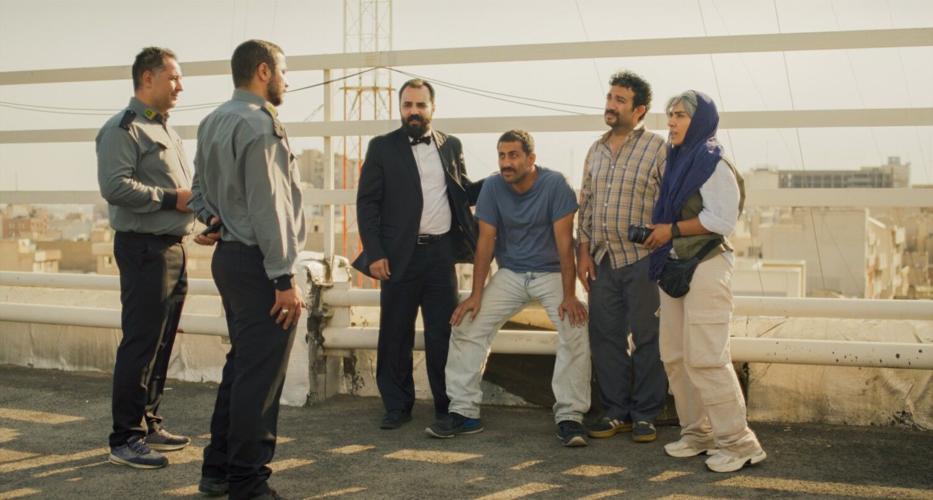
Vahid Mobasseri stars as Vahid, a mechanic who was engaged to be married, but his job wasn't paying him. In fact, Vahid hadn't been paid for eight months. He was frustrated and angry, so he clearly participated in the Green Movement, as probably a protestor. As a result, he was arrested. While in prison, he was beaten and tortured. His fiancée committed suicide and Vahid has been living in this traumatic space ever since. A decade or so later, Vahid thinks that he's found the man who tortured him while in prison. Vahid spends the day trying to determine if it is truly the man and how he's going to exact revenge.
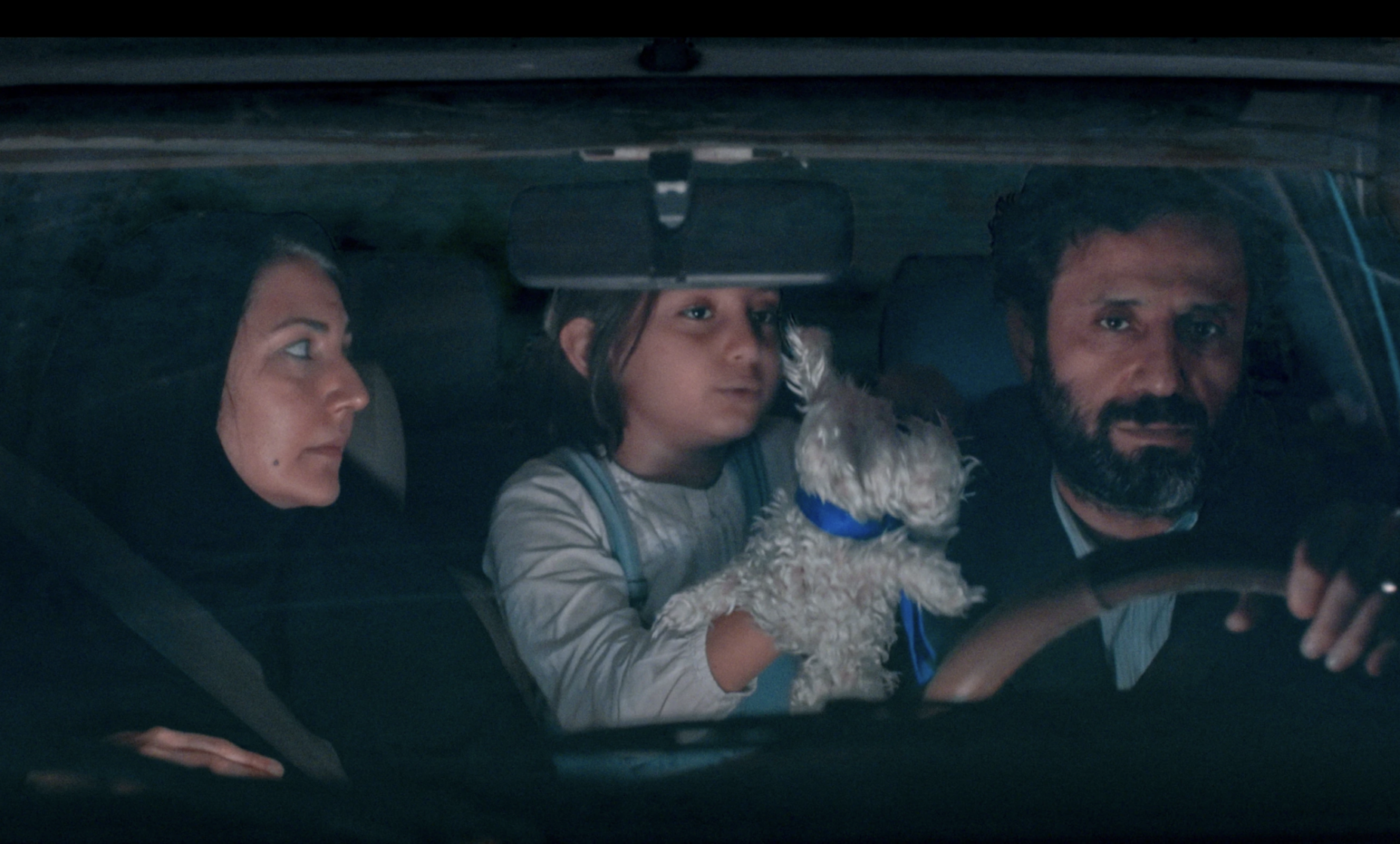
As the film begins, the feeling that's evoked is Alfred Hitchcock, specifically Hitchcock's Psycho (1960). Panahi's film isn't a total horror or slasher flick. In Hitchcock's film, he does a perspective shift that throws you off guard about how the narrative unfurls. Hitchcock was the king of down-to-Earth thrillers about people who get in over their heads, and that's essentially what happens here with Vahid. There are slight comedic elements but the film becomes a literal vehicle to express what political prisoners experienced or what communal trauma might look like.
I'm not two familiar with Panahi's work, but he seems like a humanist, so making Vahid a vicious murderer doesn't feel like the arc here. That could have been a compelling route for Panahi. However, he wants to distinguish the prisoners from those who did the torturing and not have them sink to that level. Therefore, the ending feels inevitable. It's just a matter of how Panahi will get there, or if they'll be anything beyond the victims expressing their pain and proving themselves better.

If anyone remembers ABC's Lost (2004), there was an episode in Season 3 that was about a prisoner who finds the man who tortured her. It was also about that prisoner confronting her torturer. There's a moment here that mimics that dynamic. The way Panahi shoots this film is a little distancing. To be fair, Panahi probably had to shoot it the way he did because he's not legally able to make films, so he has to do it secretly. As a result, a lot of shots are done in wide-angle, literally from a distance, and performed in long, continuous takes with little cutting. This reduces lighting setup in order to make filming go faster. The cast of actors are fantastic, so it works, but I certainly could feel that distancing, which prevented me from connecting with it fully.
I'm not too familiar with Iranian cinema. I've only seen the films from Asghar Farhadi. Usually, those films get submitted to the Academy Awards for Best International Feature from Iran officially. There are films that get submitted from other countries, representing Iranian or Persian filmmakers. Such was the case last year with Mohammad Rasoulof's The Seed of the Sacred Fig (2024), which was a more effective or affecting film. Rasoulof's film was submitted from Germany because the fellow Oscar-nominee was also critical of the Iranian government and even incorporated real footage of the 2022 protests in Iran, following the death of Mahsa Amini while in police custody. For Panahi, France is the country that is submitting his film and it's good that Panahi is getting the support to do his art, even though that support isn't coming from his homeland. He's up for Best Original Screenplay, his first individual nomination.

Farhadi's films like A Separation (2011), which was the first Iranian feature to win the Oscar for what's now known as Best International Feature, is a film I prefer over this one. I would even recommend Rasoulof's film over this one. Yet, it's clear that Panahi is an incredibly and highly resilient filmmaker.
Rated PG-13 for violence, strong language, and smoking.
Running Time: 1 hr. and 43 mins.
Available on Hulu.