
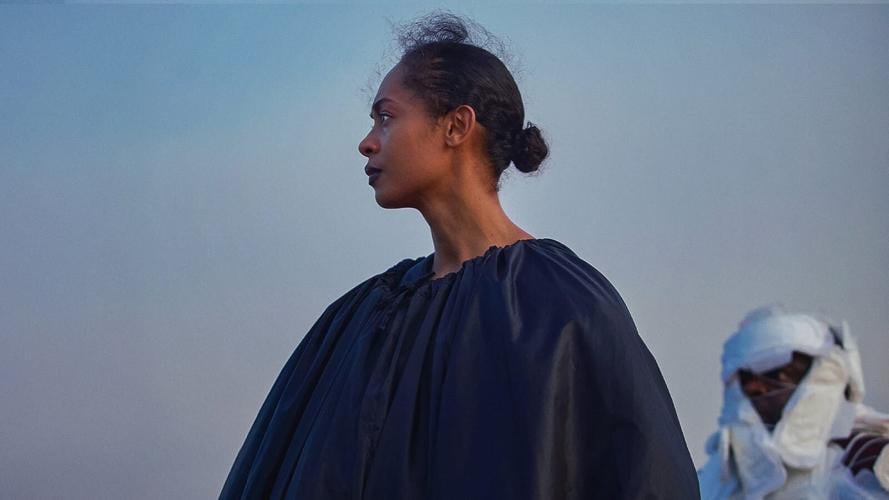

This film premiered at the 77th Cannes Film Festival in 2024 where filmmaker Rungano Nyoni won a directing award. It was released in the United Kingdom that year. It was nominated for seven British Independent Film Awards, including Best Screenplay, Best Casting, Best Supporting Performance, Best Lead Performance and Best Film. It won two, including Breakthrough Performance and Best Director. It also got nominated for Best International Feature at the 41st Spirit Awards. Nyoni was recognized at all those same places for her previous film, which was her debut, I Am Not a Witch (2018), which was the UK's official submission to the 91st Academy Awards. Like her debut, this sophomore feature is about the unfair treatment of women in the country of Zambia, and how often women are pushed to do things they don't want. Nyoni's debut was more in the realm of professional relationships. This one is more in the realm of personal relationships and within family.
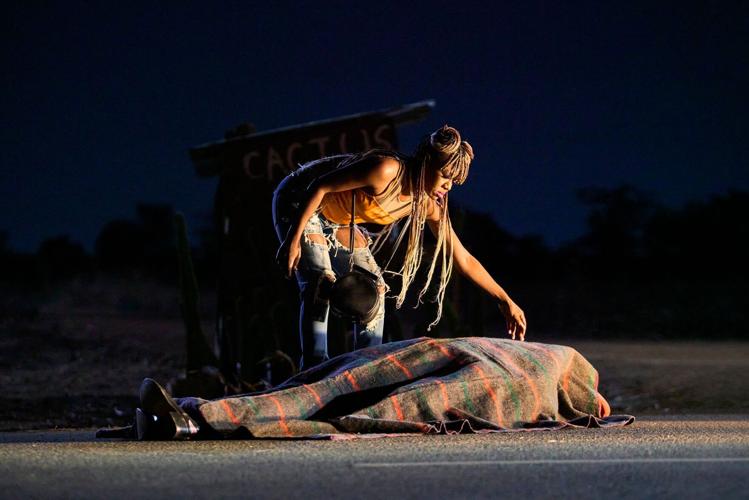
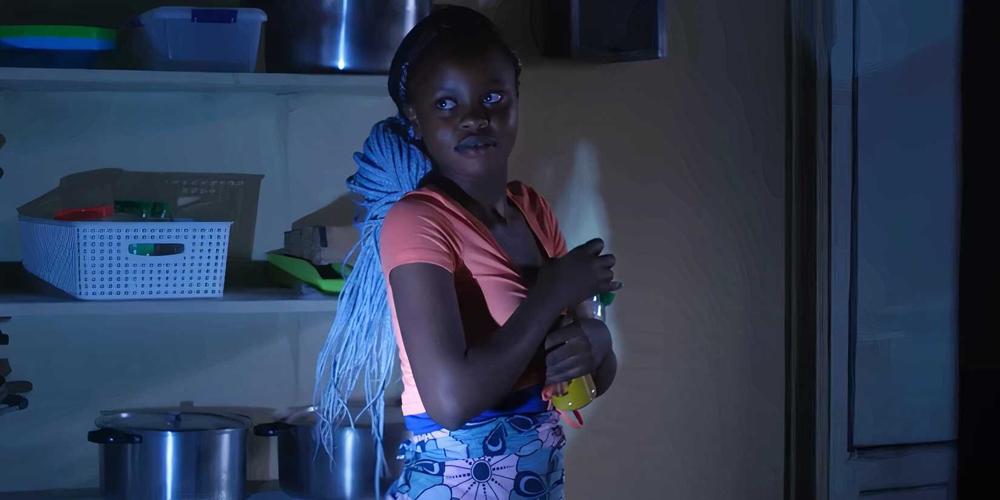
Susan Chardy, in her feature debut, stars as Shula, a woman living in Zambia. One night, she's driving home and she sees a dead body lying on the road. When she stops, gets out and investigates, she learns that the corpse is her uncle Fred. She's not upset. She's not sad. She's rather unemotional or unmoved. When others find out, they start mourning loudly and in over-the-top ways. Yet, Shula doesn't seem to mourn at all. Some comment that she has a cold heart. She could simply be in shock, or it could be that she doesn't care. She might not love this particular family member because maybe she doesn't know this particular uncle all that well. The question immediately is why. Why doesn't she love this uncle and why isn't she mourning him?

Elizabeth Chisela co-stars as Nsansa, the cousin to Shula. She arrives to the spot on the road where the body is. She joins Shula who is waiting for the police. Nsansa's reaction to the corpse is not what one would expect either. She's almost celebratory, dancing and joking as if she's drunk. Nsansa is clearly not mourning what is her family member too. If anything, she seems happy that uncle Fred is dead. It becomes a secondary question of why Nsansa is reacting the way that she is.
It might be a bit of a spoiler, but this film joins other notable features this year like Sorry, Baby (2025) and After the Hunt (2025). It's not to reduce any of them, but these films could be considered Me Too Movement films. They're about how and when women report or talk about sexual abuse, either harassment or rape. It becomes apparent a third of the way through the narrative that the reason that Shula and Nsansa aren't mourning uncle Fred is because they know that he's a perpetrator of sexual abuse.

There comes a point where it's not even a doubt about Fred's guilt. Uncle Fred is a rapist and an incestuous one, having abused Shula and Nsansa, two members of his family. The dilemma develops of how they deal with it or how they handle it. At first, Shula would rather stay away and avoid anything having to do with uncle Fred. Unfortunately, her aunts or the women in her family who are called "aunty" force her to participate in Fred's funeral, which includes a couple of days of mourning where Shula has to cook, clean and even put together a program that features a glowing eulogy of Fred. In a way, she's being forced to honor and pay respect to her rapist.
An interesting turn is that Shula doesn't really care about herself or Nsansa. Instead, she cares about what are Fred's younger victims, which includes Fred's widow who seems like a child bride. Shula's efforts are to help them and not necessarily herself. Things are overshadowed due to Fred's family and his widow's family getting into an argument and fight over Fred's property and possessions, including a house. The fight becomes whether his widow should inherit any of it. It's frustrating because the argument is one that ignores the accusations against Fred. The accusations aren't even brought up.

Nyoni's film isn't about adjudicating or trying to settle the accusations against Fred. Nyoni's narrative is about how men get away with these crimes and how women allow it or close in ranks, as well as how family's overlook them. It's also about how difficult it is for a woman or anyone to dissent or try to push back. It's reminiscent of a recent Oscar nominee in Best Documentary Feature, To Kill a Tiger (2023), which had an arguably happier ending than this one.
Rated PG-13 for thematic material, involving sexual abuse and some drug use.
Running Time: 1 hr. and 39 mins.
Available on HBO Max.