
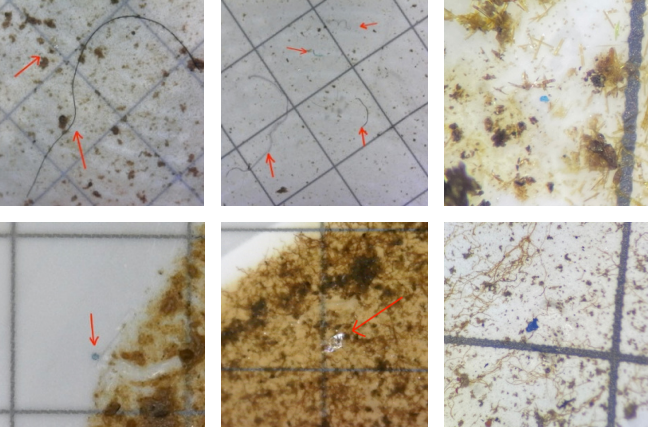

DELMARVA - Every water sample taken from the Chesapeake Bay Watershed and its tributaries had microplastics found, according to a new report from the non-profit Environment America.
Microplastic is plastic less than 5mm in length, or smaller than a grain of rice, according to their report. Microplastics create an environmental and public health threat, with suffocation and starvation hazards to wildlife, and the possibility of hormonal effects and reproductive disorders in humans. The Chesapeake Bay Foundation says they can degrade the ecosystems they enter, including human bodies, leaching harmful toxins and damaging DNA.
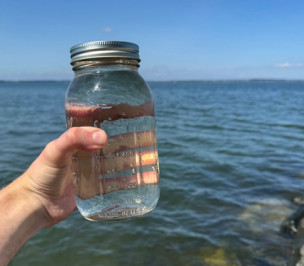
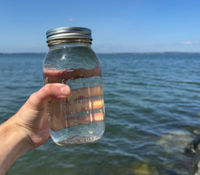
(A water sample from the Chesapeake Bay. Courtesy of Environment America)
The group tested for 90 samples for microplastics from 15 sites across the watershed states, from New York to Virginia. On Delmarva, they took samples from the Choptank and Nanticoke Rivers in Dorchester County, and the Chesapeake Bay itself in Talbot County.
At all 15 sites, including the Delmarva sites, there was fiber, from clothing and textiles, found in the samples. All sites except for one in Virginia tested positive for microfragments, a microplastic typically from harder plastics or plastic feedstock. Microbeads --- from cosmetic and personal care products, especially facial scrubs --- were found in four sites, including the Choptank River.
The group poses seven immediate policies federal, state, and local leaders should implement to combat this environmental crisis:
- Reducing single-use plastics and plastic packaging
- Tackling plastic pellet pollution
- Fighting textile waste
- Reducing the fossil fuel to plastic pipeline
- Defending against environmental rollbacks
- Reforming recycling laws and programs
- Filtering out toxic contaminants
The Chesapeake Bay Foundation's Science Manager Gussie Maguire says Maryland must take action to reduce the amount of plastic used across the state.
"Microplastics are bad news for the Chesapeake Bay. Sadly, this study demonstrates what many of us already suspected: there is too much plastic in the Chesapeake Bay watershed," Maguire says. "Maryland... can start by limiting single-use plastics, investing in programs that reduce litter, and remembering that ‘reduce’ and ‘reuse’ intentionally come before ‘recycle.’"