
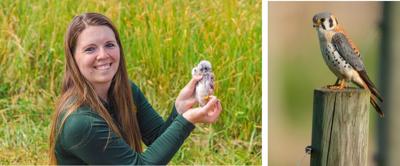

DELAWARE - The U.S. Fish & Wildlife Service’s Wildlife Restoration Program has awarded Delaware $120,000 in support of the study and preservation of the American kestrel, a falcon currently endangered in the First State.
According to the Delaware Department of Natural Resources and Environmental Control (DNREC), the funding will aid in critical conservation efforts of North America’s smallest falcon species, including tracking of the birds. Ten new bird-monitoring radio towers are planned to join an international network to detect passing kestrels that have been tagged with radio transmitters. Delaware currently has nine radio towers in place to monitor the birds.
“This is an exciting new development in our kestrel research,” said Raptor, Grassland and Forest Bird Biologist Jordan Brown with the DNREC Division of Fish and Wildlife. “We have received permission and funding to place nanotag radio transmitters on kestrels in 2024 to track their movements and survival, and we were also granted funding to build 10 additional Motus Wildlife Tracking System towers to increase detection of Delaware-tagged birds, as well as animals tagged elsewhere.”
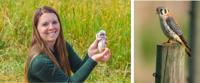
The American kestrel is about the size of a mourning dove, DNREC says, and have the ability to turn into headwinds and hover in place while searching for prey. The falcons have suffered a 93% decline in population in the Mid-Atlantic according to DNREC. They were added to Delaware’s endangered list in 2013.
The first of the new radio towers is slated for installation today, February 5th at the Delaware Nature Society’s Abbott’s Mill Nature Center outside of Milford. Delaware Nature Society currently hosts nine kestrel boxes that have supported the successful hatching of 55 kestrel chicks in seven years, DNREC says.
Two more towers are planned for installation on state wildlife areas before spring, with the remaining installations set for a later date.
For more information on the tracking of the American kestrel and other wildlife, you can visit the Motus Wildlife Tracking System website here.