
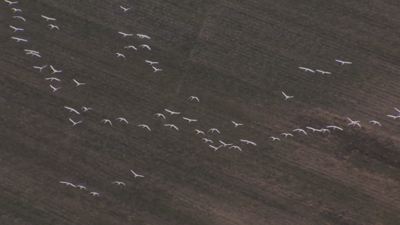

KENT COUNTY Del. – With Delaware’s waterfowl hunting season reopening this week, the Department of Natural Resources and Environmental Control is reminding hunters to take extra precautions following the confirmation of highly pathogenic avian influenza in a wild snow goose.
DNREC says a sick snow goose collected December 8 in eastern Kent County initially tested presumptive positive for H5 avian influenza at the University of Delaware’s Allen Laboratory. Follow-up testing by the U.S. Department of Agriculture’s National Veterinary Services Laboratory confirmed the virus as H5N1 highly pathogenic avian influenza on December 15.
The third and final segment of Delaware’s duck season opens Wednesday, December 17, followed three days later by the migratory Canada goose season. DNREC is urging hunters to safely handle harvested birds and to report any sick or injured waterfowl or other wild birds encountered in the field using the state’s sick and injured wildlife reporting form.
Officials say signs of avian influenza in wild birds may include uncoordinated movement or an inability to fly.
DNREC says hunters can reduce the risk of spreading the virus to poultry or pet birds by taking basic precautions, including:
Dressing game birds in the field whenever possible
Cleaning birds away from poultry and pet birds if dressing at home
Wearing rubber gloves while handling harvested birds
Using dedicated tools and footwear for game cleaning
Double-bagging carcass remains and feathers and disposing of them securely
Washing hands, tools, and surfaces thoroughly with soap and water
DNREC and USDA’s Animal and Plant Health Inspection Service Wildlife Services will work together to collect and track sick or dead wild birds if HPAI spreads further in the state. Officials note that reporting a sick or dead bird does not guarantee a response, but each report will be assessed.
State health officials say the risk to the general public remains low. While H5N1 has infected a small number of people nationwide, there is no documented person-to-person transmission in the United States. Children and pets should be kept away from wild birds and bird droppings, and the public is advised not to handle sick or dead birds without proper protective equipment
Anyone who has had contact with wild birds or poultry and develops flu-like symptoms is urged to contact the Delaware Division of Public Health for guidance. Severe symptoms should prompt immediate medical attention.
More information on avian influenza affecting wildlife is available on DNREC’s website. Details related to HPAI and Delaware’s poultry industry can be found at de.gov/poultry.