
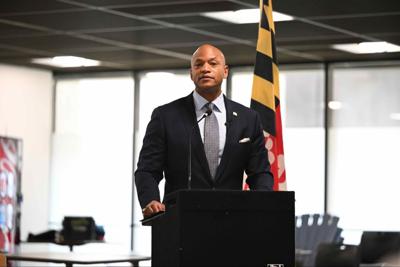


ANNAPOLIS, Md. - Maryland Governor Wes Moore has signed two high-profile public safety bills into law, including the controversial Youth Charging Reform Act and a separate measure restricting when law enforcement officers can wear face coverings while interacting with the public.
Senate Bill 323, known as the Youth Charging Reform Act, changes how minors accused of certain serious crimes are handled in Maryland courts. Under the new law, children over the age of 10 accused of certain serious crimes, including first-degree assault or some gun offenses, would automatically fall under the jurisdiction of the juvenile court system.
Children over 16 charged with serious crimes, such as those punishable by life imprisonment as an adult, would not be subject to the juvenile court system, however.
As WBOC previously reported, supporters of the legislation argued the bill would place a greater emphasis on rehabilitation and reduce the long-term impacts of charging juveniles as adults. Critics, including some prosecutors and law enforcement officials, warned the changes could weaken accountability and pose public safety concerns.
Under the new law, fewer offenses will automatically send juveniles into adult court. Instead, many cases involving minors accused of violent crimes will now begin in juvenile court, though prosecutors can still request transfers to adult court in some situations.
The law keeps automatic adult charges in place for certain crimes, including murder and some rape offenses involving specific age requirements, while shifting other offenses into the juvenile system first.
Moore also signed Senate Bill 1 on Tuesday, which limits the use of masks and face coverings by law enforcement officers while performing official duties. The measure generally requires officers to display their faces while interacting with the public, with exceptions for situations involving health protections, undercover operations, tactical responses, or environmental hazards.
SB 1 emerged amid broader national debates over masked law enforcement officers participating in immigration enforcement operations, protests, and crowd-control situations. Testimony submitted in favor of the bill said visible identification is important for constitutional accountability and civilian oversight, while critics such as the Maryland Chiefs of Police Association argued it would expose officers to increased risk of retaliation or intimidation.
The new ban on face coverings is slated to take effect in October, according to the legislation.