

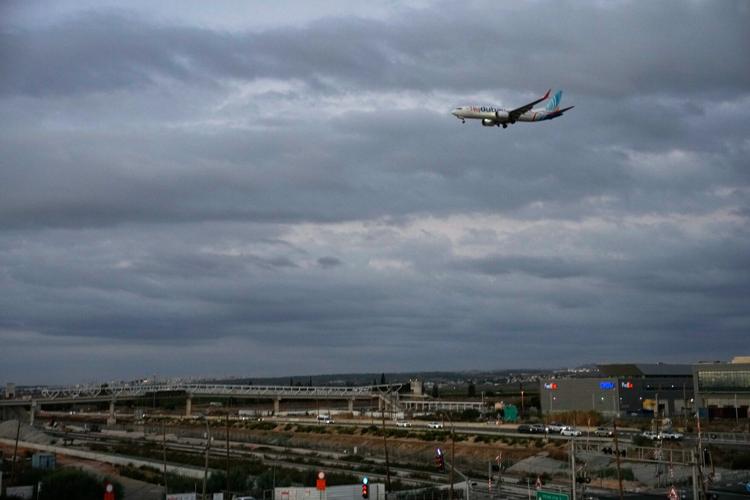
JERUSALEM (AP) — The investigation into the thwarted FlyDubai cockpit attack last week has turned into a wide security and intelligence probe spanning from the Middle East to New Zealand as authorities try to figure out how the suspect, previously flagged for extremist views in Oman, was cleared to fly an Israel-bound flight.
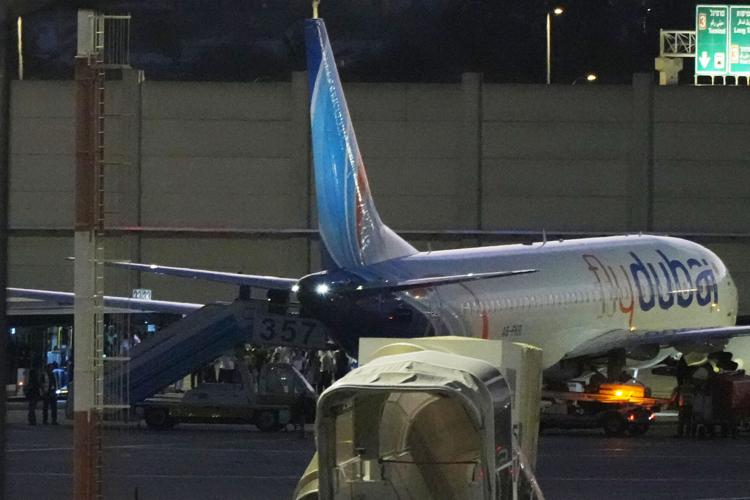
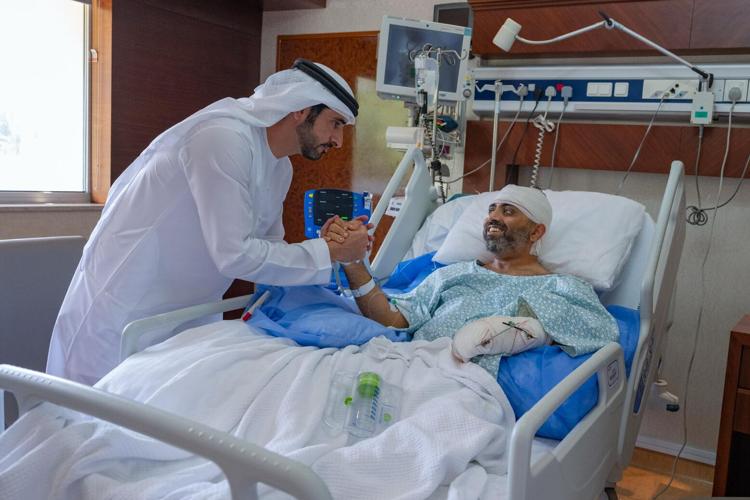
Investigators in the United Arab Emirates, along with Israeli and Saudi authorities, are treating the midair assault by the ax-wielding Omani co-pilot, Hamam al-Hammami, as a planned terror attack. The plane's wounded captain managed to open the cockpit door to allow passengers in. They subdued the attacker and the plane made an emergency landing in Saudi Arabia.
The suspect was detained and sent to the UAE, where he remains in custody, and the focus of the probe has now shifted toward addressing apparent vetting failures.
Here are some key aspects of the investigation that are still being sorted out.
CLAIM: The co-pilot should have been barred from flying to Israel.
THE FACTS: It's unclear how a citizen of Oman, an Arab country that has no diplomatic relations with Israel, was allowed to fly a planeload of Israelis to Tel Aviv.
Israeli law requires airlines to provide information about passengers and crew members, including their names and nationalities, to Israel up to 48 hours before a flight.
Authorities in the UAE did share with Israel a list of passengers and crew ahead of the flight, according to officials who spoke on the condition of anonymity because they were not authorized to speak to reporters about the probe.
Israel had not raised red flags on any passengers or members of the crew, the officials said.
Israeli Prime Minister Benjamin Netanyahu said on Thursday — a day after the attack — that Israel has long-standing agreements with foreign carriers to keep pilots from flying into the country if they are citizens of nations that don’t maintain diplomatic relations with Israel.
Separately, officials have said that al-Hammami, who had spent some time in New Zealand, had been barred from flying by his native Oman because of concerns there that he had adopted extremist views.
The Shin Bet, Israel’s domestic security agency, said the Transportation Ministry is responsible for vetting passenger lists from foreign flights.
However, Israeli Transportation Minister Miri Regev said on X that security agencies are responsible for flight security and that her ministry wasn’t given a list of passengers or any warnings.
CLAIM: Netanyahu said al-Hammami “underwent Islamist radical indoctrination.”
THE FACTS: Officials have offered scant insight into al-Hammami's motivations, and authorities in Israel, the UAE and Oman have not provided any details about his adoption of radical views.
Still, it does appear he had been plotting to carry out an attack for some time.
The initial investigation, which is being led by the Emiratis, found that al-Hammami originally planned to carry out the attack in July but did not go through with it at the time, according to a regional official who spoke on condition of anonymity because they were not authorized to speak to the media.
He specifically sought out work with an airline that flew to Israel in order to carry out the attack, according to the investigation.
CLAIM: U.S. President Donald Trump suggests that Iran may be linked to the in-flight attack.
THE FACTS: In his first public comments about the incident, Trump hinted there could be a link when asked by reporters at the White House whether he had been briefed about any connection between the co-pilot and Tehran.
“I would say the answer, based on what I’m hearing, is yes, but we’re working on it right now,” Trump said. He did not elaborate about why he suspected Iranian involvement.
Trump also said that if the link to Iranian authorities was determined, they would face “very hard” retaliation.
But in the days since, regional officials have said they've yet to find any Iranian nexus. And Trump hasn't offered any evidence backing his initial speculation.
CLAIM: Netanyahu's rivals say the prime minister's government dropped the ball.
THE FACTS: In the days ahead, how the investigation plays out could have enormous consequences for Netanyahu as Israel gets ready to hold national elections on Oct. 27.
Netanyahu has long tried to cultivate an image as uniquely capable of keeping Israel strong and managing its existential threats.
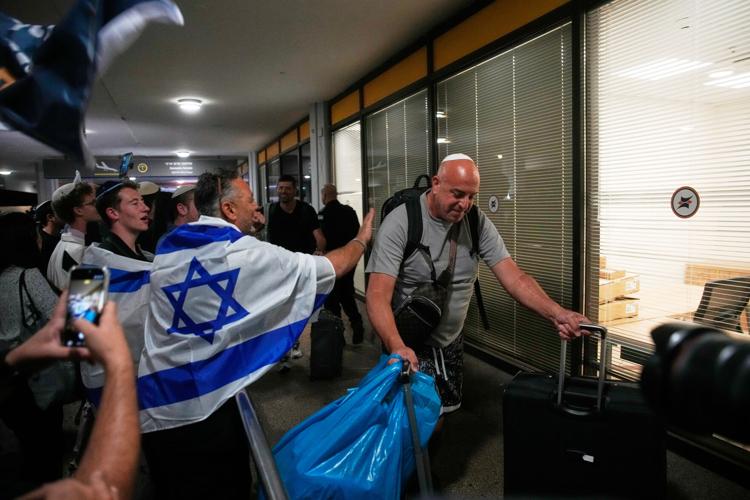
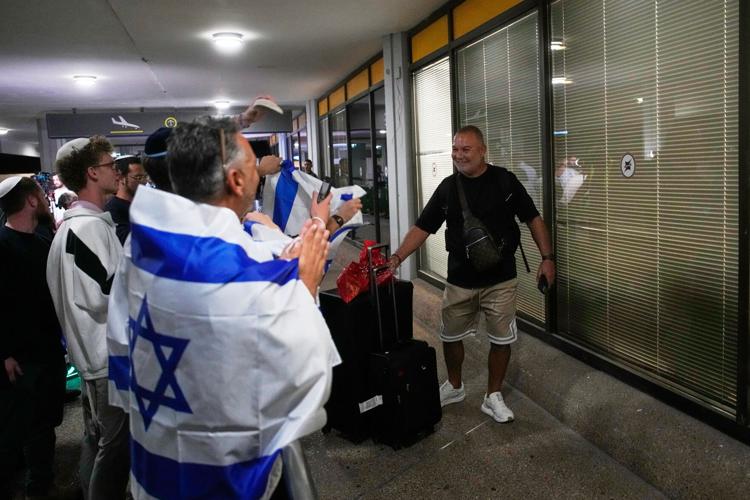
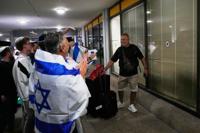
Israelis celebrated their countrymen on the flight who quickly sprang to action to subdue the co-pilot after he attacked the plane's captain, Smit Machchhar, and tried to crash the plane. Netanyahu greeted the passengers after they arrived back in Tel Aviv and heralded the quick action of several aboard for preventing a catastrophe.
But Netanyahu now finds himself facing criticism from some political opponents who say security lapses by his government led to the situation.
Former prime minister and B’Yachad party leader Naftali Bennett and Yashar party leader Gadi Eisenkot, a leading rival to Netanyahu in this month's election, have demanded Netanyahu fire Regev, the transportation minister, over the incident.
Netanyahu has called on the head of the National Security Council to appoint an examiner to review “all security aspects" of Israel's civil aviation in the aftermath of the incident.
But opposition leader Yair Lapid has dismissed Netanyahu’s ordered probe as a “sham.”
“The chain of failures that preceded the incident could have led to a disaster of historic proportions, and this is how an Israeli prime minister responds?” Lapid wrote on X.
Bennett and Eisenkot sought to connect the FlyDubai attack with the Hamas-led October 2023 attack on southern Israel that triggered the war in Gaza.
Both attacks, they argue, reflect Netanyahu’s failure to keep Israelis safe and an unwillingness to acknowledge responsibility.
Lidman reported from Tel Aviv, Israel, and Magdy from Cairo.