
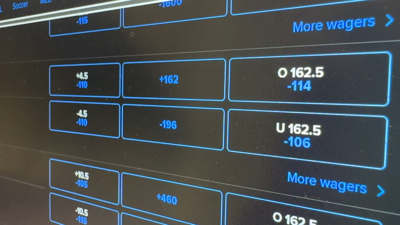

As March Madness gets underway, addiction counselors on the Eastern Shore say the excitement of the NCAA tournament is also shining a light on a growing concern: problem sports gambling.
For many fans, the tournament means brackets, big games and money on the line. But counselors say the rapid rise of sports betting, especially on mobile apps, is making it easier than ever for casual betting to turn into something more serious. A 2024 Maryland gambling prevalence report found that 16.8% of Maryland adults reported betting on sports in the past 12 months, while 11.5% said they had bet online or on mobile platforms. The report also found sports gambling was more prevalent in 2024 than in previous surveys, with a particularly large increase in online and mobile betting after that form of wagering became legally available in Maryland in late 2022.
Mikki Justice, an addiction counselor in Salisbury with Peninsula Mental Health and Addiction Services, said gambling addiction can mirror other forms of addiction because of its compulsive nature and the damage it can cause to relationships, finances and daily life.
“Just like with any other addiction,” Justice said, “it’s one of those things that you keep doing it even though it’s got negative outcomes.”
Justice said major sports events like March Madness can be especially difficult for people struggling with gambling because betting is constantly promoted through television, commercials and social media. She said the ease of placing wagers on a phone has changed the landscape.
“It’s all over the TV. It’s all over the commercials, social media,” Justice said. “They could do it right from their phone. It is right at the palm of their hand.”
The Maryland report found 5.7% of adults in the state showed disordered gambling behavior, up from 4.0% in the 2022 survey. Another 9.8% were considered at-risk gamblers. Among Maryland adults who had ever gambled on sports, the share reporting sports gambling in the past year rose from 41.2% in 2022 to 64.6% in 2024, while online and mobile sports gambling in the past year rose from 10.1% to 44.2%.
For the Eastern Shore, the issue carries added weight. The 2024 report cites earlier 2022 Maryland data showing the Eastern Shore had the highest prevalence of disordered gambling among the state’s geographic regions.
Justice said some of the warning signs can include irritability, neglected responsibilities, missing money, hidden accounts and a growing focus on gambling over family or work.
“They’re neglecting their priorities, they’re neglecting family,” Justice said. “Loss of control. They get very irritated very easily.”
Justice said help is available locally for people who think their gambling may be becoming a problem, even if they do not believe they have reached a crisis point.
“If you feel that something started becoming a problem, please feel free to call,” she said. “You don’t have to wait until you’re full dependent on something.”
As the tournament begins, counselors say that distinction matters. For some, March Madness will stay a fun annual tradition. For others, they say the danger begins when the bets keep going long after the buzzer sounds.