
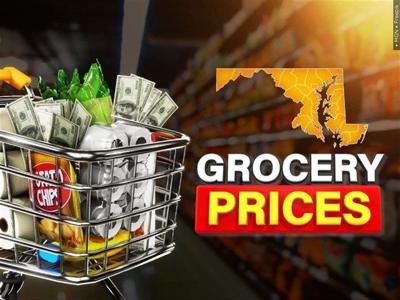

SALISBURY, Md. - Maryland has become the first state in the country to ban grocery stores from using dynamic pricing or personal consumer data to raise prices on shoppers.
Gov. Wes Moore signed the Protection From Predatory Pricing Act into law Tuesday, saying the measure is meant to protect Marylanders from data-driven price hikes at a time when many families are already dealing with high grocery costs.
The law prohibits grocers and third-party delivery services from using dynamic pricing or a shopper’s personal data to set higher prices. It also requires grocery prices to remain fixed for at least one business day.
“At a time when our people are being squeezed by the cost of everything, especially groceries, Maryland is not just pushing back, but pushing forward,” Moore said in a statement.
Supporters say the law is designed to make sure the price a shopper sees on the shelf is the price they pay at the register.
In Salisbury, shopper Matt Ioannides said grocery shopping already requires planning.
“I usually plan out my grocery shopping beforehand, so I’ll check the prices online, and then I’ll go and, you know, if the price is different, I’m gonna be pissed,” Ioannides said.
Ioannides said the idea of stores using customer data to raise prices would feel like shoppers were being taken advantage of.
“If I got a list that I made and I know how much I’m going to be spending, and I go to the store and I end up spending more because they know that I’m going to buy certain things like that, it’s kind of ridiculous,” he said.
At Grocery Outlet in Salisbury, owner Joe Bean said his store does not use dynamic pricing or digital shelf labels. Bean said the store’s model is built around offering discounted groceries, often buying products that other retailers no longer carry or items with older packaging.
“We do 40 to 70% off local grocery stores,” Bean said.
Bean said digital shelf labels could save paper and reduce costs, but he prefers traditional paper price tags.
“The digital signs would be nice, it would be less paper, less cost, but no, there’s a lot that could go wrong with the digital price signs,” Bean said. “So I prefer the paper price signs.”
Bean said customer trust is one of the most important parts of running a local grocery store.
“I made a promise when I first opened that we were here for the community,” Bean said. “If I were to ever do something like that, I’d lose the trust.”
Violators of the law could face fines of up to $10,000 for a first offense and up to $25,000 for additional offenses.
Bean said lawmakers should make sure large retailers are held accountable without hurting locally owned stores.
“If we all know what the law is, we’re all on the same page,” Bean said. “And at the end of the day, it protects the consumer.”