
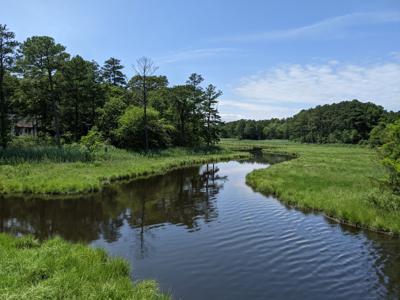

DOVER, Del. - Delaware lawmakers are advancing legislation that could significantly expand protections for thousands of acres of wetlands across the First State.
Senate Bill 9, known as the “Wetlands Stewardship Act,” would create Delaware’s first combined program regulating both tidal and non-tidal wetlands, areas considered critical for flood protection, water quality, and wildlife habitat. The proposal follows years of negotiations and growing concern that shifting federal rules have left more wetlands vulnerable to development.
“This legislation is the result of a years-long effort — with negotiations first beginning back in 1988 — to ensure Delaware is taking responsibility for protecting one of its most valuable natural resources,” said Sen. Hansen, Chair of the Senate Environment, Energy, and Transportation Committee. “As federal definitions and protections continue to shift, we cannot afford to leave thousands of acres of land vulnerable to deterioration. Expanding protections to this land is necessary to preserving the integrity of our unique landscape, as well as the wildlife that inhabits it. The safeguards this bill enacts are steps toward meaningful action that guarantees a healthier future for our wetlands and natural environment.”
Currently, Delaware regulates tidal wetlands at the state level, while non-tidal wetlands are largely overseen by the federal government. However, recent changes including a 2023 U.S. Supreme Court decision have reduced federal jurisdiction, leaving significantly more land unprotected, according to Hansen. State officials say the amount of vulnerable non-tidal wetlands has grown from about 30,000 acres to roughly 75,000 acres.
The legislation aims to close that gap by establishing a unified state permitting system for activities that impact wetlands, including construction, dredging, and land development. Under the bill, regulators would evaluate environmental impacts, flood risks, water quality, and economic factors before approving projects. The proposal also sets a statewide goal of preventing a net loss of wetlands due to human activity, while working toward increasing wetland resources over time.
SB 9 would also introduce new tools and oversight, including a Delaware Wetland Screening Tool to help identify wetlands and determine how they should be regulated, along with additional protections for areas classified as “Exceptional Value Wetlands.” These would include wetlands that support endangered species or provide especially high ecological benefits,. A new advisory committee made up of environmental, agricultural, and business representatives would help guide the rollout of the program and review its effectiveness.
While expanding protections, the legislation also includes exemptions for certain activities, such as farming, forestry, hunting, and conservation practices, as long as they meet specific requirements.
Smaller wetlands may also qualify for exemptions if they are not considered high-functioning or environmentally unique. Supporters say the measure strikes a balance between protecting natural resources and maintaining a predictable process for landowners and developers, noting wetlands play a key role in reducing flooding, improving water quality, supporting wildlife, and capturing carbon.
SB 9 has been assigned to the Senate Environment, Energy & Transportation Committee and is scheduled for a hearing this month. If approved, some parts of the law would take effect immediately, while the full regulatory program would be implemented after state officials finalize the required rules.