
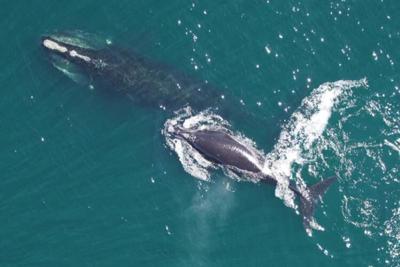


DELMARVA - The U.S. House Committee on Natural Resources, Subcommittee on Water, Wildlife and Fisheries held a hearing today on the National Oceanic and Atmospheric Administration’s (NOAA) proposed changes to the North Atlantic Right Whale Vessel Strike Reduction Rule.
Among those attending and testifying in the hearing were stakeholders from the recreational boating and fishing industry who voiced their concerns about the impact the changes would have across the Atlantic seaboard.
NOAA’s proposed changes include:
-A mandatory 10-knot (11 mph) speed restriction to include vessels 35 feet and larger (down from 65 feet).
-An expansion of the existing Seasonal Speed Zones (SSZ) to span swaths of the Atlantic Ocean, from Massachusetts to central Florida.
-A 10-knot speed restriction up to 90 miles out from shore and in some instances, for up to 7 months of the year.
The changes were proposed to further reduce the likelihood of mortalities and serious injuries to endangered right whales from vessel collisions, NOAA says.
But the changes are making waves in the recreational boating and fishing industry for the possible negative impacts they would have on businesses, jobs, and coastal recreation.
“Depending on the sea conditions, NOAA’s 11 mph speed restriction is less than optimal for most recreational boats, as operating at lower speeds can have a negative impact on visibility, the stability of the vessel, and also adversely affect crew safety,” said Chris Edmonston, vice president of government affairs for Boat Owners Association of the United States (BoatU.S.) “We encourage NOAA to work with the boating community to come up with solutions that protect both whales and boaters.”
“Recreational boaters and anglers are longtime conservationists who share the goal of protecting the North Atlantic right whale and our ocean ecosystems. We’re committed to investing in technologies that do just that. NOAA’s proposed rule would be the largest restriction of Americans’ shared access rights to public waters, would put boaters at risk on the water, and decimate tens of thousands of businesses in coastal communities along the Atlantic seaboard,” said Frank Hugelmeyer, president and CEO of the National Marine Manufacturers Association (NMMA).
NOAA has continued to push for the changes after proposing them in 2022, including the speed reductions for vessels under 65 feet.
“Vessels less than 65 feet in length account for five of the 12 documented lethal strike events in U.S. waters since the first speed rule went into effect in 2008, demonstrating the significant risk this vessel size class presents and the need to extend the speed restrictions to include smaller vessels,” the Administration said.
“The North Atlantic right whale is one of the world’s most endangered large whale species,” NOAA argues on their website. “The latest preliminary estimates suggest there are fewer than 350 remaining, with less than 100 reproductively active females. Vessel strikes, fishing gear entanglements, climate change and other threats all pose challenges to this imperiled species.”