
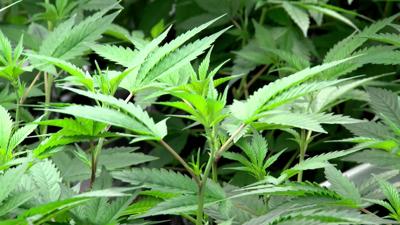


RICHMOND, Va. - Virginia Governor Abigail Spanberger and several lawmakers have announced a new agreement to establish a legal, regulated retail cannabis market in the Commonwealth.
The proposal, which lawmakers say has been years in the making, would allow recreational cannabis sales to begin on July 1, 2027. Officials say the delayed launch date will give the Virginia Cannabis Control Authority time to develop regulations, establish testing and safety standards, and create an oversight framework for the new marketplace.
Under the agreement, Virginia would issue up to 350 retail cannabis licenses and increase the legal possession limit for adults from one ounce to two ounces. The CCA would begin accepting license applications on Feb. 1, 2027.
Governor Spanberger said the proposal is designed to create a safe and well-regulated marketplace while reducing the influence of the illicit cannabis market.
“This is what good governing and collaboration look like,” Spanberger said in a statement. “We all wanted to deliver a marketplace that the Commonwealth could implement effectively for the long-term.”
Spanberger previously vetoed legislation that would have established the framework for a retail marijuana market, arguing that Virginia needed to be fully prepared to provide strong oversight at the outset of the market’s launch.
According to supporters of today’s agreement, Virginia's current system has allowed illegal cannabis sales to continue since the state legalized adult possession without creating a retail marketplace. Virginia Senator Lashrecse Aird said the compromise provides a legal alternative while strengthening consumer protections.
“Virginia legalized adult possession years ago, but without a regulated retail market, we left the illicit market to fill the gap,” Aird said. “This compromise gives us a smarter and safer path forward — one that protects consumers, keeps products tested and accurately labeled, and creates a legal marketplace that is affordable and accessible enough to actually compete.”
The legislation includes several provisions aimed at protecting children and consumers. Those measures include banning cartoon-style advertisements, requiring child-resistant packaging, and prohibiting cannabis products shaped like animals, fruits, vehicles, or people.
Retail stores would also be required to remain at least 1,000 feet away from schools, hospitals, playgrounds, and drug treatment facilities. The proposal would further authorize the CCA to impose escalating penalties on businesses that fail to verify customers' ages, including the possibility of license revocation for repeated violations.
The agreement would also transfer oversight of intoxicating hemp products from the Virginia Department of Agriculture and Consumer Services to the Cannabis Control Authority. Lawmakers say the move is intended to close what they describe as a loophole that allowed highly intoxicating THC products to be sold with limited regulation.
Additional provisions would allow the CCA to maintain a public licensee registry, operate an anonymous tip line for reporting suspected illegal activity, and investigate ownership and financial relationships among cannabis businesses. Revenue generated through cannabis sales would be directed toward early childhood and K-12 education, behavioral health and substance abuse programs, public health initiatives, and the state's Cannabis Equity Reinvestment Fund.
The proposal would establish a 6% state tax on cannabis products beginning with the launch of retail sales. That tax would increase to 8% on July 1, 2029, according to the agreement. Local governments would also have the option to impose an additional tax of between 1% and 3.5%, in addition to existing sales taxes.
The proposed agreement must still be approved through Virginia's legislative and budget process before becoming law.