


Geeta Gandbhir is the daughter of an immigrant from India. She made a name for herself when she met Spike Lee at Harvard University where she was a student, and Lee was a professor. She won the Emmy Award for Outstanding Picture Editing for Nonfiction Programming. She won for Spike Lee's When the Levees Broke: A Requiem in Four Acts (2006). She's gone on to win a total of five Emmy Awards, as well as a Peabody Award. A lot of those prizes came from her work with HBO. She also got some acclaim as director or co-director for HBO's Black and Missing (2021), which won Best Documentary by the African-American Film Critics Association. It also got the Cinema Eye Honors, the Spirit Award and the NAACP Image Award.
Gandbhir's work often focuses on the systemic racism that disproportionately affects Black people in this country. Her series Black and Missing followed a woman who was former law enforcement and who talked about how Black women have been victims, disappearing, and how the media doesn't do enough to spotlight those victims. Media attention often helps to solve those cases. It helps because it places pressure on the police to do something. That series was somewhat, if not very critical of the police. Ironically though, this film isn't that critical of the police. It actually comes across as showing the police in a positive manner, at least positive toward the Black community in question here.

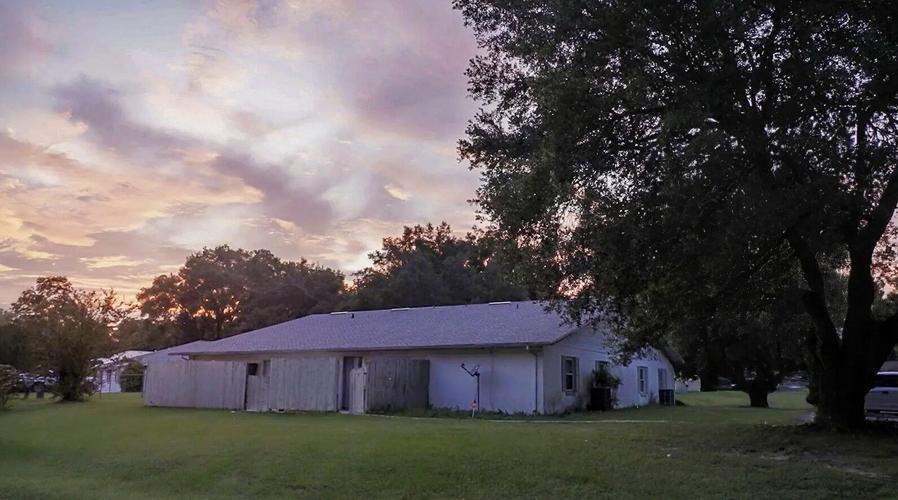
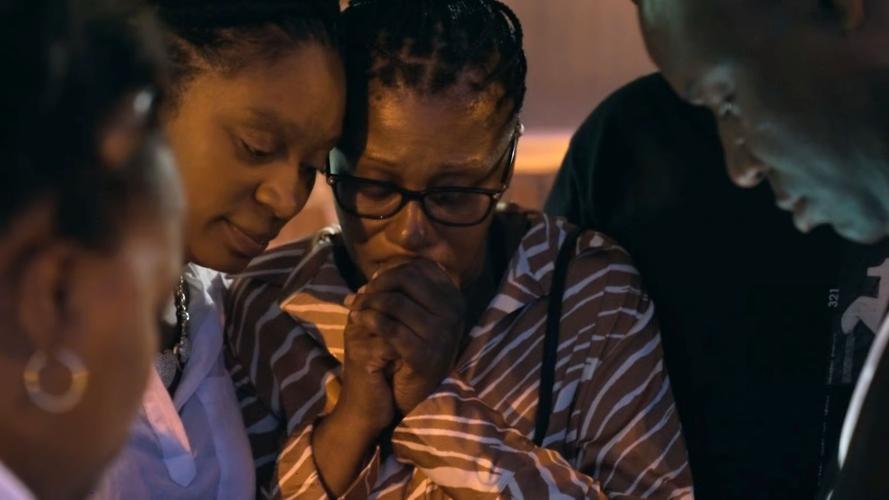
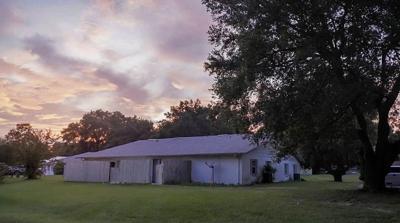
On June 2, 2023, 58-year-old Susan Louise Lorincz, a White woman, shot and killed 35-year-old Ajike Shantrell Owens, a Black woman. Owens went to the front door of Lorincz's house and Lorincz shot her through that door. This shooting took place in Ocala, Florida, which is about a hour and a half north of Orlando. This film doesn't go deep into the trial, but the news media highlighted the fact that Lorincz's defense would be to invoke Florida's "Stand-Your-Ground" law. That law became a controversial one after the shooting and killing of Trayvon Martin in 2012 in Sanford, Florida, which is only 30 minutes north of Orlando.
The killing of Trayvon Martin was mostly the reason for the creation of the Black Lives Matter Movement, or BLM, which was mostly a critique of police who shoot and kill unarmed Black people. However, the person who killed Martin wasn't a police officer but a fellow citizen who called the police on Martin, but failed to wait for the cops to arrive and ended up shooting the teenage African-American. This is basically what happened with Lorincz. She called the police, but she didn't wait for the cops to arrive. She instead shot and killed Owens almost immediately.

Spoiler alert! The person who killed Trayvon Martin wasn't convicted, but Lorincz was convicted and sentenced to prison. The question is why. Gandbhir's film doesn't compare and contrast the cases, but the person who killed Martin was in a physical altercation where the two people were in physical contact, allegedly fighting. Lorincz wasn't in a physical altercation. Owens was on the other side of a locked metal door that was windowless. Another key difference is that Martin's killer didn't have a documented history of what could be described as racism or racist animus against the victim prior to the shooting. Reportedly, Martin had never encountered his killer at all before the night he was shot and killed. That's not the case for Ajike Owens.
One fact that Gandbhir's film provides is that the Stand-Your-Ground law tends to have racist results or results that benefit White people or non-Black people more than actual African-American people. When it comes to the arguments against the law and when it comes to a non-Black person killing a Black person, the argument has to be made that the killer has some kind of racial bias. Sometimes, if not most times, that bias or racism can be difficult to prove. With this film, it's actually easy to prove.

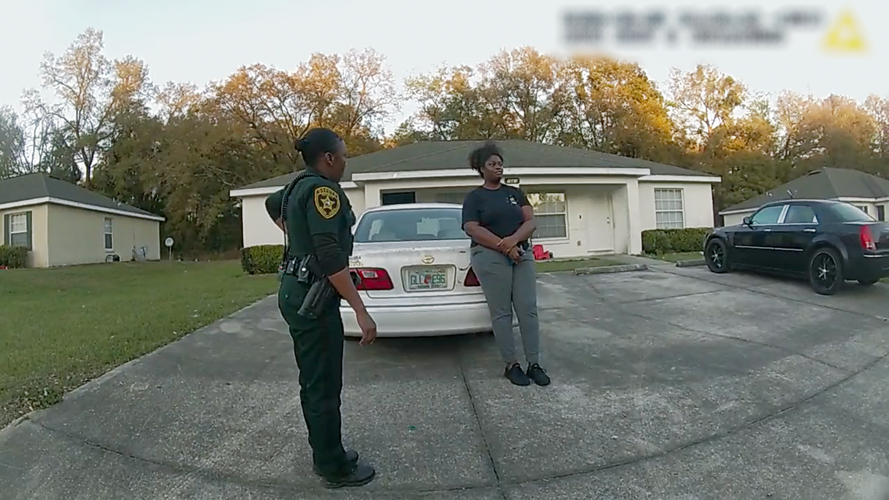
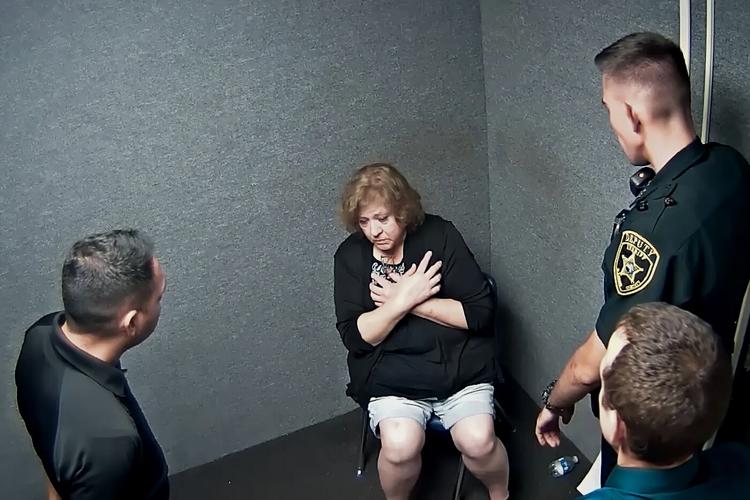
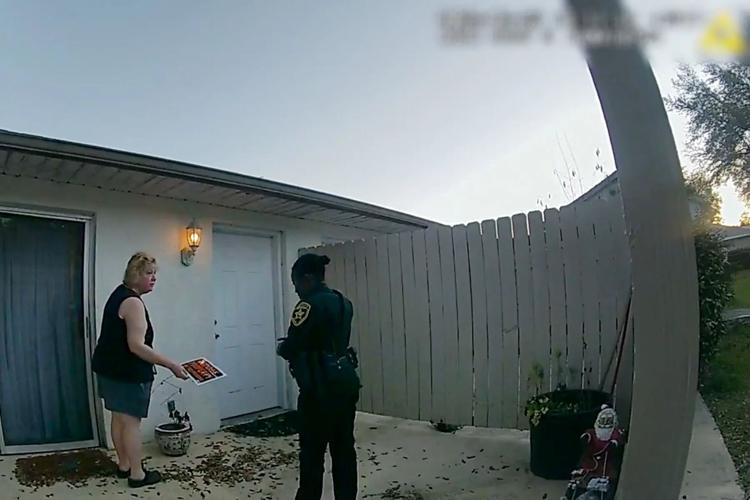
Gandbhir's film is comprised almost entirely of video provided by the police. This includes body-cam footage, dash-cam footage and even footage inside the Marion County Sheriff's Office. Obviously, the footage from June 2nd is sued and bookends the documentary, but what we learn is that there is over a year's worth of body-cam footage from which this film can draw. Why is there over a year's worth? The reason is because Lorincz herself called the police likely dozens of times to complain about Owen's children or other neighborhood children who were playing in an open field next to her house.
A lot of the footage is police officers responding to Lorincz's complaints and then talking to the Black children and their parents. Since the BLM Movement, a term was created to refer to White women who call the police to complain about Black people and Black children for things that don't warrant police. That term is "Karen," and that's what Lorincz is deemed. Lorincz is a "Karen," and the film compiles all the video evidence of her worthless or baseless complaints. The footage even confirms the responding police officers agreeing with the Black community about her inherent racism. This is why the film is practically complimentary to the police. We see them as sympathetic to the Black community, which in a lot of BLM cases is actually not the case.

Rated R for language.
Running Time: 1 hr. and 38 mins.
Available on Netflix.